Showing 145–160 of 196 resultsSorted by latest
-
£40.00
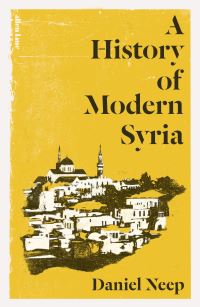
Few countries have had as vexed a political history as Syria. Carved out of the Ottoman empire at the end of the First World War, Syria was brutally ruled as a French colony, cut off by a series of new borders with equally newly created neighbours that pulled apart families, trade networks and political assumptions that had already been ravaged by the war. Syria’s subsequent history has been a series of attempts to make sense of its borders, including a failed attempt in the late 1950s to unite with Egypt and several humiliations at the hands of Israel’s armed forces. It has been a satellite of France, an ally of the USSR and, most recently, torn apart by a civil war that has now been in turn subverted by the rise of the Islamic State, an entity that refuse to acknowledge any of Syria’s existing borders.
-
£12.99
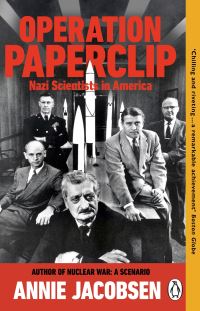
In the chaos following WWII, many of Germany’s remaining resources were divvied up among allied forces. Some of the greatest spoils were the Third Reich’s scientific minds. The United States secretly decided that the value of these former Nazis’ forbidden knowledge outweighed their crimes, and the government formed a covert organization called Operation Paperclip to allow them to work without the knowledge of the American public. In this book, Annie Jacobsen follows more than a dozen German scientists through their postwar lives and into one of the most complex, nefarious, and jealously guarded government secrets of the 20th century.
-
£12.99
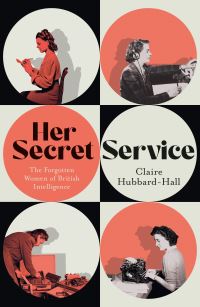
Since the inception of the Secret Service Bureau back in 1909, women have worked at the very heart of British secret intelligence – yet their contributions have been all but written out of history. Now, drawing on private and previously-classified documents, leading historian Claire Hubbard-Hall brings their gripping true stories to life. From encoding orders and decrypting enemy messages to penning propaganda and infiltrating organisations, the women of British intelligence played a pivotal role in both the First and Second World Wars. Prepare to meet the true custodians of Britain’s military secrets.
-
£10.99
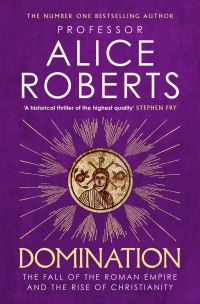
A sweeping and gripping new history of the decline of the Roman Empire and the dawn of the Catholic Church by number one bestselling author Professor Alice Roberts.Â
-
£12.95
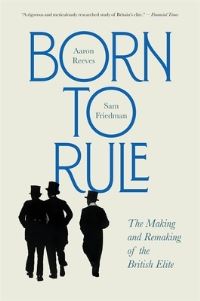
This data-rich sociological study uses everything from census figures to Who’s Who to analyze how, over 125 years, the British elite have used status, elite education, and powerful social networks to shape politics and cultural values. But what happens when elites begin to change-in what they look like, value, and how they position themselves?
-
£35.00
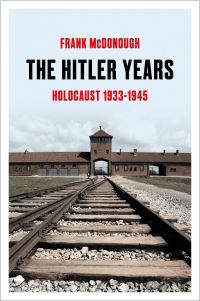
The Hitler Years: Holocaust 1933 to 1945 provides a year-by-year narrative, fully illustrated, of the road Adolf Hitler mapped out to achieve his dream – the destruction of the European Jewish population.
-
£20.00
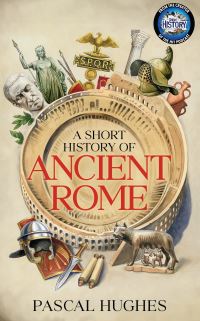
Filled with the sights, sounds, smells and characters that shaped Rome, this book brings the ancient world to life and tells you everything you need to know about this crucial period in history.
-
£27.50
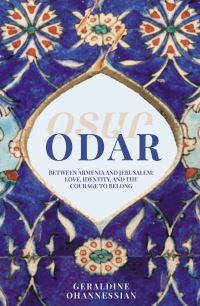
The unforgettable journey of a British woman into Armenian family life in occupied Palestine.
-
£25.00
A Times and Waterstones Book of the Year
‘A superb work of history’ JAMES HOLLAND
‘A thrilling account from a master of Second World War history’ DAN SNOW
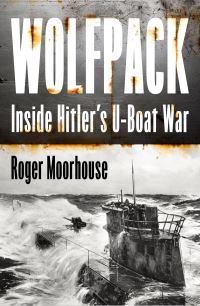
A landmark history of the U-Boat war told through the experiences and recollections of the U-Boat crews themselves.
-
£12.99
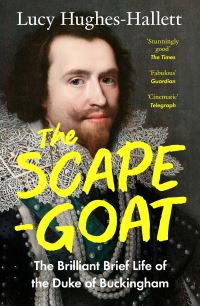
*PLUTARCH AWARD FOR THE BEST BIOGRAPHY OF 2024*
*SHORTLISTED FOR THE DUFF COOPER PRIZE*
‘SUBLIME‘ A NEW STATESMAN BOOK OF THE YEAR 2024
‘STUNNINGLY GOOD‘ THE TIMES BEST HISTORY BOOKS 2024
‘COMPULSIVE‘ A PROSPECT BOOK OF THE YEAR 2024
‘BRILLIANT’ A SPECTATOR BOOK OF THE YEAR 2024
-
£12.99
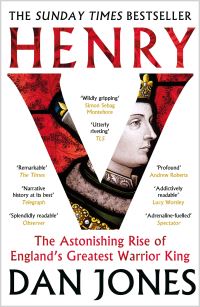
A brand-new life of England’s greatest king from our best-selling medieval historian.
-
£22.00
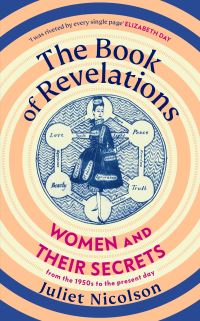
How have secrets changed over the generations, and what does that tell us about ourselves and our world? In her intimate new book, bestselling social historian Juliet Nicolson uncovers one of the most enigmatic yet revealing aspects of human behaviour. According to a leading American psychotherapist most of us are keeping 13 secrets at any one time. Secrets can thrill, but they are just as likely to torment; and the deepest ones echo far down the generations. The secrets we keep inside reflect the conventions and taboos of the world outside. As women traditionally sit at the heart of family life, their secrets can open a unique window onto wider society. ‘The Book of Revelations’ unlocks a period of significant transformation for women, from the restrictions just after WWII, through the emancipation of the 1960s and 1970s, to the opportunities and dangers women meet online today.
-
£12.99
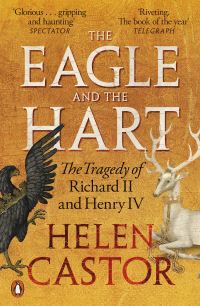
Richard of Bordeaux & Henry Bolingbroke were first cousins, born just three months apart. Their two lives were from the beginning entwined. When they were still children, Richard was crowned King Richard II with Henry at his side, carrying the sword of state: a ten-year-old lord in the service of his ten-year-old king. Yet, as the animals on their heraldic badges showed, they grew up to be opposites: Richard was the white hart, a narcissist, & Henry the eagle, a chivalric hero, a leader who inspired loyalty where Richard inspired only fear. Henry had all the qualities Richard lacked, all the qualities a sovereign needed, bar one: birth right. Increasingly threatened by his cousin, Richard became consumed by the need for total power, in a time of constant conspiracies, rebellions & reprisals. When he banished Henry into exile, the stage was set for a final confrontation, as Richard became the tyrant & Henry his usurper.
-
£20.00
A courageous way forward for the world’s most intractable conflict
-
£25.00
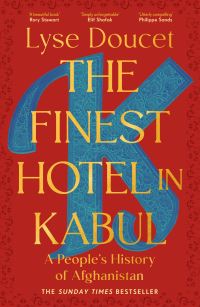
When the Inter-Continental Hotel opened in Kabul in 1969, it reflected the hopes of the country – a glistening white edifice that embodied Afghanistan’s dreams of becoming an affluent, modern power. Five decades later, and the Inter-Continental is a dilapidated, shrapnel-damaged shell. It has endured civil wars, terrorist attacks, the US occupation, and the rise, fall and rise of the Taliban. But its decaying grandeur still hints at ordinary Afghans’ hopes of stability and prosperity. Lyse Doucet, the BBC’s Chief International Correspondent, has been staying at the Inter-Continental since 1988. She has spent decades meeting its staff and guests, and listening to their stories. And now, she uses their experiences to offer an evocative history of modern Afghanistan.
-
£12.99
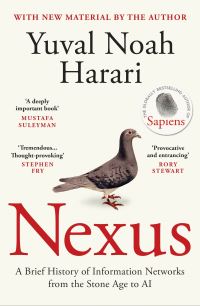
For the last 100,000 years, humans have accumulated enormous power. But despite all our discoveries, inventions and conquests, we now find ourselves in an existential crisis. The world is on the verge of ecological collapse. Misinformation abounds. And we are rushing headlong into the age of AI – a new information network that threatens to annihilate us. If we are so wise, why are we so self-destructive? ‘Nexus’ considers how the flow of information has shaped us, and our world. Taking us from the Stone Age through the Bible, early modern witch-hunts, Stalinism, Nazism and the resurgence of populism today, Yuval Noah Harari asks us to consider the complex relationship between information and truth, bureaucracy and mythology, wisdom and power. He explores how different societies and political systems have wielded information to achieve their goals, for good and ill.