Showing 33–48 of 252 resultsSorted by latest
-
£10.99
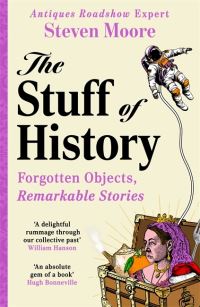
Too often history focuses on the stories of kings, those (often men) who were given the credit, yet what fascinates most are the stories of those who have passed through the cracks of history, people like: Giuliana Coen, the greatest fashion designer you’ve never heard of, the women at Playtex and how their out-of-the-box thinking and incredible skill played a major role in getting the first man on the Moon, and the tale of the unknown war hero Tommy Brown, who helped the code breakers of Bletchley with his extraordinary act of bravery. But it’s not just the people, as the book also champions the curious back stories to everyday objects – the humble fork, the china cup, and the real history of tea to name but a few. This book presents a thoughtful and often funny, curated selection of fascinating forgotten histories that give insight into some of the Western world’s most important cultural moments.
-
£25.00
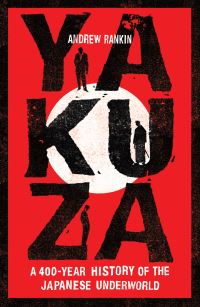
The definitive, utterly engrossing history of Japanese organized crime, from the samurai era to the present
-
£26.00
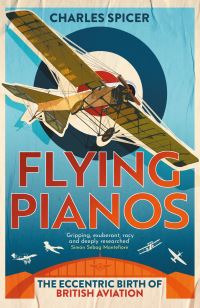
Inside the miraculous birth of British aviation
-
£10.99
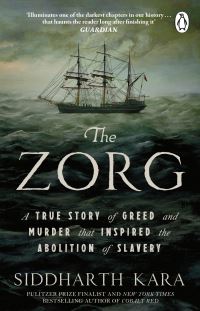
‘The Zorg’ tells the astonishing yet little-known story of one of the most consequential ships that ever crossed the Atlantic. Its fateful voyage in 1781 distils centuries of the Atlantic slave trade into a single journey which altered the course of history. By the time its journey ends, the Zorg had become the first undeniable argument against slavery. It was the one slave ship to stand for them all. New York Times bestselling author and Pulitzer Prize Finalist Siddharth Kara brings history to life in this page-turning account of The Zorg’s voyage from the high seas to the High Court that sparked the human rights campaign to end the slave trade.
-
£25.00
This work combines forensic new research with vivid and compelling narrative to provide an entirely new history of Britain that for the first time clarifies the true significance of the transatlantic trade in enslaved Africans to Britain’s development as a modern nation. Between the birth of the trade in the 16th century and its abolition in 1807, Britain derived vast wealth from the traffic in Africans from West Africa to the Americas – but until now the people who conceived, designed and engineered that trade have been largely unknown to us. As a result, it has been impossible to trace where the wealth derived from slavery went, what purposes it was put to, who it empowered and what it enabled.
-
£25.00
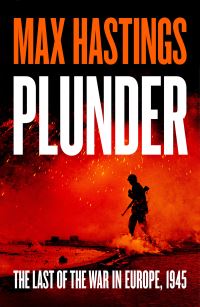
The last weeks of World War II on the Western Front in Europe witnessed extraordinary scenes of heroism, horror, melodrama and pathos.
-
£25.00
1913, the Arctic circle. Charismatic explorer Vilhjalmur Stefansson is obsessed with a frozen speck of land in the Siberian Arctic: Wrangel Island. Believing that whoever possesses it would control the future – air routes, resources, even the balance of power in the northern hemisphere, he takes an impossible gamble. Dispatching a small, ill-equipped venture to stake a frozen colony in Britain’s name, it is a triumph of brilliance, ego and breathtaking hubris. What follows is a catastrophe of starvation, madness, and geopolitical risk. As winter seals the island in ice, relief ships fail to arrive and tensions among the colonists spiral toward despair. While diplomats spar and warships steam north, the settlers are left to endure scurvy, polar bears, and the terror of abandonment. At the centre of it all stands one unlikely survivor – a young Inuit seamstress who can outlast them all.
-
£22.00
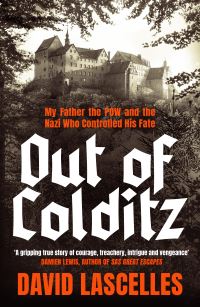
The grandson of a King. The son of the Viceroy of India. Churchill’s nephew. Held captive at the notorious Colditz prisoner of war camp, they were the Prominente: scions of the British establishment, and pawns in the hands of Nazi leaders. As a German defeat loomed, the SS head of the POW camps Gottlob Berger made a pivotal decision: he would disobey direct orders and spare their lives. ‘Please remember what I have done for you when the war ends,’ he asked. This Nazi overseer, who would later be convicted of war crimes, held their future in his hands. Eighty years later, David Lascelles – the son of George, Earl of Harewood, who would never have been born if his father had been executed – traces the Prominentes’ extraordinary journey and wonders who Gottlob Berger was and what motivated his fateful decision: compassion? Remorse? Or self-interest?
-
£24.00
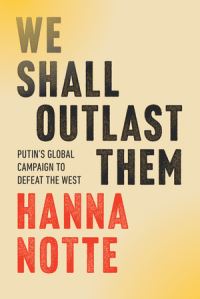
The chilling and revelatory story of how Russia’s confrontation with the West went global
-
£11.99
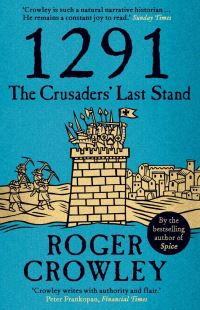
A thrilling history of the bloody climax to two centuries of crusading in the Holy Land
-
£25.00
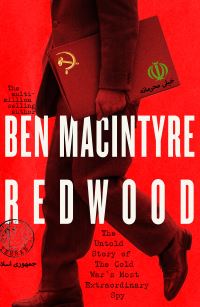
The year is 1981. Tehran is in violent turmoil in the wake of the Iranian Revolution. The Soviets are planning to overthrow the Ayatollah’s fledgling Islamist regime. If they do so, one response from America – unknown to the public – would be to use nuclear weapons. ‘Redwood’ is the story of how at the height of the Cold War, one mysterious double agent, whose intelligence reached the highest levels of British and American governments, cracked open the KGB, revealed the Kremlin’s secret plot and prevented Armageddon.’Redwood’ was the MI6 codename for this unsung, hitherto unknown hero of the Cold War, a highly-trained six-foot-four Russian intelligence officer who chose to expose the KGB’s deepest secrets, compelled to swap sides by a shaming secret of his own. Facing exposure, with both the Iranian Revolutionary Guards and his own KGB colleagues closing in, he demanded that MI6 try to smuggle him out of Iran in a high-stakes escape pla
-
£20.00
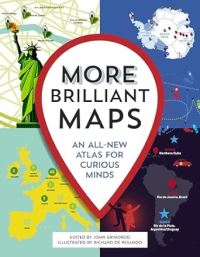
Which country doesn’t have a national football team? Where is the town with no wifi? Who travelled further on tour: Taylor Swift or Coldplay? Which are the world’s noisiest cities? How many countries are wider than the moon? Maps don’t just show us where we are, they show us how we live. They reveal unexpected connections between far-flung places, they show how history has shaped geography, and they uncover fascinating facts that will spark your curiosity. This stunning collection of 100 maps will take you on a unique visual journey through history, geography, identity sport, the arts, technology, space, and more. If you have ever wondered how many dinosaurs would fit the length of Vatican city, where to go diving for shipwrecked treasure, or which country imports the most ketchup, this is the book for you.
-
£9.99
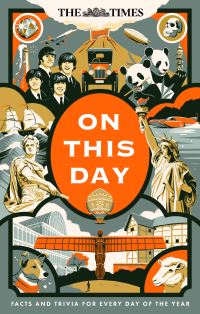
Did you know that the world’s first boxing match was arranged by the Duke of Albemarle between his butler and his butcher? Or that Niagara Falls once ran completely dry? That the World Cup was stolen and later found by a dog called Pickles?
-
£25.00
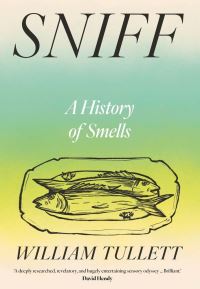
A remarkable account of the weird and wonderful history of smellAcross vast periods of time and around the globe, smell has been central to human life. From the incense burned in medieval religious rituals to the use of modern sniffer dogs, smells have been central to our sense of identity, our ability to build communities, and, perhaps less positively, to mark those deemed unwelcome within them. Our sense of smell brings us the pleasure of good food, wine, and perfume, but it also warns us of dangerous fire, gas, and rot.What did the past smell like? Why does our own world smell the way it does?Moving through key locations, from libraries to forests, churches to hospitals, Will Tullett explores the peculiar history of smell. We smell witchcraft and murder, fin de siècle Parisian theatres, and cinemas in 1960s New York. What emerges is not just a history of smells, but biographies of the many noses that have sniffed them.
-
£20.00
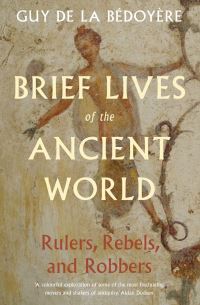
A fascinating window into the history of the ancient world, told through thirty-five fascinating figures
-
£11.99
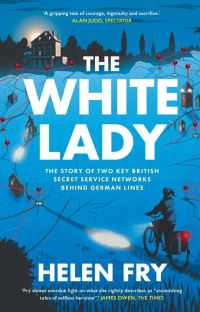
A major new history of the two most important British secret service networks in the First and Second World Wars. Drawing on recently declassified information, Fry examines who the agents were, how they were recruited, and how the intelligence they gathered directly impacted the outcome of both wars. Operators in the field sent over 800 radio messages to London and delivered more than 1000 reports, including groundbreaking information on Hitler’s secret weapon the V-1. This is a compelling account of the agents who risked their lives and found ingenious ways to smuggle intelligence out of occupied Belgium.