Showing 81–96 of 195 resultsSorted by latest
-
£25.00
Written while the organisation he directs, Forensic Architecture, works to produce evidence for the International Court of Justice’s genocide case against Israel, Weizman explores the larger geographical and historical context, from the displacement of the Nakba in 1948 to the present day. He shows how architectural and territorial analysis is key to understanding the relationship between the coloniser and the colonised. The book is an extraordinary and eye-opening journey through the ‘deep cartography’ of the area extending from Gaza’s subterranean tunnels through to its militarised topography, settlements and barriers. Territory is never a neutral backdrop nor the location within which a colonisation takes place. Instead, it is a mechanism by which colonisation is undertaken and key to understanding how Israel’s attack on Gaza in the wake of 7 October has escalated into violence so extreme as to, Weizman argues, meet the definition of
-
£20.00
From the pre-eminent historian of WWII, an impassioned appreciation of the unprecedented postwar decision by the United States to aid its enemies as well as its allies via the Marshall Plan, leading to eight decades of peace and shared prosperity, which are being upended in today’s political environment.
-
£12.99
How have secrets changed over the generations, and what does that tell us about ourselves and our world? In her intimate new book, bestselling social historian Juliet Nicolson uncovers one of the most enigmatic yet revealing aspects of human behaviour. According to a leading American psychotherapist most of us are keeping 13 secrets at any one time. Secrets can thrill, but they are just as likely to torment; and the deepest ones echo far down the generations. The secrets we keep inside reflect the conventions and taboos of the world outside. As women traditionally sit at the heart of family life, their secrets can open a unique window onto wider society. The book unlocks a period of significant transformation for women, from the restrictions just after WWII, through the emancipation of the 1960s and 1970s, to the opportunities and dangers women meet online today.
-
£10.99
From the Italian Alps to northern Germany, to London, New York Washington and Tokyo, ‘Victory ’45’ tells the story of the extraordinary summer when the greatest conflagration the world had ever known finally came to an end after six surrenders that heralded the Allied victory. Comprised of eight chapters based around each of those surrenders and the victory celebrations which followed, it is rich in character and human drama with revealing stories and perspectives behind the end of the war not yet told before. Each chapter follows the viewpoints of a number of key characters as they traverse these world-changing events – from ordinary servicemen and women and civilians to generals and political leaders.
-
£10.99
THE SUNDAY TIMES BESTSELLER
A Times and Waterstones Book of the Year
‘The messy, dirty, bloody reality of Operation Overlord comes alive in Sword, Hastings’s portrait of the individual soldiers who risked their lives on the beaches of Normandy. He brings these men to life with sensitivity and beautiful prose' THE TIMES
-
£10.99
A groundbreaking new perspective on catastrophes throughout human history, with vital lessons for our future
-
£22.00
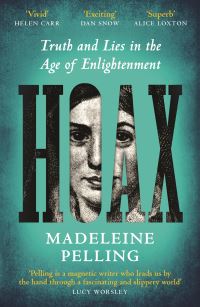
The discoveries of the Enlightenment unsettled as much as they excited. New truths challenged longstanding beliefs. Rationalism jarred with superstition. Which voices would be heard in this ferocious battle for certainty? From the chaos, three women and their hoaxes rose as symbols of terror and fascination. But were the lies surrounding Fanny Lynes, Mary Bateman and Mary Willcocks entirely of their own making? Why were the public transfixed? Questioning culpability and complicity, Pelling’s engrossing history of this great age of the hoax reveals a veiled world of moral panic, tall tales and true crime, and holds a mirror to our own turbulent relationship with truth.
-
£22.00
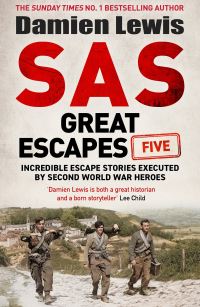
In the spirit of previous volumes, Damien Lewis reveals the untold stories of the war’s most daring and audacious escapes as executed by the world’s most famous fighting force, the SAS. Reaching back into the earliest origins of the SAS legend, and Operation Colossus, the volume opens with a series of death-defying escapes in Italy, where bluff, deception and audacity win the day. It moves on to an epic solo escape across the sun-blasted Sahara desert, as one man, long given up for dead, achieves the seemingly impossible. It goes on to chronicle one of the most successful raids by the SAS deep behind enemy lines, and how a terribly injured veteran of that mission used the secret escape lines of the Vatican to make it back to Allied lines, in a tale replete with cloak-and-dagger intrigue.
-
£12.99
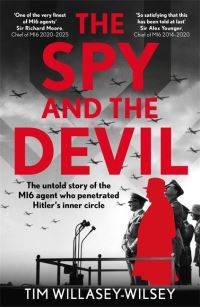
This is the forgotten tale of MI6’s top spy in Nazi Germany and his bid to stop the Second World War. In the world of espionage, where the accounts of renowned spies often dominate the narrative, this is a rare gem – an untold story of a completely unknown spy. Baron William de Ropp, a Baltic German aristocrat, wasn’t just any ordinary spy; he was MI6’s top-secret agent in Nazi Germany from 1931 to 1939, managing to escape Berlin just before war broke out. This unsung hero had direct access to Adolf Hitler and an inside track on the Nazi regime. His reports, shrouded in secrecy, had the power to shape British policy toward Germany in a pivotal period of history. ‘The Spy and the Devil’ is a riveting tale of espionage, intrigue, and the untold impact of one man’s secret mission on the course of history.
-
£12.99
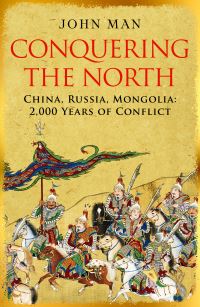
A panoramic history of the roots of China and Mongolia’s historic rivalry… and why it matters now.
-
£22.00
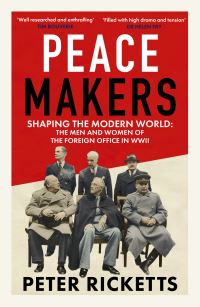
Combining vivid storytelling with fresh research, Peace Makers explores how Britain’s diplomats played a vital and unsung part in victory in WWII while also laying the foundations for post-war peace, and how the war transformed the Foreign Office, sweeping away the barriers which had kept women out of top jobs.
-
£12.99
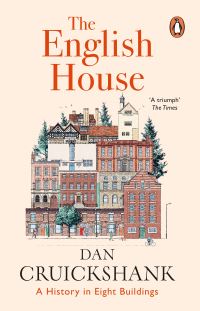
This is the story of the superbly elegant early 18th-century Pallant House in Chichester. It’s the story of 19 Princelet Street in Spitafields, built for a Huguenot silk-weaver, ultimately a synagogue. It’s also the story of – among others – a row of two-up, two-downs in Toxteth, a block of flats in London’s East End, and what Ideal Home’s magazine described in 1926 as Britain’s ‘first modern house’ – in Northampton. Together these buildings reveal the ways in which English homes have developed and changed over the past few centuries. At the same time, as Dan Cruickshank shows, they have much to tell us about the lives of their first occupants: their aspirations, their struggles, their place within society and relationship with their local community. ‘The English House’ blends architectural and social history to create a series of brilliantly observed portraits of fascinating buildings.
-
£25.00
The Weimar Republic was Germany’s postwar experiment with democracy, and a time of unprecedented cultural, intellectual and artistic freedom. Berlin was at the cutting edge of quantum physics and psychoanalysis; its nightlife showcased grand opera and dissolute cabaret. Bauhaus architecture and modernist painting flourished, and it rivalled Hollywood as a capital of film. But beneath the glamour was a deeply polarised society of extremes plagued by economic disasters, populist leaders fuelling culture wars, and an uneasy political settlement that would soon spawn the horrors of Nazism. Covering 15 years from the end of the First World War to Hitler’s appointment as Chancellor in 1933, this book tells the definitive story of Germany’s interwar republic and descent into fascism.
-
£10.99
It is a truth universally acknowledged that the rich and powerful always look after their own and the working people are always revolting. But every now and again, a new group actually manages to seize power, and it changes history. Terry Deary takes readers on a hilarious and eye-opening journey through some of the most significant revolts and uprisings that have happened around the world. From the peasants to the slaves, the suffragettes to the civil rights activists, this book celebrates the resilience and determination of those who dared to challenge the status quo.
-
£30.00
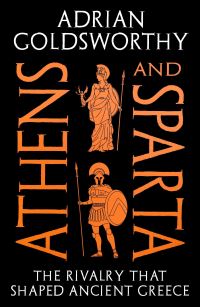
A dramatic exploration of two opposing cities, examining the politics, war and extremes of human behaviour in the ancient world.
-
£22.00
We all know how the people of Pompeii died. But what about how they lived?
__________