Showing 177–192 of 258 resultsSorted by latest
-
£25.00
In 410 CE, Roman rule of Britain collapsed, bringing a centuries-long occupation to an end. A century later, Britain was dividing into two areas with contrasting cultures, an expansive ‘Anglo-Saxon’ south and east, and a shrinking Celtic west and north. How did this transition happen? And why did the customs of the Germanic incomers prevail in England, unlike elsewhere in Europe? In this deeply researched account, Nicholas J. Higham addresses these difficult questions head on. Higham draws on archaeological evidence and contemporary literature, including the writings of Gildas, to reconsider the accepted narrative.
-
£12.99
Lambert argues for a dynamic new understanding of the 19th century, showing how British policymakers shaped a stable European system that it could balance from offshore. Through judicious deployment of naval power against continental forces, and the defence strategy of statesmen such as the Duke of Wellington, Britain ensured that no single European state could rise to pose a threat, rebuilt its economy, and established naval and trade dominance across the globe. This is the remarkable story of how Britain kept a whole continent in check – until the final collapse of this delicately balanced order at the outset of World War One.
-
£30.00
How should we deal with nuclear weapons? The discovery of nuclear fission fundamentally changed the world order. Its power was harnessed, nuclear bombs invented, and the cities of Hiroshima and Nagasaki were destroyed. In recurring international crises and calls for arms control, the threat of nuclear war has hung over humanity ever since. David Holloway traces how these weapons shaped the last century, from the US-Soviet arms race to the rivalry between India and Pakistan. Deterrence and intimidation, alliances and war plans, international treaties and organizations have all played their role. At the centre were political leaders – among them Truman, Kennedy, and Reagan, as well as Stalin, Khrushchev, and Gorbachev – who all had their fingers on the nuclear button.
-
£12.99
What was it like to live on the edges of ancient empires, at the boundaries of the known world? In this bold revisionist history of the ancient world, Owen Rees shifts our focus from the centres of Greece and Rome to the lively, long-ignored societies on the borders.
-
£25.00
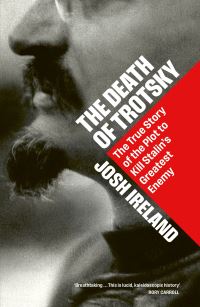
In August 1940, a man walked into Leon Trotsky’s study in Mexico City and drove an ice pick into his skull. The killer? Ramon Mercader – an aristocratic Spaniard turned Soviet assassin. The mastermind? Joseph Stalin. But this was no simple hit. It was the climax of a decade-long global hunt: a story of seduction and betrayal, of fake identities and secret loyalties, of idealists and fanatics, lovers and spies. While Trotsky raged in exile – still clinging to his revolutionary dream – Stalin’s agents closed in. And at the heart of it all was Mercader: a man trained to lie, charm and ultimately to kill.
-
£12.99
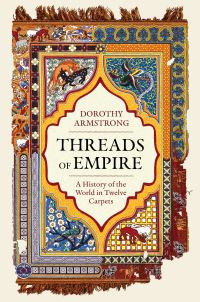
Beautiful, sensuous and enigmatic, great carpets follow power Emperors, shahs, sultans and samurai crave them as symbols of earthly domination. Shamans and priests desire them to evoke the spiritual realm. The world’s 1% hunger after them as displays of extreme status. And yet these seductive objects are made by poor and illiterate weavers, using the most basic materials and crafts; hedgerow plants for dyes, fibres from domestic animals, and the millennia-old skills of interweaving warps, wefts and knots. In this book, Dorothy Armstrong tells the histories of some of the world’s most fascinating carpets, exploring how these textiles came into being then were transformed as they moved across geography and time in the slipstream of the great.
-
£20.00
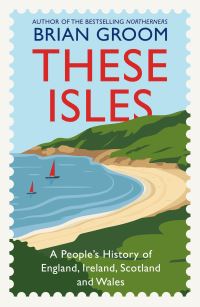
An inventive new look at the entwined histories of Britain and Ireland’s nations – and the people who have called them home.
-
£25.00
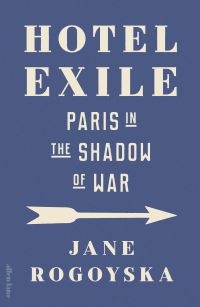
The Hotel Lutetia is a Paris institution, the only ‘grand’ hotel on the city’s bohemian Left Bank. Ever since it opened, it has served as a meeting place for artists, musicians and politicians. Andre Gide took his lunch here, James Joyce lived in one of its rooms, Picasso and Matisse were regular guests. It has a darker history, too. During one short period, it became a focus for some of the most dramatic and terrible events in recent history. In the 1930s the Hotel Lutetia attracted intellectuals and political activists, forced to flee their homes when Hitler came to power, who met here with the hope of forming an alternative government. But when war came, Paris was occupied, and the hotel became the headquarters of the German military intelligence service – and the centre of their operation to root out enemies of the Reich.
-
£22.00
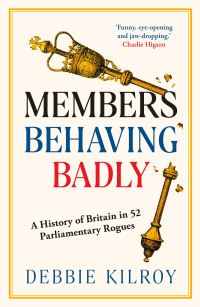
Members Behaving Badly: A History of Britain in 52 Parliamentary RoguesÂ
-
£12.99
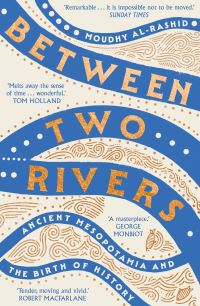
In ancient times, the vast area that stretches across what is now modern-day Iraq and Syria saw the rise and fall of epic civilizations who built the foundations of our world today. It was in this region, which we call Mesopotamia, that history was written down for the very first time. With startling modernity, the people of Mesopotamia left behind hundreds of thousands of fragments of their everyday lives. Immortalised in clay and stone are intimate details from 4000 years ago. We find accounts of an enslaved person negotiating their freedom, a dog’s paw prints as it accidentally stepped into fresh clay, a parent desperately trying to soothe a baby with a lullaby, and countless receipts for beer. Historian Dr Moudhy Al-Rashid examines what these people chose to preserve in their own words about their lives, creating the first historical records and allowing us to brush hands with them thousands of years later.
-
£12.99
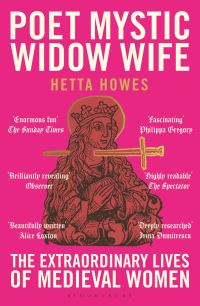
A spectacular, vivid, groundbreaking work of history which takes us into the mind and lives of medieval women.
-
£25.00
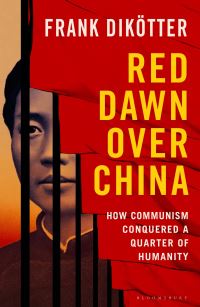
From renowned, prize-winning historian Frank Dikötter – ‘the historian of China’ (Spectator) – a commanding new history of China’s path to Communism, brought to the people at the barrel of a gun
-
£12.99
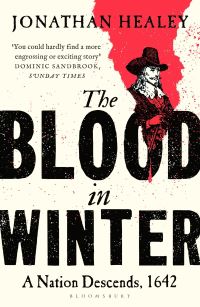
A thrilling political history about the months that brought England to the cusp of civil war, from the acclaimed author of The Blazing World
-
£12.99
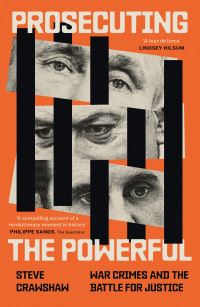
Could we ever see Vladimir Putin in the dock for his crimes? What about a Western ally like Benjamin Netanyahu? Putting a country’s leader on trial once seemed unimaginable. But as Steve Crawshaw describes in ‘Prosecuting the Powerful’ – a blend of powerful eyewitness reporting and gripping history – the possibilities of justice have been transformed. Crawshaw includes recent stories from the front lines of justice in Ukraine, Israel/Palestine and at The Hague, as well as his earlier encounters with war criminals like Slobodan Milosevic.
-
£45.00
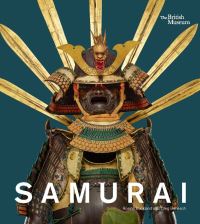
The word ‘samurai’ stands for ideals of courage, honour, self-sacrifice and loyalty. Yet much of the common understanding is imaginative fiction. This book explores the concept from medieval reality, through early modern changes, to today’s hugely varied popular culture, challenging preconceptions and exploding myths.
-
£25.00
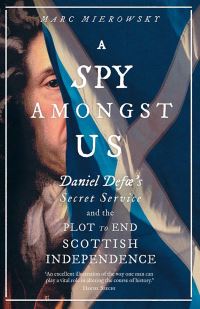
The true story of Daniel Defoe and the dirty tricks which helped bring Scotland into union with England. In 1706, Edinburgh was on the brink of a popular uprising. Men and women took to the streets to protest the planned union with England, fearing the end of Scottish sovereignty. But unbeknownst to the mob, a spy was in their midst – the English writer Daniel Defoe, now bankrupt and thrice pilloried, had turned a government agent. Marc Mierowsky tells the dramatic story of Defoe and his fellow spies as they sabotaged the Scottish independence movement from the inside. Together they disseminated propaganda and built a network of operatives from London to the upper Highlands, providing the English government with up-to-the-minute intelligence and monitoring its adversaries’ every move.