
 Down and Out in Paris and London
  Wes Anderson Collection
  Tintin The Blue Lotus
  Why We Sleep
  Shantaram
  Mrs Bridge
  Fifty Places Play Golf Before You Die XC
  Quick Roasting Tin
  When Breath Becomes Air
  Wilding: The Return of Nature to a British Farm
  London's Great Railway Stations
  The Silk Roads: A New History of the World
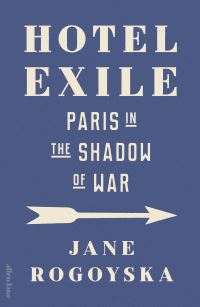
Hotel Exile
£25.00
The Hotel Lutetia is a Paris institution, the only ‘grand’ hotel on the city’s bohemian Left Bank. Ever since it opened, it has served as a meeting place for artists, musicians and politicians. Andre Gide took his lunch here, James Joyce lived in one of its rooms, Picasso and Matisse were regular guests. It has a darker history, too. During one short period, it became a focus for some of the most dramatic and terrible events in recent history. In the 1930s the Hotel Lutetia attracted intellectuals and political activists, forced to flee their homes when Hitler came to power, who met here with the hope of forming an alternative government. But when war came, Paris was occupied, and the hotel became the headquarters of the German military intelligence service – and the centre of their operation to root out enemies of the Reich.
In stock
LONGLISTED FOR THE WOMEN’S PRIZE FOR NONFICTION
A FOYLES TOP TEN READ FOR FEBRUARY | A 2026 HIGHLIGHT IN THE FINANCIAL TIMES, EVENING STANDARD AND THE BOOKSELLER
A meeting place for Europe’s bohemian artists. A headquarters of the Nazi occupation. A shelter for camp survivors.
This is the true story of how one Paris hotel came to hold the weight of a century.
The Hotel Lutetia is a Paris institution, the only ‘grand’ hotel on the city’s bohemian Left Bank. Ever since it opened, it has served as a meeting place for artists, musicians and politicians. André Gide took his lunch here, James Joyce lived in one of its rooms, Picasso and Matisse were regular guests. It has a darker history, too. During one short period, it became a focus for some of the most dramatic and terrible events in recent history.
In the 1930s the Hotel Lutetia attracted intellectuals and political activists, forced to flee their homes when Hitler came to power, who met here with the hope of forming an alternative government. But when war came, Paris was occupied, and the hotel became the headquarters of the German military intelligence service – and the centre of their operation to root out enemies of the Reich. In 1945, the Lutetia was requisitioned once more, this time transformed into a reception centre for deportees returning from concentration camps.
Hotel Exile is about what happens on the edges of a war. At its heart are three groups of people connected to a place, to one another, and to the dark ideology which dictates the course of their lives. A masterpiece of empathy and concision, Jane Rogoyska’s extraordinary new book offers us a vision of individual human beings desperately trying to find a path through some of the twentieth century’s most devastating events.
| Weight | 0.57 kg |
|---|---|
| Dimensions | 24.2 × 16.5 × 3.5 cm |
| Author | |
| Publisher | |
| Imprint | |
| Cover | Hardback |
| Pages | 368 |
| Language | English |
| Edition | |
| Dewey | 647.940944361 (edition:23) |
| Readership | General – Trade / Code: K |