Showing 1–16 of 70 resultsSorted by latest
-
£25.00
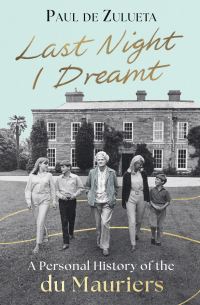
Born into a famous artistic dynasty, Daphne grew up in an atmosphere of carefree privilege. At a time when girls of her class were not expected to have a career, she defied convention and moved to Cornwall to pursue her ambition to become a writer. There, over six decades, she dreamt up the stories that have sold tens of millions of copies worldwide and still haunt our cultural imagination, including Rebecca, Jamaica Inn and ‘The Birds’. ‘Last Night I Dreamt’ explores how the turbulence and contradictions of Daphne’s own life – spanning war, affairs, a marriage to a renowned but damaged general, and unrequited love – inspired her writing.
-
£11.99
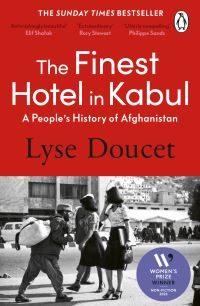
In 1969, the luxury Hotel Inter-Continental Kabul opened its doors: a glistening white box, high on a hill, that reflected Afghanistan’s hopes of becoming a modern country, connected to the world. Lyse Doucet first checked into the Inter-Continental on Christmas Eve 1988. In the decades since, she has witnessed a Soviet evacuation, a devastating civil war, the US invasion, and the rise, fall and rise of the Taliban, all from within its increasingly battered walls. The Inter-Con has never closed its doors. Now, she weaves together the experiences of the Afghans who have kept the hotel running to craft a richly immersive history of their country. It is the story of Hazrat, the septuagenarian housekeeper who still holds fast to his Inter-Continental training from the hotel’s 1970s glory days – an era of haute cuisine and high fashion, when Afghanistan was a kingdom and Kabul was the ‘Paris of Central Asia’.
-
£14.99
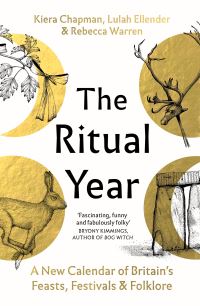
In this revelatory and beautifully illustrated guide to a living tradition of rites and rituals, we journey through some of the gatherings that shape our year, challenge our understanding of the past, and give pattern and meaning to communities across Britain today.
-
£22.00
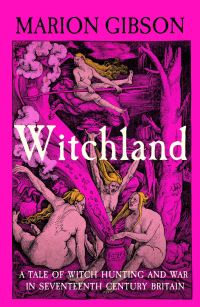
A completely new history of the country’s biggest witch hunt, written by Witchcraft author and Renaissance and Magical Literatures professor Marion Gibson.
-
£30.00
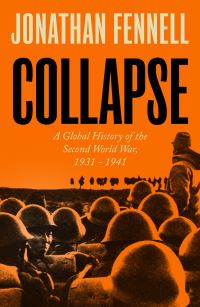
Between 1931 and 1949, a series of crises broke out that threatened collective security, world order and the internal cohesion of states across the globe. At the heart of these crises was a world war that shook the foundations of global power, a watershed moment in the history of the 20th Century. ‘Collapse’ is the first volume of an authoritative trilogy that tells the story of the Second World War through this international lens, covering theatres of war in multiple continents and analysing worldwide trends. Through new sources in 14 languages and from over 50 archives across the world, Professor Jonathan Fennell examines the first part of this ‘long war’, from 1931-1942, and explores what it really meant to live through this violent time. Using an innovative approach which explores the personal alongside the political, the global alongside the local, he shows how a world that many considered civilised collapsed into barbarity.
-
£22.00
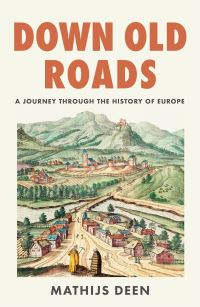
For a million years people have been travelling throughout Europe, from the mysterious homo antecessor who left his footprints on the coast of England to travellers on the motorways of today. Under every footstep lies an older one, under every paved road a donkey trail or wagon rut, under every footpath the prints of a hunter or his prey. And yet the long, nation-spanning roads of Europe don’t hold a special place in the imaginations and identities of its residents. No classic songs have been written about the E8, the way Americans have written about Route 66. Are Europeans too attached to their own home patch? Or have they too often seen armies marching towards them along those roads? Eager to answer that question, Mathijs Deen goes in search of the warriors, refugees, bandits, pilgrims, fortune-seekers, conquerors and racers who advanced into history along the roads of Europe.
-
£25.00
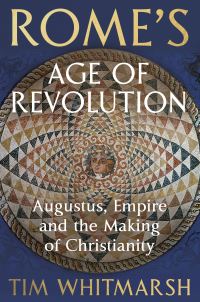
How did Christianity, starting out as a minor offshoot of Judaism, grow into an international faith that shaped the world as we know it? ‘Rome’s Age of Revolution’ corrects the triumphalist narrative that the Christian message was so persuasive, and indeed superior, that people converted in huge numbers, abandoning their pagan beliefs, thereby turning a small persecuted sect into the state religion of the Roman Empire. Tim Whitmarsh shows that Christianity would never have succeeded if it had not taken advantage of the infrastructure and culture of the Roman Empire; in turn the new religion was indelibly shaped and transformed by Roman beliefs and ideas, especially those circulating in the Greek-speaking, or Hellenistic, eastern parts of the empire. This radical transformation, Tim argues, can only be described as a revolution. The consequences are with us to this day.
-
£9.99
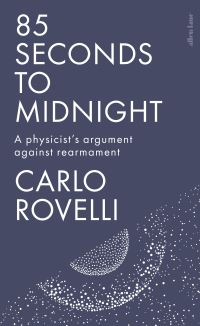
The world is re-arming and embroiled in endless conflict. The Doomsday Clock has now been set to 85 seconds to midnight, with the risk of nuclear war the highest it has ever been. Why do we always fail to learn from the past? In this urgent book, physicist Carlo Rovelli reframes the history of nuclear weapons: from how the atomic bomb was born to why Germany didn’t build it and why the US used it, to the narrowly averted disasters of the Cold War and the political brinkmanship careering out of control today. As he grapples with the legacy of his scientific forebears, Rovelli spotlights the true nature of the decisions being made by leaders around the world today.
-
£20.00
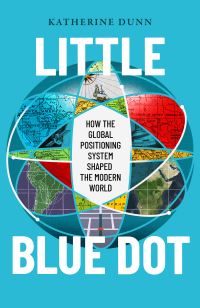
In this thrilling and utterly unique work of narrative non-fiction, Katherine Dunn explores the acute vulnerability of the GPS satellite system – in a book that lifts the lid on the invisible connections of the globe, from the space race to the phone in our pockets
-
£16.99
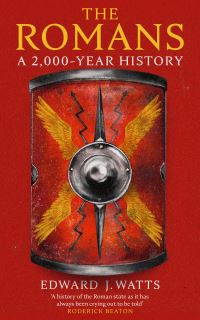
The greatest empire in Western history – told as never been told before. Rome is often remembered for its spectacular collapse. But for over two thousand years – through civil wars, plagues, invasions, and religious upheaval – the Roman state survived, adapted, and reinvented itself. From a muddy settlement on the banks of the Tiber to the glittering court of Constantinople, this is the untold story of a civilisation that endured. Acclaimed historian Edward J. Watts tells a truly complete history of Rome in all its epic sweep: the Punic Wars, the fall of the republic, the coming of Christianity, Alaric’s sack of Rome, the rise of Islam and the onslaught of the Crusaders who would bring about the empire’s end.
-
£12.99
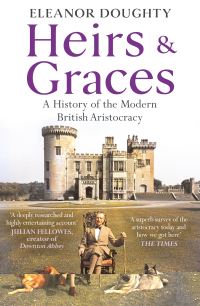
There are fewer than 5000 people who can genuinely claim to be members of the British aristocracy, and yet they loom large in the popular consciousness. We’re fascinated by their houses and estates, their lives and loves, their foibles and eccentricities. And we entertain the strong suspicion that, while they may be fellow citizens, they are very far from being people like us. In this book, Eleanor Doughty draws on her unparalleled access to a bewildering range of dukes, duchesses, earls and others to create a vivid picture of who they are and how they tick.
-
£12.99
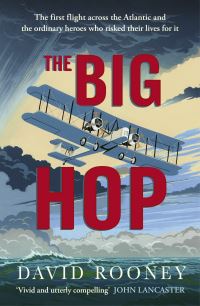
Newfoundland, 1919. Buffeted by winds, an unwieldy aircraft – made mainly from wood and stiff linen – struggled to take off from the North American island’s rocky slopes. Cramped side by side in its open cockpit were two men, freezing cold and barely able to move but resolute. They had a dream: to be the first in human history to fly, non-stop, across the Atlantic Ocean. But there were three other teams competing against them, and as the waves raged a few miles below, memories of wartime crashes resurfaced. Mining letters, diaries and evocative unpublished photographs, David Rooney’s deeply researched account of the audacious contest shows how it was the airmen’s thrilling wartime experiences that ultimately led them to the ‘Big Hop’, and brought old friends together for one more daring adventure.
-
£12.99
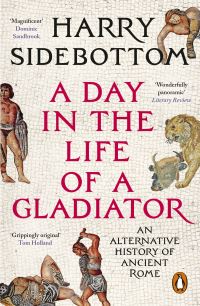
Dressed in armour and clutching a bloody sword, the Roman gladiator is the most iconic figure of the ancient world. Both fascinating and repulsive to us now, he was in his own time a deeply controversial character, by turns hated and idealized – and always at the heart of Roman culture. But what did he really mean to the Romans? What did they see in the gladiator and the spectacle of the games? And what does he reveal to us today about the Roman way of life? Brilliantly written and meticulously researched, this book tells the stories of the gladiators and those who observed them – from grand emperors to lowly slaves – illuminating and analysing the all-consuming passion of the Roman Empire for the spectacle of mortal combat. In doing so, it reveals Roman ideas about everything from freedom and servitude to sex and desire, from courage and cowardice to death and the afterlife.
-
£12.99
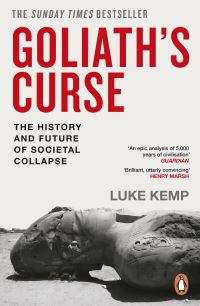
A new history of humanity told through the lens of collapse from Neanderthals to AI, and what it means for our uncertain future.
-
£25.00
Stories about royal women form some of our most foundational myths about femininity, and yet their legacies have been almost entirely constructed by the words and images of men. Kate Williams leads us deep into the world of queens, empresses, princesses, mistresses and ladies-in-waiting, uncovering how their ambitions were shaped, celebrated and often thwarted.