Showing 25–36 of 93 resultsSorted by latest
-
£10.99
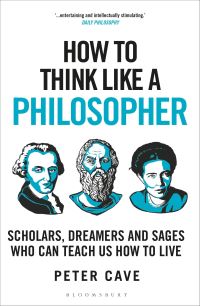
In showing how the great philosophers of human history lived and thought – and what they thought about – the popular philosopher Peter Cave provides an accessible and enjoyable introduction to thinking philosophically and how it can change our everyday lives. As well as displaying optimists and pessimists, believers and non-believers, the book displays relevance to current affairs, from free speech to abortion to the treatment of animals to our leaders’ moral character. In each brief chapter, Cave brings to life these often prescient, always compelling philosophical thinkers, showing how their ways of approaching the world grew out of their own lives and times and how we may make valuable use of their insights today. Now, more than ever, we need to understand how to live, and how to understand the world around us. This is the perfect guide.
-
£14.99
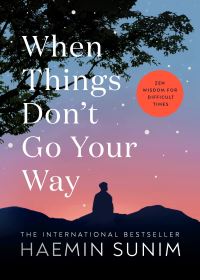
What if moments of great difficulty are, in fact, opportunities for growth and self-discovery? What if they can serve as stepping stones to greater things in life? Modern life doesn’t always go our way. Loss, rejection, uncertainty, and loneliness are unavoidable parts of the human experience – but there is solace to be found. In ‘When Things Don’t Go Your Way’, Zen Buddhist teacher Haemin Sunim provides simple but powerful wisdom for navigating life’s challenges. Through his trademark combination of illustrations, insightful stories, and contemplative aphorisms, Sunim helps us reframe our mindsets and develop emotional agility.
-
£25.00
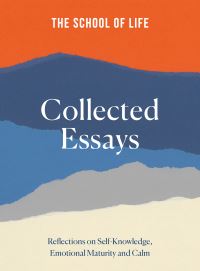
The School of Life is an organisation with a focused mission at its heart: to help foster calm, self-understanding and greater emotional maturity. Over 15 years, we have produced landmark essays on key topics, now gathered together for the first time.
-
£7.99
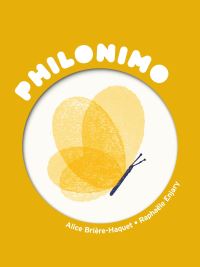
The Pocket Philosophy series introduces readers of all ages to the biggest names in philosophy. Zhuangzi’s story of the dreaming philosopher and the butterfly is meant to challenge us to think about one big question: how do we really know what’s real?
-
£7.99
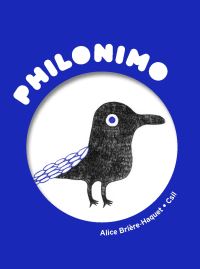
The Pocket Philosophy series introduces readers of all ages to the biggest names in philosophy. Epictetus is reminding us to focus only on what we can control – our own actions – and not spend time worrying about what we can’t control.
-
£7.99
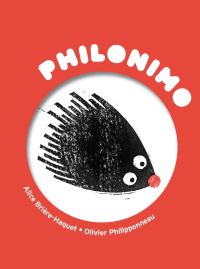
The Pocket Philosophy series introduces readers of all ages to the biggest names in philosophy. The porcupine dilemma is a metaphor about the challenges of human intimacy. Schopenhauer believed that, despite our good intentions, human intimacy cannot occur without substantial harm.
-
£7.99
The Pocket Philosophy series introduces readers of all ages to the biggest names in philosophy. In this story, Heidegger is exploring the relationship between ‘beings’ and their environments. How much does each – the rock, the lizard and the human – understand of the world around them?
-
£18.99
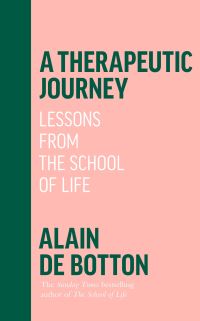
This is a text about getting unwell. About losing direction and hope. About imagining that we have let ourselves and everyone down. But it is also a book about getting better. About regaining the thread, rediscovering meaning and finding a way back to connection and joy. Here, Alain de Botton follows the arc of a mental health journey, from crisis to recuperation; the moments we realize we cannot cope; the acts of selfcare or therapy in which we find respite; and the days we finally reclaim a sense of stability. Written with understanding and kindness, it is both a source of companionship in our loneliest moments – whether it’s a relationship breakdown, a career setback or anxiety around the everyday – and a practical guide that will help us find reasons for hope.
-
£12.99
How to Be Perfect meets The Daily Stoic in this witty, entertaining, highly giftable compendium of quotidian wisdom
-
£10.99
For most of human history nature was held to be sacred, and our God or gods were believed to be present everywhere in nature. That was true of almost all the world’s cultures and religious traditions. When people in the West began to separate God and nature in the 17th century, it was not just a profound breach with thousands of years of accumulated wisdom and experience: it was also the root of how we have come to plunder the natural world and to promote our individual selves in unhealthy and destructive ways. Karen Armstrong argues that if we want to avert the looming environmental catastrophe, it is not enough to change our behaviour: we need to learn to think and feel differently about the natural world. She passionately believes that our religious heritage can teach us how to recover a spiritual bond with nature.
-
£9.99
Think more about sex by thinking about it in a different way.
-
£9.99
A helpful handbook from the author of The Book You Wish Your Parents Had Read.