Showing 961–976 of 1402 resultsSorted by latest
-
£10.99
More than half of the world’s population can speak more than one language fluently and over a third of the population in the United Kingdom is multilingual. And yet life in multiple languages is rarely discussed publicly, and the pressure to keep heritage languages alive has become a private conflict for millions. Linguist Malwina Gudowska, herself trilingual, takes us inside that private struggle, shedding light on the ways in which we navigate language, its power to shape and reshape lives, and the ripple effects felt far beyond any one home or any one language. It takes one generation for a family language to die. One generation – like mother to child. ‘Mother Tongue Tied’ is about the emotional weight of raising multilingual children while grappling with your own identity and notions of home; as a child of immigrants, and as a new mother.
-
£25.00
In August 1940, a man walked into Leon Trotsky’s study in Mexico City and drove an ice pick into his skull. The killer? Ramon Mercader – an aristocratic Spaniard turned Soviet assassin. The mastermind? Joseph Stalin. But this was no simple hit. It was the climax of a decade-long global hunt: a story of seduction and betrayal, of fake identities and secret loyalties, of idealists and fanatics, lovers and spies. While Trotsky raged in exile – still clinging to his revolutionary dream – Stalin’s agents closed in. And at the heart of it all was Mercader: a man trained to lie, charm and ultimately to kill.
-
£22.00
‘Captivating, mind-boggling and deeply disturbing’ – Maureen Freely
‘Humane, thoughtful and urgent – this book will make you think, make you laugh, make you cry, but also make you burn with rage’ – Dr Mary Wellesley
A thought-provoking deep dive into the global fertility industry and the commodification of the maternal body
-
£10.99
Over two years and three monsoons, Yuvan Aves pays scrupulous attention to the living world of his coastal city. The result is a diary of deep observation of coast and wetland, climate and self. Set in beaches and marshes, and the wild places of the mind, ‘Intertidal’ comprises daily accounts of being in a multispecies milieu. In language that is jewel-like and precise, we hear frog calls through the night, spot butterflies miles into the ocean, find blue buttons washed ashore, see the churning of longshore currents and meditate on the composting abilities of worms. We also witness communities stand together to preserve the homes and livelihoods of the human and non-human inhabitants of the coast and the marsh.
-
£12.99
Beautiful, sensuous and enigmatic, great carpets follow power Emperors, shahs, sultans and samurai crave them as symbols of earthly domination. Shamans and priests desire them to evoke the spiritual realm. The world’s 1% hunger after them as displays of extreme status. And yet these seductive objects are made by poor and illiterate weavers, using the most basic materials and crafts; hedgerow plants for dyes, fibres from domestic animals, and the millennia-old skills of interweaving warps, wefts and knots. In this book, Dorothy Armstrong tells the histories of some of the world’s most fascinating carpets, exploring how these textiles came into being then were transformed as they moved across geography and time in the slipstream of the great.
-
£25.00
Unlike her distant ancestors, a queen isn’t shielded from enemies by suits of armour. The women of the House of Windsor – Queen Mary, the Queen Mother, Wallis Simpson who would become Duchess of Windsor and Queen Elizabeth II – faced abdications and assassinations, revolutions, the rise of fascism and war. Their sartorial decisions projected power and perpetuity, diplomacy and even defiance. In this cinematic, vivid story of soft power and couture, Picardie uncovers the fascinating, little-known lives of the couturiers behind the clothes, figures like Hardy Amies, Edward Molyneux and Norman Hartnell, and traces the ways in which visual iconography safeguarded the monarchy even when their reign seemed to be hanging by a thread.
-
£20.00
The Langham Afternoon Tea Book celebrates the historic London hotel that introduced Afternoon Tea in 1865, sharing signature recipes, expert tea-pairing tips and elegant inspiration for re-creating this timeless ritual at home.Â
-
£20.00
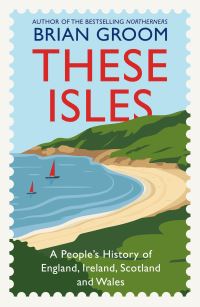
An inventive new look at the entwined histories of Britain and Ireland’s nations – and the people who have called them home.
-
£9.99
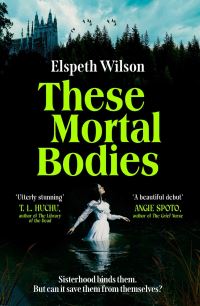
Dark academia about a working class student’s transformative first year at a prestigious university, surrounded by gothic architecture, secret societies and witchcraft.Â
-
£12.99
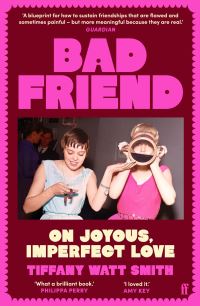
Move over idealised BFFs, glossy gal pals and indestructible work wives. Meet the bad friends. The dangerously romantic school girls of the 1900s. The office gossips of the 1930s. The mum cliques of the 1950s. The angry activists of the 1970s. The coven – women who choose to live together in old age – of the present day. These ‘bad’ friends broke the rules about femininity they didn’t write. Their relationships were controlled, patrolled and judged too intimate, too consuming and in some cases, too powerful. In this history of women’s friendship, celebrated cultural historian Tiffany Watt Smith reckons with the ways we understand this complex and vital connection. She takes us from Japan to the Ivory Coast, The Mindy Project to Zadie Smith’s Swing Time, from prisons to film sets to hospital wards and elder communities, untangling the assumptions about good and bad friends we live by.
-
£10.99
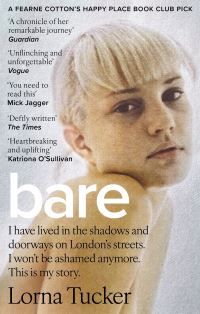
Aged 15, Lorna was living on the streets of Soho, trying to avoid abuse and rape whilst battling an addiction to heroin. She worked as an escort and a stripper, lost custody of her daughter, and relapsed multiple times. But, somehow, and unlike most of the people imprisoned by the streets, Lorna didn’t just survive but she flew. ‘I’ve dodged through these streets for a lifetime. I realise I have never stopped running since the day that I left the streets, never sat still, never found peace. But the process of unpicking my life means that, for the first time ever, I am actually facing what I have to do. It’s time to tell my story.’ On any given night, tens of thousands of families and individuals across the UK are experiencing homelessness. One in three people sleeping rough have experienced violence and are nine times more likely to take their own life.
-
£10.99
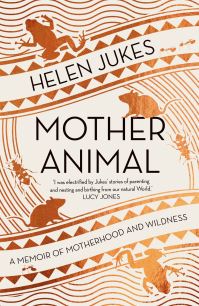
Offers a startling new vision of motherhood: wild, intimate, diverse; as contested and extraordinary as the world in which we live and the animals with which we share it.
-
£11.99
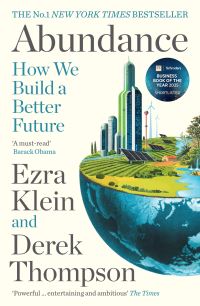
In the last few decades, our capacity to see problems has sharpened while our ability to solve them has diminished. Progress requires the ability to see promise rather than just peril in the creation of new ideas and projects, and an instinct to design systems and institutions that make building possible. In a book exploring how we can move from a liberalism that not only protects and preserves but also builds, Klein and Thompson trace the political, economic, and cultural barriers to progress and how we can adopt a mindset directed toward abundance, and not scarcity, to overcome them.
-
£25.00
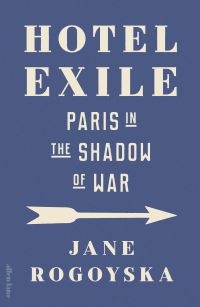
The Hotel Lutetia is a Paris institution, the only ‘grand’ hotel on the city’s bohemian Left Bank. Ever since it opened, it has served as a meeting place for artists, musicians and politicians. Andre Gide took his lunch here, James Joyce lived in one of its rooms, Picasso and Matisse were regular guests. It has a darker history, too. During one short period, it became a focus for some of the most dramatic and terrible events in recent history. In the 1930s the Hotel Lutetia attracted intellectuals and political activists, forced to flee their homes when Hitler came to power, who met here with the hope of forming an alternative government. But when war came, Paris was occupied, and the hotel became the headquarters of the German military intelligence service – and the centre of their operation to root out enemies of the Reich.
-
£25.00
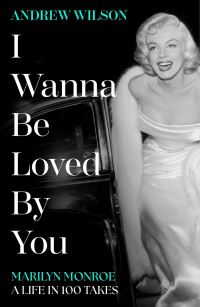
An illuminating biography of the Hollywood icon Marilyn Monroe, written by award-winning biographer Andrew Wilson.Â
-
£25.00
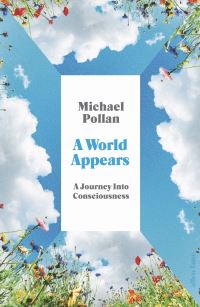
How does it feel to be you with your own personal feelings, thoughts and experiences? Every one of us is intimately familiar with consciousness, but no one knows how – or why – it came to be that three pounds of grey matter can generate a subjective point of view. The early 1990s marked the birth of a new science of consciousness, based on the assumption that the phenomenon could be explained in terms of brain activity, but that effort is faltering, and wilder ideas, such as panpsychism, are now getting a hearing. Indeed, there is now reason to doubt that ‘objective science’ as we have known it since Galileo has the right tools to plumb first-person experience. This title takes Michael Pollan from the laboratories where scientists are searching for the neural correlates of consciousness to encounters with philosophers and novelists and Buddhist monks, whom he finds have just as much to teach us about consciousness, if not more.