Showing all 3 resultsSorted by latest
-
£11.99
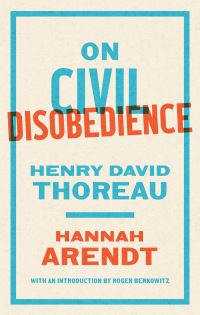
As we grapple with how to respond to emerging threats against democracy, Library of America brings together for the first time two seminal essays about the duties of citizenship and the imperatives of conscience. In ‘Resistance to Civil Government’ (1849), Henry David Thoreau recounts the story of a night he spent in jail for refusing to pay poll taxes, which he believed supported the Mexican American War and the expansion of slavery. His larger aim was to articulate a view of individual conscience as a force in American politics. No writer has made a more persuasive case for obedience to a ‘higher law.’ In ‘Civil Disobedience’ (1970), Hannah Arendt offers a stern rebuttal to Thoreau. For Arendt, Thoreau stands in willful opposition to the public and collective spirit that defines civil disobedience. Only through positive collective action and the promises we make to each other in a civil society can meaningful change occur. This deluxe
-
£15.99
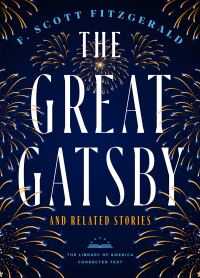
Published five years after his stunning 1920 debut, This Side of Paradise, The Great Gatsby established F. Scott Fitzgerald as one of the most important writers of his generation. Its unforgettable characters, poetic prose, and large themes – money, class, and American optimism – have an enduring fascination and make The Great Gatsby a frequent candidate for ‘the Great American novel.’ Drawn from the authoritative Library of America edition of Fitzgerald’s collected writings, this deluxe paperback (which features French flaps and deckle-edge paper) presents a new, corrected text of The Great Gatsby by pre-eminent Fitzgerald scholar James L. W. West III. The Library of America text corrects errors, restores Fitzgerald’s preferred American spellings, and incorporates emendations the author made on galley proofs and in his personal copy of the book. Fitzgerald’s masterpiece is joined here by four contemporary stories – the ‘Gatsby cluster’
-
£11.99
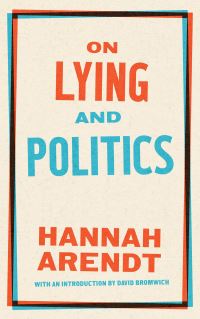
‘No one,’ Hannah Arendt observed, ‘has ever counted truthfulness as a political virtue.’ But why do politicians lie? What is the relationship between political lies and self-delusion? And how much organized deceit can a democracy endure before it ceases to function? Fifty years ago, the century’s greatest political theorist turned her focus to these questions in two seminal essays, brought together here for the first time. Her conclusions, delivered in searching prose that crackles with insight and intelligence, remain powerfully relevant, perhaps more so today than when they were written.