Showing 13–15 of 15 resultsSorted by latest
-
£20.00
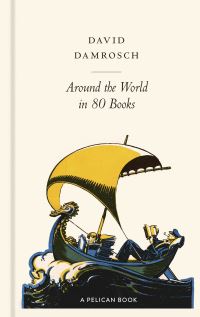
Inspired by Jules Verne’s hero Phileas Fogg, David Damrosch, chair of Harvard’s Department of Comparative Literature and founder of Harvard’s Institute for World Literature, set out to counter a pandemic’s restrictions on travel by exploring eighty exceptional books from around the globe. Following a literary itinerary from London to Venice, Tehran and points beyond, and via authors from Woolf and Dante to Nobel prizewinners Orhan Pamuk, Wole Soyinka, Mo Yan and Olga Tokarczuk, he explores how these works have shaped our idea of the world, and the ways the world bleeds into literature. To chart the expansive landscape of world literature today, Damrosch explores how writers live in two very different worlds: the world of their personal experience, and the world of books that have enabled great writers to give shape and meaning to their lives.
-
£10.99
How many people have died because of COVID-19? Which countries have been hit hardest by the virus? What are the benefits and harms of different vaccines? How does COVID-19 compare to the Spanish flu? How have the lockdown measures affected the economy, mental health and crime? This year we have been bombarded by statistics – seven day rolling averages, rates of infection, excess deaths. Never have numbers been more central to our national conversation, and never has it been more important that we think about them clearly. In the media and in their Observer column, Professor Sir David Spiegelhalter and RSS Statistical Ambassador Anthony Masters have interpreted these statistics, offering a vital public service by giving us the tools we need to make sense of the virus for ourselves and holding the government to account.
-
£10.99
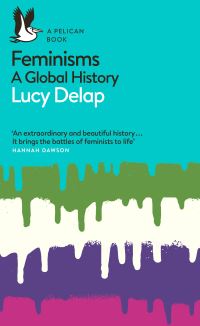
How has feminism developed? What have feminists achieved? What can we learn from the global history of feminism? Feminism is the ongoing story of a profound historical transformation. Despite being repeatedly written off as a political movement that has achieved its aim of female liberation, it has been continually redefined as new generations of women campaign against the gender inequity of their age. In this absorbing book, historian Lucy Delap challenges the simplistic narrative of ‘feminist waves’ – a sequence of ever more progressive updates – showing instead that feminists have been motivated by the specific concerns of their historical moment. Drawing on an extraordinary range of examples from Japan to Russia, Egypt to Germany, Delap explores different feminist projects to show that those who are part of this movement have not always agreed on a single programme.