Waking the Warriors
£18.99A modern fable from Booker prize-winner Ben Okri, inspired by the ancient legend of the sleeping warriors who wake when the kingdom is in mortal danger…

Showing all 11 resultsSorted by latest
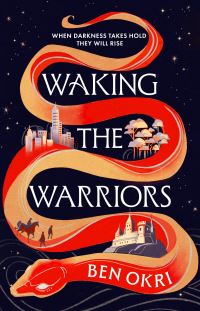
A modern fable from Booker prize-winner Ben Okri, inspired by the ancient legend of the sleeping warriors who wake when the kingdom is in mortal danger…
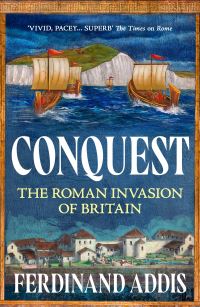

The history of Britain told through the stories of twenty-five notable buildings, from the Iron Age fortification of Maiden Castle in Dorset to the Gherkin.
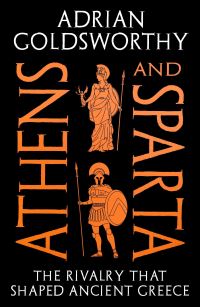
A dramatic exploration of two opposing cities, examining the politics, war and extremes of human behaviour in the ancient world.
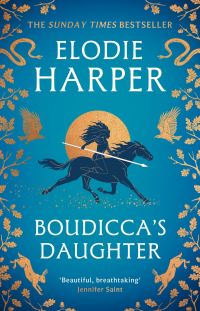
A dazzling new standalone novel set in the Roman world about the daughter of one of Britain’s most powerful heroines, from the author of the Sunday Times bestselling Wolf Den Trilogy.
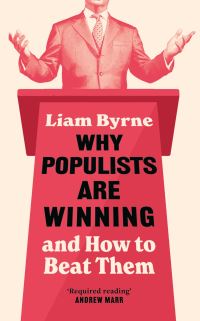
Armed with original research from across Europe and America, Liam Byrne explains why populism has seduced voters worldwide, unpacks the five keys to populist appeal and offers a game-plan for defeating populism and saving democracy

A collection of 90 enticing recipes offering new inspiration for everyday ingredients, from award-winning food writer Kate Young.
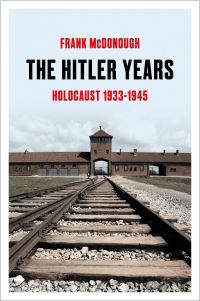
The Hitler Years: Holocaust 1933 to 1945 provides a year-by-year narrative, fully illustrated, of the road Adolf Hitler mapped out to achieve his dream – the destruction of the European Jewish population.
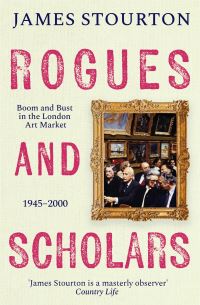
On 15th October 1958 Sotheby’s of Bond Street staged an ‘event sale’ of seven Impressionist paintings belonging to Erwin Goldschmidt: three Manets, two Cézannes, one Van Gogh and a Renoir. Kirk Douglas, Anthony Quinn and Somerset Maugham were there as celebrity guests. The seven lots went for 781,000 – at the time the highest price for a single sale. The event established London as the world centre of the art market and Sotheby’s as an international auction house. It began a shift in power from the dealers to the auctioneers and pointed the way for Impressionist paintings to dominate the market for the next forty years. While Sotheby’s is the lynchpin of the story, Stourton populates his narrative with a glorious rogue’s gallery of clever amateurs, eccentric scholars, brilliant emigrés, cockney traders and grandees with a flair for the deal.
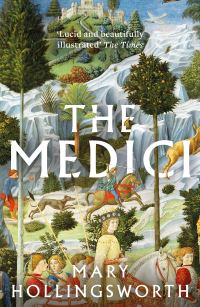
Having founded the bank that became the most powerful in Europe in the 15th century, the Medici gained political power in Florence, raising the city to a peak of cultural achievement and becoming its hereditary dukes. Among their number were no fewer than three popes and a powerful and influential queen of France. Their patronage brought about an explosion of Florentine art and architecture. Michelangelo, Donatello, Fra Angelico and Leonardo are among the artists with whom they were associated. Thus runs the ‘received view’ of the Medici. Mary Hollingsworth argues that the idea that they were wise rulers and enlightened fathers of the Renaissance is a fiction that has acquired the status of historical fact. In truth, the Medici were as devious and immoral as the Borgias – tyrants loathed in the city they illegally made their own and which they beggared in their lust for power.
No products in the basket.