Showing 1–12 of 20 resultsSorted by latest
-
£30.00
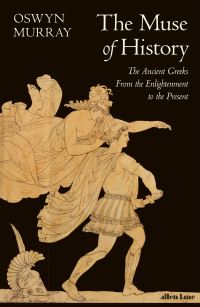
The study of ancient Greek history has been central to the western conception of history since the Renaissance. ‘The Muse of History’ traces the shifting patterns of this preoccupation in the last three centuries, in which each generation has reinterpreted the Greeks in the light of their contemporary world, through times of revolution, conflicting ideologies and warfare. It aims to offer a new history of Greek historiography from the Enlightenment to the present, and to acknowledge the continuing spiritual importance of the ancient Greeks for European culture in the twentieth century under totalitarian persecutions.
-
£10.99
A TIMES BOOK OF THE YEAR
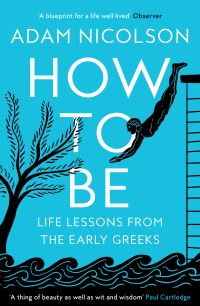
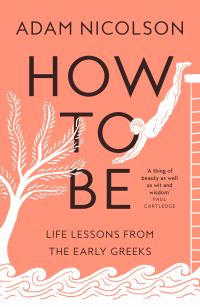
What is the nature of things? Must I think my own way through the world? What is justice? How can I be me? How should we treat each other?
-
£30.00
A compelling and fascinating portrait of the continuing intellectual tradition of Greek writers and thinkers in the Age of Rome.
-
£7.99
The Pocket Philosophy series introduces readers of all ages to the biggest names in philosophy. Epictetus is reminding us to focus only on what we can control – our own actions – and not spend time worrying about what we can’t control.
-
£12.99
How to Be Perfect meets The Daily Stoic in this witty, entertaining, highly giftable compendium of quotidian wisdom
-
£10.99
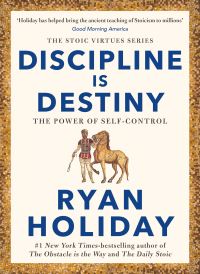
The inscription on the Oracle of Delphi says: ‘Nothing in excess.’ C.S. Lewis described temperance as going to the ‘right length but no further.’ Easy to say, hard to practice – and if it was tough in 300 BC, or in the 1940s, it feels all but impossible today. Yet it’s the most empowering and important virtue any of us can learn. Without self-discipline, all our plans fall apart. Here, Ryan Holiday shows how to cultivate willpower, moderation and self-control in our lives. From Aristotle and Marcus Aurelius, to Toni Morrison and Queen Elizabeth II, he illuminates the great exemplars of its practice and what we can learn from them.
-
£25.00
What is the nature of things? Must I think my own way through the world? What is justice? How can I be me? How should we treat each other?
-
£16.99
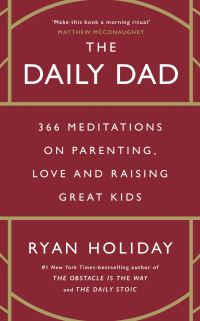
What does it mean to be a great father? And how do you become one? Parenting is a role filled with meaning and purpose, but every dad needs guidance: because fatherhood is not a one-off, it is something you do every day. Instead of a parenting book you read once as a sleep-deprived new parent, ‘The Daily Dad’ provides 366 accessible meditations on fatherhood, one for each day of the year.
-
£16.99
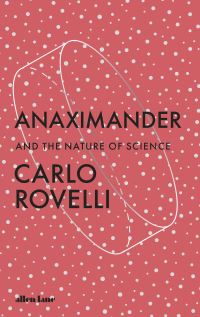
Carlo Rovelli restores Anaximander to his place in the history of science by carefully reconstructing his theories from what is known to us and examining them in their historical and philosophical contexts.
-
£14.99
Emily Austin walks readers through exactly how Epicureanism might help them in daily life in practical, practicable ways: valuing friendships, giving advice, combatting imposter syndrome, pursuing life goals, and thinking about everything from dinner parties to sex, drugs, dying, and disease.
-
£14.99
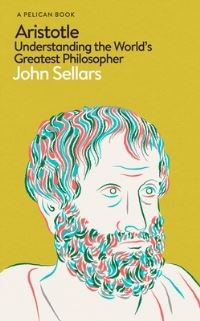
There is in Athens a rather plain ruin; a simple courtyard lined with fragments of wall. Yet, this little patch of land has a claim to be the most significant place in human history. It is the Lyceum, site of Aristotle’s school: here the philosopher wandered, discussing his life’s work with students, proposing answers to the mysteries of the human condition. Today, it can be difficult to fully comprehend the staggering influence of these lessons. Aristotle’s observations about the world around him and his reflections on the nature of knowledge laid the foundations for all empirical science. His study of rational thought formed the basis of formal logic, the cornerstone of philosophical investigation. His examination of Greek city-states gave us political science, while his analysis of drama remains a mainstay of literature courses around the world.
-
£14.99
The inscription on the Oracle of Delphi says: ‘Nothing in excess.’ C.S. Lewis described temperance as going to the ‘right length but no further.’ Easy to say, hard to practice – and if it was tough in 300 BC, or in the 1940s, it feels all but impossible today. Yet it’s the most empowering and important virtue any of us can learn. Without self-discipline, all our plans fall apart. Here, Ryan Holiday shows how to cultivate willpower, moderation and self-control in our lives. From Aristotle and Marcus Aurelius, to Toni Morrison and Queen Elizabeth II, he illuminates the great exemplars of its practice and what we can learn from them.