Showing 73–84 of 106 resultsSorted by latest
-
£9.99
In 1961, Wally Funk was among the Mercury 13, the first group of American pilots to pass the ‘Women in Space’ programme. Wally sailed through a series of rigorous physical and mental tests, her scores beating many of the male candidates’, including those of John Glenn, the first American in orbit. But just one week before she was due to enter the final phase of training, the programme was abruptly cancelled. A combination of politics and prejudice meant that none of the women ever flew into space. In this offbeat odyssey, journalist and fellow space buff Sue Nelson travels with Wally, now approaching her 80th birthday, as she races to make her giant leap – before it’s too late.
-
£12.99
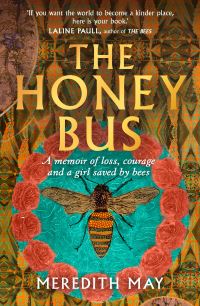
‘The bee is more frightened than you,’ he said.
‘Can you imagine how scary it is to be this small in a world that is so big?’
He was right.
-
£18.99
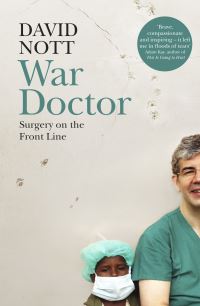
The gripping true story of a front-line trauma surgeon in the world’s most dangerous war zones.
-
£16.99
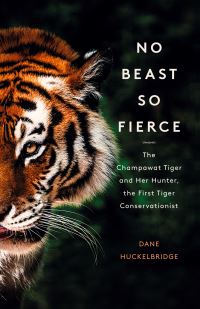
The deadliest animal of all time meets the world’s most legendary hunter in a classic battle between man and wild. But this pulse-pounding narrative is also a nuanced story of how colonialism and environmental destruction upset the natural order, placing man, tiger and nature on a collision course.
-
£10.99
In one devastating week, Raynor and her husband Moth lost their home of 20 years, just as a terminal diagnosis took away their future together. With nowhere else to go, they decided to walk the South West Coast Path: a 630-mile sea-swept trail from Somerset to Dorset, via Devon and Cornwall. This ancient, wind-battered landscape strips them of every comfort they had previously known. With very little money for food or shelter, Raynor and Moth carry everything on their backs and wild camp on beaches and clifftops. But slowly, with every step, every encounter, and every test along the way, the walk sets them on a remarkable journey. They don’t know how far they will travel, but – to their surprise – they find themselves on a path to freedom.
-
£8.99
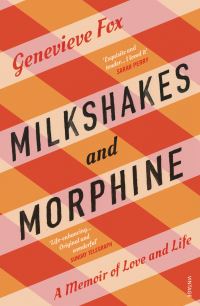
When Genevieve first feels a lump on her throat she ignores it. She has form with cancer – it took her mother when Genevieve was only nine – and she is simply not willing to go there. As the lump grows Genevieve has no choice but to engage. But from her first diagnosis – wearing in a favourite frock for a party that evening – to the succour she derives from friendships during difficult days to come, Genevieve confronts cancer with sass as well as a dogged optimism fuelled partly by her own young sons. Genevieve’s story weaves between now and her childhood, a rackety and fascinating yet precarious period for her and her orphaned sister.
-
£9.99
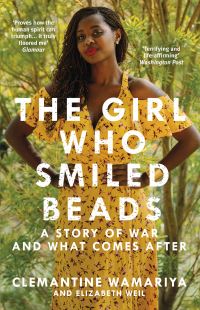
Clemantine Wamariya was six years old when her mother and father began to speak in whispers, when neighbours began to disappear, and when she heard the loud, ugly sounds her brother said were ‘thunder’. In 1994, she and her fifteen-year-old sister, Claire, fled the Rwandan massacre and spent the next six years wandering through seven African countries, searching for safety – perpetually hungry, imprisoned and abused, enduring and escaping refugee camps, finding unexpected kindness, witnessing inhuman cruelty. They did not know whether their parents were dead or alive. When Clemantine was twelve, she and her sister were granted asylum in the United States, where she embarked on another journey – to excavate her past and, after years of being made to feel less than human, claim her individuality.
-
£9.99
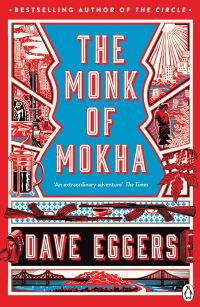
Mokhtar Alkhanshali is twenty-four and working as a doorman when he becomes fascinated with the rich history of coffee and Yemen’s central place in it. He leaves San Francisco and travels deep into his ancestral home to tour terraced farms high in the country’s rugged mountains. He collects samples and organizes farmers and is on the verge of success when civil war engulfs the country. Saudi bombs rain down, the U.S. embassy closes, and Mokhtar has to find a way out of Yemen with only his hopes on his back.
-
£10.99
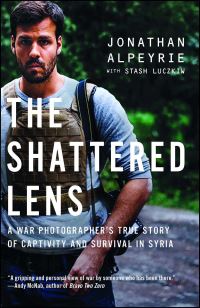
For a decade, Jonathan Alpeyrie – a French-American photojournalist – had ventured in and out of more than a dozen conflict zones. He photographed civilians being chased out of their homes, military trucks roving over bullet-torn battlefields, and too many bodies to count. But on April 29, 2013, during his third assignment to Syria, Alpeyrie became the story. For eighty-one days he was bound, blindfolded, and beaten by Syrian rebels. Over the course of his captivity, Alpeyrie kept his spirits up and strove to find the humanity in his captors. He took part in their activities, taught them how to swim, prayed with them, and tried learning their language and culture. He also discovered a dormant faith within himself, one that strengthened him throughout the ordeal.
-
£20.00
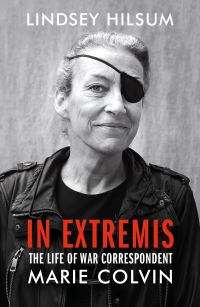
Marie Colvin was glamorous, hard-drinking, braver than the boys, with a troubled and rackety personal life. With fierce compassion and honesty, she reported from the most dangerous places in the world, fractured by conflict and genocide, going in further and staying longer than anyone else. In Sri Lanka in 2001, Marie was hit by a grenade and lost the sight in her left eye – resulting in her trademark eye patch – and in 2012 she was killed in Syria. Like her hero, the legendary reporter Martha Gellhorn, she sought to bear witness to the horrifying truths of war, to write ‘the first draft of history’ and crucially to shine a light on the suffering of ordinary people. Written by fellow foreign correspondent Lindsey Hilsum, this is the story of the most daring war reporter of her age.
-
£10.99
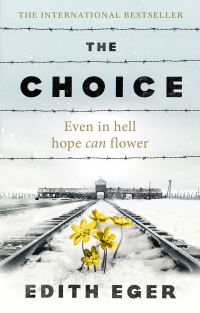
In 1944, 16-year-old Edith Eger was sent to Auschwitz. There she endured unimaginable experiences, including being made to dance for the infamous Josef Mengele. Over the coming months, Edith’s bravery helped her sister to survive, and led to her bunkmates rescuing her during a death march. When their camp was finally liberated, Edith was pulled from a pile of bodies, barely alive. In ‘The Choice’, Dr Edith Eger shares her experience of the Holocaust and the remarkable stories of those she has helped ever since.
-
£16.99
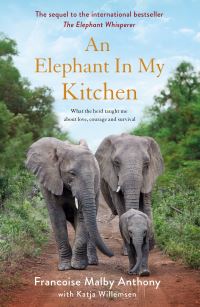
A powerful, moving sequel to the bestselling The Elephant Whisperer that tells the story of one woman’s fight to protect a herd of elephants.