Showing all 5 resultsSorted by latest
-
£12.99
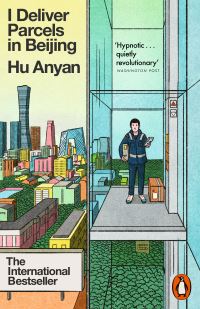
In the twenty years following Hu AnYan’s high school graduation, he has held nineteen different jobs. He’s been a convenience store clerk, a bicycle salesman, a security guard and a delivery driver (among many other things). He moves from city to city in China, slipping away any time the work gets too punishing or the bosses too bossy, carrying with him nothing but his copies of Chekhov and Carver. ‘I Deliver Parcels in Beijing’ is Hu’s account of his life as a low-wage labourer working to live, not living to work.
-
£16.99
A provocative guide to what's good, bad, and (profoundly) stupid about AI, by the bestselling author of Enshittification.
-
£20.00
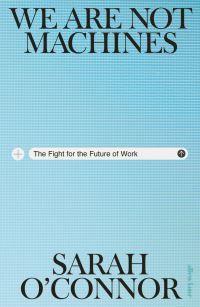
A tsunami of change, we are told, is sweeping the economy as robots and AI threaten to take over tasks done by humans. But while we worry that we’re robotizing our work, what if the real risk is that we’re robotizing ourselves? When prize-winning Financial Times journalist Sarah O’Connor set out to investigate what was happening on the front lines of technological change, she found people who weren’t losing their jobs to machines, but who felt they were losing something else instead. From translators forced to edit AI output to university graduates interviewed by software and warehouse workers surrounded by robots, she heard stories of work becoming lonelier, less creative, less human. But O’Connor also found hopeful stories of jobs being made better, safer and more enjoyable – where workers haven’t rejected the new tools, but instead have learned to control them.
-
£10.99
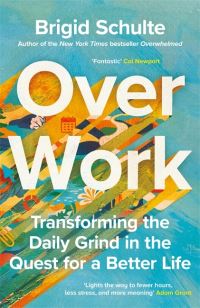
Workers across all demographics, industries and socioeconomic levels report exhaustion, burnout and the wish for more meaningful lives. Drawing on years of research, Brigid Schulte traces the arc of our discontent from a time before the 1980s, when work was more compatible with well-being and many jobs enabled a single earner to support a family, until today, with millions of people working multiple hourly jobs or in white-collar positions where no hours are ever off duty.
-
£20.00
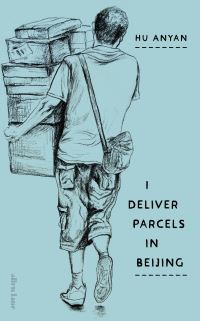
In the twenty years following Hu AnYan’s high school graduation, he has held nineteen different jobs. He’s been a convenience store clerk, a bicycle salesman, a security guard and a delivery driver (among many other things). He moves from city to city in China, slipping away any time the work gets too punishing or the bosses too bossy, carrying with him nothing but his copies of Chekhov and Carver. ‘I Deliver Parcels in Beijing’ is Hu’s account of his life as a low-wage labourer working to live, not living to work.