Showing all 5 resultsSorted by latest
-
£11.99
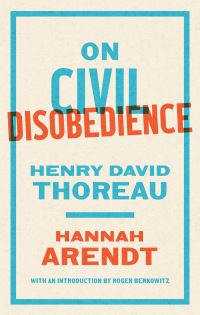
As we grapple with how to respond to emerging threats against democracy, Library of America brings together for the first time two seminal essays about the duties of citizenship and the imperatives of conscience. In ‘Resistance to Civil Government’ (1849), Henry David Thoreau recounts the story of a night he spent in jail for refusing to pay poll taxes, which he believed supported the Mexican American War and the expansion of slavery. His larger aim was to articulate a view of individual conscience as a force in American politics. No writer has made a more persuasive case for obedience to a ‘higher law.’ In ‘Civil Disobedience’ (1970), Hannah Arendt offers a stern rebuttal to Thoreau. For Arendt, Thoreau stands in willful opposition to the public and collective spirit that defines civil disobedience. Only through positive collective action and the promises we make to each other in a civil society can meaningful change occur. This deluxe
-
£12.99
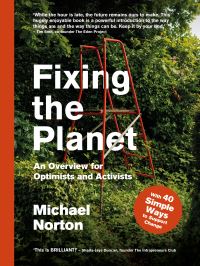
‘Fixing the Planet’ showcases solutions, showing people doing positive and creative things to address all of the world’s problems featured in the book, alongside an analysis of the problem with facts, figures and examples. From soil to nuclear energy, plastic waste to alogrithms it is a broad ranging survey of everything that needs repair and who and how its being done.
-
£12.99
Sarah Krasnostein spent the last four years in Australia and the US meeting people holding fast to belief, even as it rubs against the grain of more accepted realities. Krasnostein talks with her trademark compassion and empathy to these believers – and finds out what happens when their beliefs crash into her own.
-
£9.99
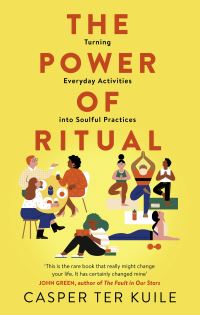
‘The rare book that really might change your life. It has certainly changed mine.’ – John Green, Author of The Fault in Our Stars
-
£8.99
This is a work of narrative non-fiction based on the last days of the fugitive Raoul Moat, a Geordie bodybuilder and mechanic who became nationally notorious in Britain one hot summer’s week when, after killing his ex-girlfriend’s new lover, shooting her in the stomach, and blinding a policeman, he disappeared into the woods of Northumberland, evading discovery for seven days – even when TV tracker Ray Mears was employed by the police to find him. Eventually, cornered by the police, Moat shot himself. Here, Andrew Hankinson tells Moat’s story in the second person, which means that the reader is uncomfortably close at all times to Raoul Moat.