Showing 49–60 of 70 resultsSorted by latest
-
£9.99
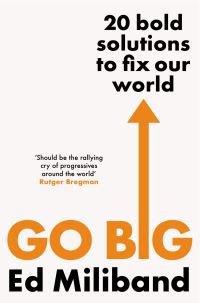
Ed Miliband has captured imaginations with his award-winning hit podcast ‘Reasons to be Cheerful’, which discovers brilliant people all around the world who are successfully fixing problems, transforming communities and pioneering global movements. From a citizens’ assembly in Mongolia to the UK’s largest walking and cycling network in Greater Manchester, from flexible working in Finland to the campaign for the first halal Nando’s in Cardiff, ‘Go Big’ draws on the most imaginative and ambitious of these ideas to provide a vision for how to remake society.
-
£16.99
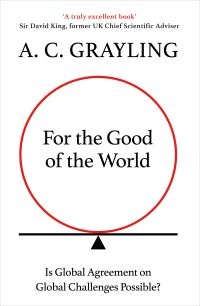
A lucid and inspiring consideration of the challenges we and our world now face, and a proposal for a way to overcome them.
-
£7.99
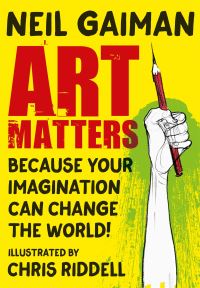
Combining Neil Gaiman’s extraordinary words with Chris Riddell’s deft and striking illustrations, ‘Art Matters’ will inspire its readers to seize the day in the name of art. Neil Gaiman once said that ‘the world always seems brighter when you’ve just made something that wasn’t there before’. This little book is the embodiment of that vision. A creative call to arms, this timely illustrated collection of ideas, thoughts, feelings and artistic manifestos will be inspirational to young and old, and will encourage glorious, creative rebellion.
-
£4.99
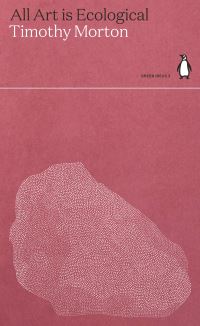
Provocative and playful, ‘All Art is Ecological’ explores the strangeness of living in an age of mass extinction, and shows us that emotions and experience are the basis for a deep philosophical engagement with ecology.
-
£10.99
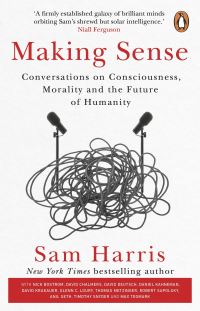
Neuroscientist, philosopher, podcaster and bestselling author Sam Harris, has been exploring some of the greatest questions concerning the human mind, society, and the events that shape our world. Harris’ search for deeper understanding of how we think has led him to engage and exchange with some of our most brilliant and controversial contemporary minds – Daniel Kahneman, Robert Sapolsky, Anil Seth and Max Tegmark – in order to unpack and understand ideas of consciousness, free will, extremism, and ethical living. For Harris, honest conversation, no matter how difficult or contentious, represents the only path to moral and intellectual progress. Featuring 11 conversations from the hit podcast, these electric exchanges fuse wisdom with rigorous interrogation to shine a light on what it means to make sense of our world today.
-
£14.99
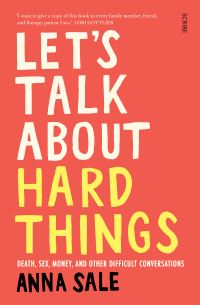
Death. Sex. Money. Tricky subjects we’re taught to avoid in polite conversation. But if they’re so unpleasant, why do so many people tune in regularly to hear Anna Sale asking perfect strangers about them? What if, rather than declaring them off-limits, we could all benefit from discussing them more? In this book, Sale – the host of cult podcast Death, Sex & Money, which tackles life’s hard questions – takes her quest for more honest communication into her own life. She considers her history of facing (and sometimes avoiding) difficult subjects, both personal and cultural; she reflects on race, wealth, inequality, love, grief, death, power – all the things that shape our daily lives, the things we should be talking about, but often struggle to.
-
£25.00
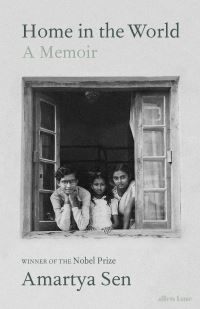
Where is ‘home’? For Amartya Sen home has been many places – Dhaka in modern Bangladesh where he grew up, the village of Santiniketan where he was raised by his grandparents as much as by his parents, Calcutta where he first studied economics and was active in student movements, and Trinity College, Cambridge, to which he came aged nineteen. Sen brilliantly recreates the atmosphere in each of these. Central to his formation was the intellectually liberating school in Santiniketan founded by Rabindranath Tagore (who gave him his name Amartya) and enticing conversations in the famous Coffee House on College Street in Calcutta. As an undergraduate at Cambridge, he engaged with many of the leading figures of the day. This is a book of ideas as much as of people and places.
-
£14.99
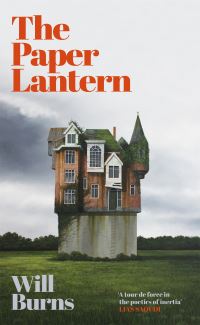
Set in a shuttered pub – The Paper Lantern – in a village in the very middle of the country adjacent to the Chequers estate, the narrator embarks on a series of walks in the Chiltern Hills, which become the landscape for evocations of a past scarred with trauma and a present lacking compass. From local raves in secret valleys and the history of landmarks such as Halton House, to the fallout of the lockdown period, climate change and capitalism, this book creates a tangible, lived-in, complicated rendering of a place.
-
£7.99
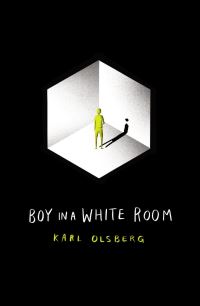
A boy wakes to find himself locked in a white room. He has no memories, no idea who he is and no idea how he got here. As he pieces together his story he starts to wonder … how can he tell what’s real and what’s not? Who is he really?
-
£7.99
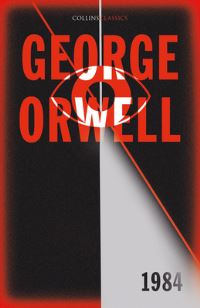
The international bestselling classic from the author of Animal Farm.
-
£9.99
Financial Times Book of the Year
Telegraph Top 50 Books of the Year
Guardian Book of the Year
New Statesman Book of the Year
‘Roundly debunks racism’s core lie – that inequality is to do with genetics, rather than political power’ Reni Eddo-Lodge
-
£14.99
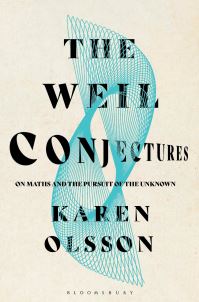
Simone Weil: famous French philosopher, writer, political activist, mystic – and sister to André, one of the most influential mathematicians of the 20th century. For Karen Olsson, who studied mathematics at Harvard only to turn to writing as a vocation, the lives and obsessions of these two extraordinary siblings returned her to the intellectual passions of her youth. When Olsson got hold of the 1940 letters between Simone and André, she discovered that André’s pursuit of his studies became increasingly incomprehensible to his sister, leading to Simone directly questioning him about the value of such rarefied knowledge as it applied to the lived experience. Struck by this conflict, Olsson revisits her own time at university, how she came to be consumed by mathematics, and the unexpected similarities that can be found between two seemingly opposed subjects.