Showing 1–12 of 28 resultsSorted by latest
-
£10.99
A Book of the Year in the Daily Telegraph and Economist
'This book reads like a spy novel' FINANICAL TIMES
'Entertaining and vivid' OBSERVER
'Reads like a thriller' THE SUN
————————————
The astonishing story of the ten million books that were smuggled across the Iron Curtain during the Cold War.
-
£12.99
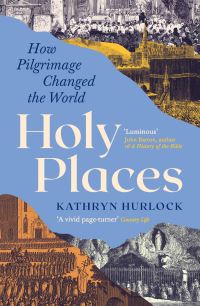
This year, as they have for millennia, many people around the world will set out on pilgrimages. But these are not only journeys of personal and spiritual devotion – they are also political acts, affirmations of identity and engagements with deep-rooted historical narratives. Kathryn Hurlock follows the trail of pilgrimage through nineteen sacred sites – from Tai Shan to Jerusalem, Amritsar to Buenos Aires – revealing the many ways in which this ancient practice has shaped our religions and our world. Pilgrimages have transformed the fates of cities, anointed dynasties, provided guidance in hard times and driven progress in good. Filled with fascinating insights, this book unveils the complex histories and contemporary endurance of one of our most fundamental human urges.
-
£22.00
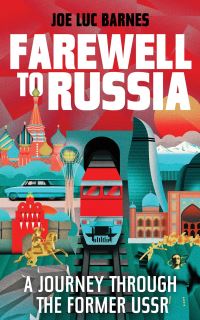
A razor-sharp, utterly immersive political travelogue that reveals one of the world’s most enigmatic regions
-
£22.00
A landmark exploration of women-led communities worldwide and what they can teach us about new ways to live, think and govern, from BBC global correspondent Megha Mohan.
-
£25.00
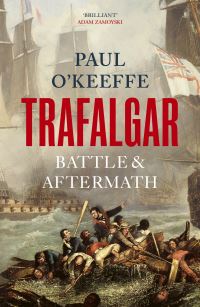
At or about 1.15 in the afternoon of 21 October 1805, Vice Admiral Horatio Nelson was struck by a 22-gramme, 15-millimetre French musket round fired down from the mizzen top of the Redoutable, a distance of some 70 feet to HMS Victory’s quarter deck. It nicked the edge of his epaulette, and passed diagonally down, through the material of his coat and into the left shoulder, fracturing the upper part of the scapula or shoulder blade, then the second and third rib. It pierced the left lung, dividing a branch of the pulmonary artery, and emerged to sever the spine, splintering the sixth and seventh vertebrae above and below as it crashed between. The soft lead ball – distorted by collisions with bone – ended its flight embedded in muscle two inches below the right scapula. In this fresh and visceral retelling of the battle of Trafalgar, Paul O’Keeffe traces the course of events both prior and subsequent to that fatal shot.
-
£12.99
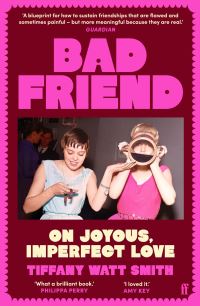
Move over idealised BFFs, glossy gal pals and indestructible work wives. Meet the bad friends. The dangerously romantic school girls of the 1900s. The office gossips of the 1930s. The mum cliques of the 1950s. The angry activists of the 1970s. The coven – women who choose to live together in old age – of the present day. These ‘bad’ friends broke the rules about femininity they didn’t write. Their relationships were controlled, patrolled and judged too intimate, too consuming and in some cases, too powerful. In this history of women’s friendship, celebrated cultural historian Tiffany Watt Smith reckons with the ways we understand this complex and vital connection. She takes us from Japan to the Ivory Coast, The Mindy Project to Zadie Smith’s Swing Time, from prisons to film sets to hospital wards and elder communities, untangling the assumptions about good and bad friends we live by.
-
£25.00
The Hotel Lutetia is a Paris institution, the only ‘grand’ hotel on the city’s bohemian Left Bank. Ever since it opened, it has served as a meeting place for artists, musicians and politicians. Andre Gide took his lunch here, James Joyce lived in one of its rooms, Picasso and Matisse were regular guests. It has a darker history, too. During one short period, it became a focus for some of the most dramatic and terrible events in recent history. In the 1930s the Hotel Lutetia attracted intellectuals and political activists, forced to flee their homes when Hitler came to power, who met here with the hope of forming an alternative government. But when war came, Paris was occupied, and the hotel became the headquarters of the German military intelligence service – and the centre of their operation to root out enemies of the Reich.
-
£12.99
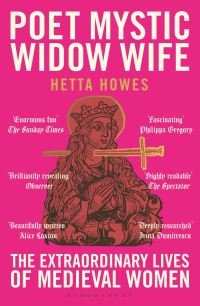
A spectacular, vivid, groundbreaking work of history which takes us into the mind and lives of medieval women.
-
£20.00
A joyous exploration of the cultural phenomenon that created Mario, Zelda and Pokémon, and an ode to our love of gaming, by one of the most trusted voices in video games writing.
-
£12.99
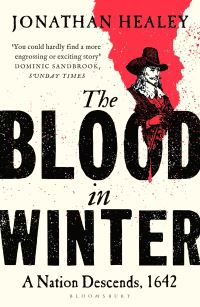
A thrilling political history about the months that brought England to the cusp of civil war, from the acclaimed author of The Blazing World
-
£20.00
We encounter the idea of intelligence everywhere in our modern lives. Parents are told that their children will grow up smart if they are made to listen to Mozart, play with the right toys, and eat the healthiest foods. Schools plunge everyone into the ruthless world of testing and academic competition. Those who attend the right universities are likely to earn vastly more over their lifetimes than those who found education a struggle. We are told repeatedly that some of the richest and most successful people in society – tech pioneers, CEOs or financial wizards – are rich and successful precisely because they’re so smart. And we now have to worry about the impact of artificial intelligence on our jobs, our societies, and the very survival of our species. This book draws on science, politics, and popular culture to uncover the stories of the people and projects that built the idea of modern intelligence.
-
£25.00
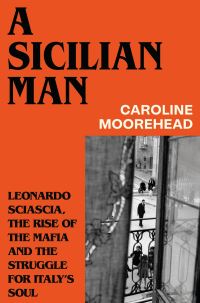
In 1986, the largest Mafia trial in Italy’s history took place in Sicily. The maxi-processo saw 471 men and 4 women take the stand, accused of kidnapping, extortion, drug trafficking and many thousands of murders. Sitting in the galley was Leonardo Sciascia. One of the greatest European writers of the twentieth century, he had published the first Mafia novel, ‘The Day of the Owl’, and was widely seen by Italians as a true moral figure in a country where corruption had seeped into every corner of public and private life. This is the story of Sciascia’s life against the rise of the Mafia and the devastating struggle that ensued for Italy’s soul.