Herlands
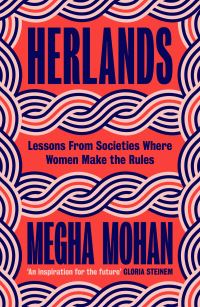
£22.00A landmark exploration of women-led communities worldwide and what they can teach us about new ways to live, think and govern, from BBC global correspondent Megha Mohan.
We recently launched our new website and are facing a few teething issues. If you see any problems please contact us.

 Maktub
Available on backorder (5-7 days)
Blood Ties
Available on backorder (5-7 days)
JoyFull
Available on backorder (5-7 days)
An opinionated guide to London delis
Available on backorder (5-7 days)
What To Expect 1st Year
Available on backorder (5-7 days)
Great Women Painters
Available on backorder (5-7 days)
Subtotal: £124.87
We recently launched our new website and are facing a few teething issues. If you see any problems please contact us.
Showing 1–12 of 20 resultsSorted by latest
A landmark exploration of women-led communities worldwide and what they can teach us about new ways to live, think and govern, from BBC global correspondent Megha Mohan.

When Tom Feiling moved to Tokyo as a student in the early nineties, Japan was a beacon of the future: a rising superpower, a technology giant, a global symbol of prosperity, civility and success. When he returned 24 years later, the country was still a sign of things to come – but, he began to realize, it was no longer a beacon. It was a warning. This is a unique account of contemporary Japan, which travels from the quiet of its furthest flung villages to the aspiration and dynamism of its cities. It tells the story of how, from the mid-seventies onwards, Japanese society unknowingly embarked on a vast, silent process of transformation that is still unfolding today.

This data-rich sociological study uses everything from census figures to Who’s Who to analyze how, over 125 years, the British elite have used status, elite education, and powerful social networks to shape politics and cultural values. But what happens when elites begin to change-in what they look like, value, and how they position themselves?
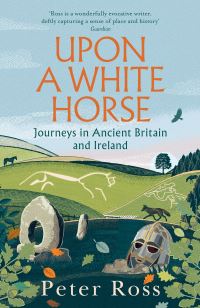
Beautiful and strange, ancient monuments have long captured our attention and curiosity. We stand in awe before them, asking who created the Uffington White Horse – and why? What was it like to live in the shadow of Hadrian’s Wall? What stories would the towering megaliths of Stonehenge and Avebury tell if they could speak? Uncovering the enduring mystery of ancient sites, award-winning writer Peter Ross once again invites readers to sit beside him as he celebrates their influence on art, culture and society, explores the way their meaning has evolved over time and simply delights in their magic.

WHAT DOES IT MEAN TO COUNT? WHY ARE HUMANS THE ONLY SPECIES ON EARTH THAT CAN DO IT? WHERE DID COUNTING COME FROM? HOW HAS IT SHAPED SOCIETIES ALONG THE WAY? AND WHY DOES IT MATTER?

‘Lost Countries of South America’ is an adventurous, ambitious and dazzlingly original study of South America’s past that bridges travel writing, history and rich literary narrative.

Modern life encourages us to pursue the perfect identity. Whether we aspire to become the best lawyer or charity worker, life partner or celebrity influencer, we emulate exemplars that exist in the world Рhoping it will bring us happiness. But this often leads to a complex game of envy and pride. We achieve these identities but want others to imitate us. We disagree with those whose identities contradict ours Рleading to polarisation and even violence. And yet when they thump against us, we are ashamed to ring hollow. In this book, philosopher Alexander Douglas seeks an alternative wisdom. Searching the work of three thinkers Рancient Chinese philosopher Zhuangzi, Dutch Enlightenment thinker Benedict de Spinoza, and 20th Century French theorist Ren̩ Girard Рhe explores how identity can be a spiritual violence that leads us away from truth.
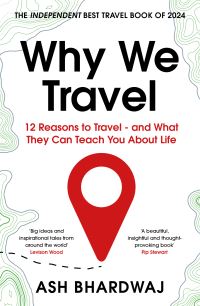
Selected as the Independent’s Best Travel book, Why We Travel asks why humans yearn to travel, what motivates us and what we can gain from venturing out into the world.
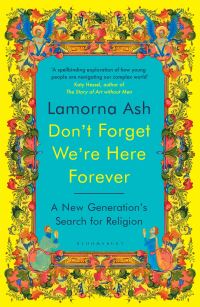
With glowing compassion and luminous prose, Lamorna Ash (‘a new star of non-fiction’ William Dalrymple) explores why young people in Britain today are turning to faith in an age of uncertainty.
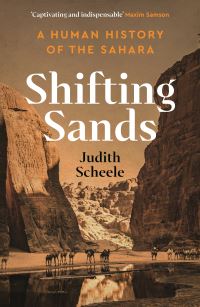
Blue-veiled nomads, camels crossing infinite dunes, oases shimmering on the horizon: ready-made images of the Sahara are easy to conjure. But they can never truly capture a region that crosses eleven countries and is home to millions. This sweeping account upends old fantasies, revealing the far more interesting reality of the Earth’s largest hot desert. Drawing on decades of research, and years spent living in the region, anthropologist Judith Scheele takes us from Libya to Mali, Algeria to Chad, from the ancient Roman Empire to contemporary regional battles and fraught international diplomacy, questioning every easy cliché and exposing fascinating truths along the way.
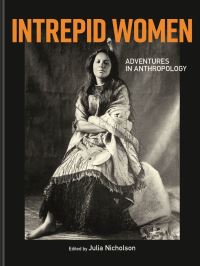
Meet the pioneering female anthropologists who coped with illness, shipwreck, loneliness and misogyny to document the remarkable lives of people in distant parts of the world where ‘ladies’ were not meant to travel.
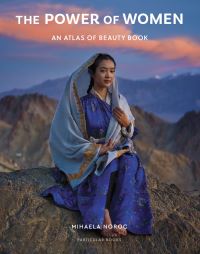
True beauty lies in the sum of our qualities, used for positive purposes. In other words, using your power for the good. This book delves deeper into the stories behind the captivating images that have made Mihaela Noroc an online sensation. With 500 portraits from over 60 countries, including Japan, India, Peru, Namibia and the United States, ‘The Power of Women’ is a celebration of courage, resilience and beauty in all its forms.
Maktub
Available on backorder (5-7 days)
Blood Ties
Available on backorder (5-7 days)
JoyFull
Available on backorder (5-7 days)
An opinionated guide to London delis
Available on backorder (5-7 days)
What To Expect 1st Year
Available on backorder (5-7 days)
Great Women Painters
Available on backorder (5-7 days)
Subtotal: £124.87
Notifications