Showing 1–12 of 14 resultsSorted by latest
-
£30.00
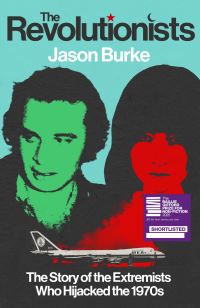
In the 1970s, a network of radical extremists terrorised the West with plane hijackings and hostage-takings. Among them were the beautiful young Leila Khaled with her jewellery made from grenade rings, the hard-drinking philanderer Carlos the Jackal sporting shades and open-neck shirts, and the radical leftists of the Baader-Meinhof Gang. They sought to liberate the Palestinians and overthrow western imperialism, orchestrating spectacularly violent attacks that held governments to ransom and the world gripped to their television screens. Drawing on decades of research, declassified archive material and original interviews with witnesses and participants, Jason Burke provides a masterful account of their exploits over the course of this dark decade.
-
£25.00
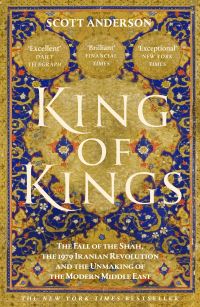
Before the revolution, the Shah of Iran seemed invincible. The world watched in awe as he commanded a huge army and oversaw an economy awash with billions of dollars of oil revenues. The regime’s secret police had crushed communist opposition and the Shah appeared to have bought off the conservative Muslim clergy inside the country. On the international stage, Iran had become an invaluable ally to the West during the Cold War. But village streets spoke of a different country – people derided the Shah as an American lackey and blamed him for economic inequality, for spending recklessly on lavish parties and for ignoring the Muslim majority. When a volcanic religious revolution erupted, led by Ayatollah Khomeini, the Shah was forced into exile. How did it all go so wrong? This book reveals how the Iranian Revolution was as world-shattering an event as the French and Russian revolutions, and how its repercussions are still felt today.
-
£12.99
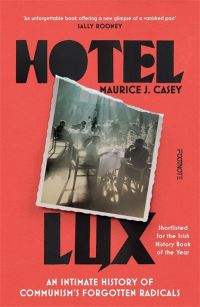
‘Hotel Lux’ follows Irish radical May O’Callaghan and her friends, three revolutionary families brought together by their vision for a communist future and their time spent in the Comintern’s Moscow living quarters, the Hotel Lux. Historian Maurice Casey reveals the connections and disconnections of a group of forgotten communist activists whose lives collided in 1920s Moscow: a brilliant Irish translator, a maverick author, the rebel daughters of an East London Jewish family, and a family of determined German anti-fascists.
-
£25.00
From the Sunday Times No. 1 Bestselling Author
-
£14.99
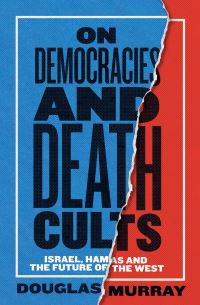
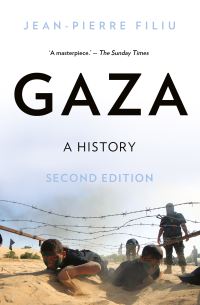
The story of the struggle to control Gaza, from the mid-19th century to the present.
-
£10.99
‘Glorious’ Guardian
‘Vigorous, rigorous and eminently readable’ SPECTATOR
-
£18.99
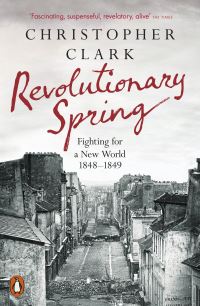
‘People embraced each other, shook hands, joy radiated from every eye, there was no limit to the celebrations.’ There can be few more exciting or frightening moments in European history than the spring of 1848. Almost as if by magic, in city after city, from Palermo to Paris to Venice, huge crowds gathered, sometimes peaceful and sometimes violent, and the political order that had held sway since the defeat of Napoleon simply collapsed. Christopher Clark’s book recreates with verve, wit, and insight this extraordinary period.
-
£35.00
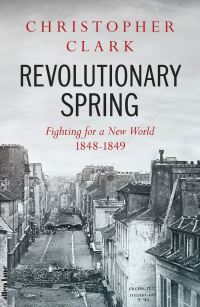
‘People embraced each other, shook hands, joy radiated from every eye, there was no limit to the celebrations.’ There can be few more exciting or frightening moments in European history than the spring of 1848. Almost as if by magic, in city after city, from Palermo to Paris to Venice, huge crowds gathered, sometimes peaceful and sometimes violent, and the political order that had held sway since the defeat of Napoleon simply collapsed. Christopher Clark’s book recreates with verve, wit, and insight this extraordinary period.
-
£20.00
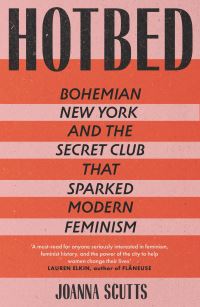
The never-before-told story of the club whose audacious ideas and unruly acts transformed an international feminist agenda into a modern way of life.
-
£15.00
Outlines the story of the White Rose group and sets their resistance texts within their political and historical context. Includes a series of brief biographical sketches, including excerpts from their letters, that trace each member’s journey towards action against Hitler and the National Socialist state.
-
£9.99
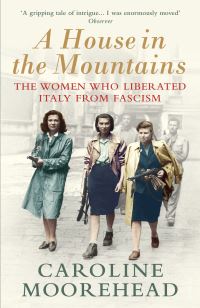
In the late summer of 1943, when Italy changed sides in the War and the Germans, now their enemies, occupied the north of the country, an Italian Resistance was born. Ada, Frida, Silvia and Bianca were four young Piedmontese women who joined the Resistance, living secretively in the mountains surrounding Turin. They were not alone. Between 1943 and 1945, as the Allies battled their way north, thousands of men and women throughout occupied Italy rose up and fought to liberate their country from the German invaders and their Fascist collaborators. What made the partisan war all the more extraordinary was the number of women in its ranks. The bloody civil war that ensued across the country pitted neighbour against neighbour, and brought out the best and worst in Italian society.
-
£8.99
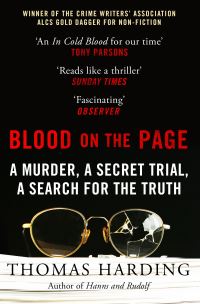
In June 2006, police were called to 9 Downshire Hill in Hampstead to investigate reports of unusual card activity. The owner of the house, Allan Chappelow, was an award-winning photographer and biographer, and a notorious recluse, who had not been seen for several weeks. Inside they found piles of rubbish, trees growing through the floor, and, in what was once the living room, the body of Chappelow, battered to death, and buried under four-feet of page proofs. The man eventually convicted of his murder was a Chinese dissident named Wang Yam: the grandson of one of Mao’s closest aides, and a key negotiator in the Tiananmen Square protests. His trial was the first in the UK to be held ‘in camera’: behind closed doors, and without access to the press or public. Yam has always protested his innocence – admitting to the card fraud, but claiming no knowledge of the murder.