Showing 1–12 of 60 resultsSorted by latest
-
£22.00
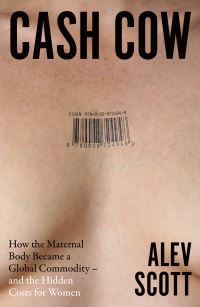
‘Captivating, mind-boggling and deeply disturbing’ – Maureen Freely
‘Humane, thoughtful and urgent – this book will make you think, make you laugh, make you cry, but also make you burn with rage’ – Dr Mary Wellesley
A thought-provoking deep dive into the global fertility industry and the commodification of the maternal body
-
£22.00
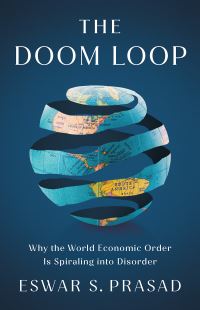
Global institutions have failed to adapt to today’s political-economic realities. What went wrong, and how can we reverse our descent into chaos?
-
£12.99
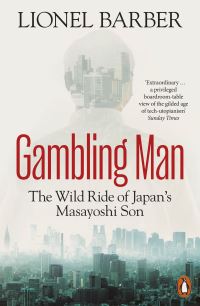
Japan’s Masayoshi Son has made and lost several fortunes, investing or controlling assets worth $1trn in the past two decades through his media-tech giant, SoftBank. He bankrolled Alibaba, China’s internet colossus, before the world had heard about it; plotted with Steve Jobs to turn the iPhone into a wonder product; and financed hundreds of tech start-ups, fuelling the biggest boom Silicon Valley has ever seen. This book takes you on Masa’s wild ride, from his birthplace in a Korean slum in post-war Japan to the modern-day temples of power.
-
£10.99
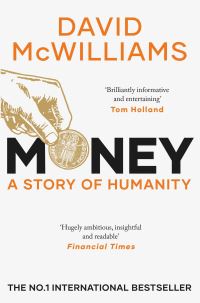
For readers of SAPIENS and Yanis Varoufakis, the definitive story of money and how it shaped humankind from influential global economist David McWilliams
Â
-
£25.00
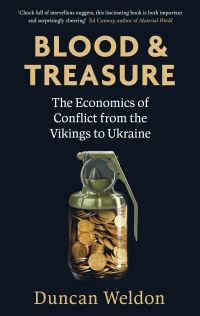
Wars are expensive, both in human terms and monetary ones. Since at least the 1640s, in the aftermath of the British Civil Wars, the phrase ‘blood and treasure’ has sought to encapsulate these costs.Two economic notions, in particular, feature in this book: incentives and institutions. A rational look at incentives explains even the most seemingly irrational behaviour – and few things are as irrational as war. This book examines why Genghis Khan should be regarded as the father of globalisation, how New World gold and silver kept Spain poor, why some economists think of witch trials as a form of ‘non-price competition’, how pirate captains were pioneers of effective HR techniques, how handing out medals hurt the Luftwaffe in the Second World War and why economic theories helped to create a tragedy in Vietnam.
-
£22.00
WHAT THE FUTURE LOOKS LIKE TO MOST PEOPLE. AND WHAT WE CAN DO ABOUT IT.
-
£25.00
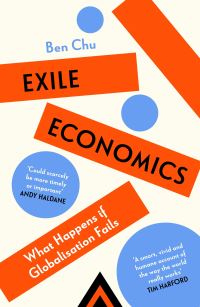
The dangerous race for self-sufficiency has begun. Be warned. Nations are turning away from each other. Faith in globalisaton has been fatally undermined by the pandemic, the energy crisis, surging trade frictions and swelling great power rivalry. A new vision is vying to replace what we’ve known for many decades. This vision – ‘Exile Economics’ – entails a rejection of interdependence, a downgrading of multilateral collaboration and a striving for greater national self-sufficiency. The supporters of this new order argue it will establish genuine security, prosperity and peace. But is this promise achievable? Or a seductive delusion? Through the stories of globally traded commodities, economics journalist Ben Chu illustrates the intricate web of interdependence that has come to bind nations together – and underlines the dangers of this new push to isolationism.
-
£10.99
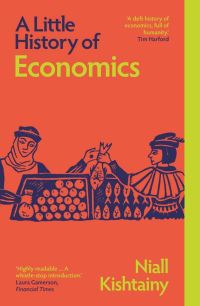
This is a lively, account of the history of economics, told through events from ancient to modern times and through the ideas of great thinkers in the field. From Adam Smith to Karl Marx and the invention of money to the Great Depression, this text illuminates the economic forces that shape our world.
-
£10.99
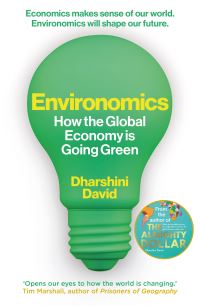
From the author of The Almighty Dollar comes this urgent and illuminating exploration of the rapidly changing global green economy, lifting the lid on what it means for us all.
-
£22.00
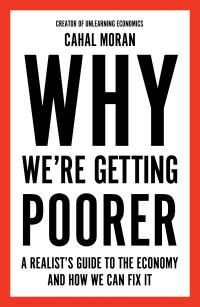
An insider’s guide to our broken economy and how it fails to serve us.
-
£22.00
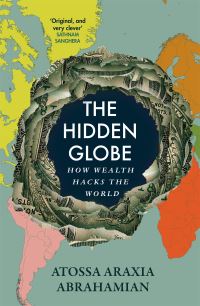
Borders draw one map of the world; money draws another. A journalist’s riveting account exposes a parallel universe exempt from the laws of the land and reveals how it became a haven for the rich and powerful.
-
£22.00
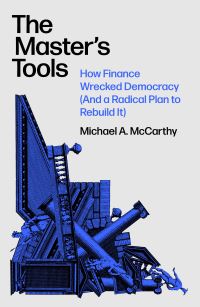
Finance serves the rich and powerful. We need to democratize it.