Jerusalem Falls
£25.00The first full account of the medieval struggle for Jerusalem, from the seventh to the thirteenth century
We recently launched our new website and are facing a few teething issues. If you see any problems please contact us.
We recently launched our new website and are facing a few teething issues. If you see any problems please contact us.

Showing 25–36 of 55 resultsSorted by latest
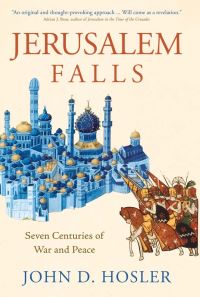
The first full account of the medieval struggle for Jerusalem, from the seventh to the thirteenth century
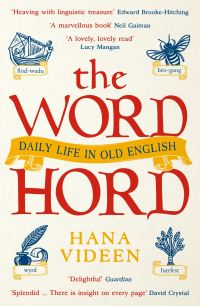
Old English is the language we think we know until we actually see it. Used in England over a thousand years ago, it is rich with words that haven’t changed (word), others that are unrecognisable (neorxnawang – paradise) and some that are curiously mystifying (gafol-fisc – tax-fish). In this beautiful little book, Hana Videen has gathered these gems together to create a glorious trove and illuminate the lives, beliefs and habits of our linguistic ancestors. We discover a world where choking on a bit of bread might prove your guilt, where fiend-ship was as likely as friend-ship, and you might grow up to be a laughter-smith. These are the magical roots of our own language: you’ll never see English in the same way again.
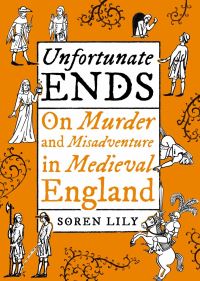
From the creator of Twitter’s Medieval Death Bot comes ‘Unfortunate Ends’, an illuminating collection of in-depth looks at some of the most interesting cases from medieval coroners’ rolls. From the bizarre to the mundane, each death tells a tale from a dangerous time to be alive, and even to die. Coroners’ rolls list every inquest held for a death by misadventure – or accident – as well as grisly murders, some witnessed by others, some only coming to light when the hidden body was found. A handful of these deaths rise to the top, their tales too ridiculous or heartbreaking to not be spun again for the modern ear.
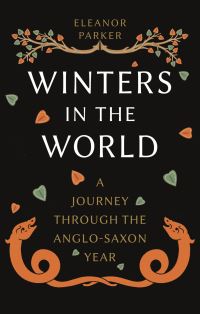
‘Winters in the World’ is a beautifully observed journey through the cycle of the year in Anglo-Saxon England, exploring the festivals, customs, and traditions linked to the different seasons. Drawing on a wide variety of source material, including poetry, histories, and religious literature, Eleanor Parker investigates how Anglo-Saxons felt about the annual passing of the seasons and the profound relationship they saw between human life and the rhythms of nature. Many of the festivals celebrated in the United Kingdom today have their roots in the Anglo-Saxon period, and this book traces their surprising history while unearthing traditions now long forgotten. It celebrates some of the finest treasures of medieval literature and provides an imaginative connection to the Anglo-Saxon world.
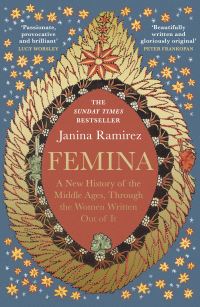
BBC historian Janina Ramirez has uncovered countless influential women’s names struck out of historical records, with the word ‘FEMINA’ annotated beside them. Male gatekeepers of the past ordered books to be burnt, artworks to be destroyed, and new versions of myths, legends and historical documents to be produced, which has manipulated our view of history. By weaving a vivid and evocative picture of the lives of the women who influenced their society, we discover not just why these remarkable individuals were removed from our collective memories, but also how many other misconceptions underpin our historical narratives, altering the course of history, upholding the oppressive masculine structures of their present, and affecting our contemporary view of the past.
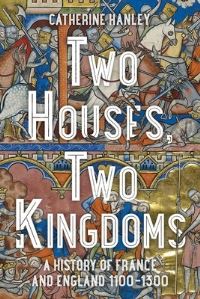
An exhilarating chronicle of the ruling families of France and England, showing how two dynasties formed one extraordinary story
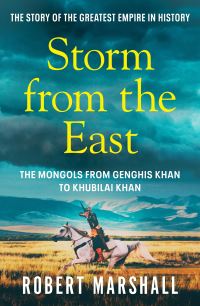
Genghis Khan left an empire more than twice the size of Alexander’s: his successors went on to conquer and govern an area stretching from Korea to the River Danube. How did a band of nomadic herdsmen achieve so much, so fast? Despite these stunning achievements, many writers dismiss the Mongols as just ferocious barbarians. This book sets the record straight. The epic starts in 1206 – when Genghis became master of ‘all the people with felt tents’ and an unknown tribe took the first steps towards world domination – and ends with the empire’s decline and fall, after Khubilai Khan’s triumphant unification with China. Robert Marshall describes their devastating invasions, including that of feudal Europe and Christendom’s clumsy attempts to understand and fend off these legendary warriors.
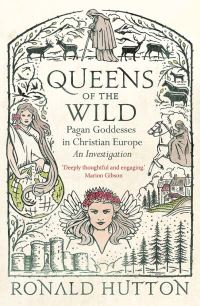
A concise history of the goddess-like figures who evade both Christian and pagan traditions, from the medieval period to the present day
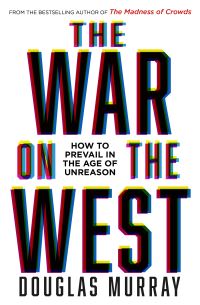
SUNDAY TIMES NUMBER ONE BESTSELLER
The brilliant and provocative new book from one of the world’s foremost political writers
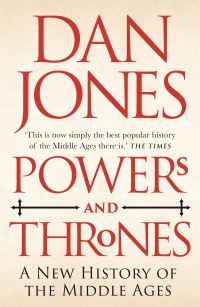
Dan Jones’s epic new history tells nothing less than the story of how the world we know today came to be built.
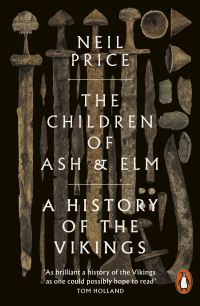
The Viking Age – between 750 and 1050 – saw an unprecedented expansion of the Scandinavian peoples. As traders and raiders, explorers and colonists, they reshaped the world between eastern North America and the Asian steppe. For a millennium, though, their history has largely been filtered through the writings of their victims. Based on the latest archaeological and textual evidence, this book tells the story of the Vikings on their own terms: their politics, their cosmology, their art and culture. From Björn Ironside, who led an expedition to sack Rome, to Gudrid Thorbjarnardóttir, the most travelled woman in the world, Price shows us the real Vikings, not the caricatures they have become in popular culture and history.
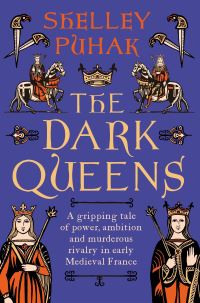
A double biography of two forgotten Early Medieval queens: Brunhild and Fredegund.
No products in the basket.
Notifications