Showing all 9 resultsSorted by latest
-
£22.00
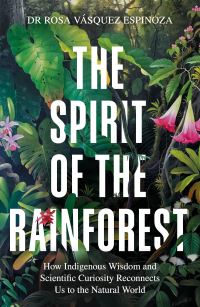
Dr Rosa is no stranger to the Amazon. Growing up with the rainforest as her back garden, she learnt the lessons of the rainforest from her grandmother, a native healer in natural medicine. She went on to pursue a classical education in science, gaining a PhD in the US, but has always been pulled back to the heart of the Amazon. As a leading biologist in her field, Rosa continues to explore the region through a unique blend of scientific inquiry and ancient insight. In this debut, you’ll learn about Dr Rosa’s journeys in the Amazon: her treacherous encounters with a boiling river, her conservation work with stingless bees, her experience of taking ayahuasca as a natural psychedelic – and all the amazing biodiversity of the rainforest. At the heart of Rosa’s expedition is her passion to combine science with the indigenous knowledge of the Amazon.
-
£22.00
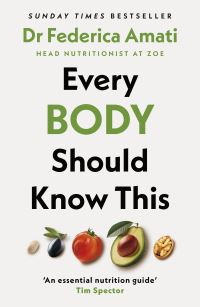
In theory, we all know what works and doesn’t work for our bodies; we know that we should eat more vegetables, consume less refined sugar and saturated fat, avoid ultra-processed foods. We know that what we choose to eat has a direct consequence on our health and our happiness. But we have lost touch with our food; it’s produced far away from our day to day lives and often arrives prepared and pre-packed to our homes, our desks and our supermarkets. We have built a food environment that is based on food marketing and arbitrary targets, instead of responding to our biology and nourishing ourselves as individuals. Dr Amati explains how to make the most beneficial decisions for maintaining good health at every stage of life. This book combines nutrition, medical science and public health advice to create a simple guide to what we should all know about our food and how it affects us.
-
£9.99
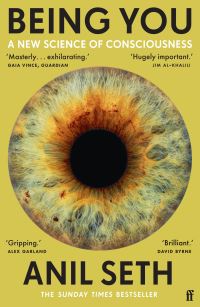
Anil Seth’s radical new theory of consciousness challenges our understanding of perception and reality, doing for brain science what Dawkins did for evolutionary biology. Consciousness is the great unsolved mystery in our scientific understanding of the brain. Somewhere, somehow, inscribed in the brain is everything that makes you you. But how do we grasp what happens in the brain to turn mere electrical impulses into the vast range of perceptions, thoughts and emotions we feel from moment to moment? Anil Seth, one of Britain’s leading neuroscientists, charts the developments in our understanding of consciousness, revealing radical interdisciplinary breakthroughs that must transform the way we think about the self.
-
£9.99
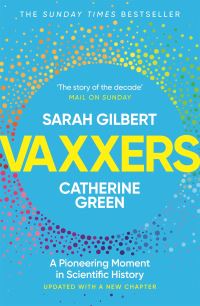
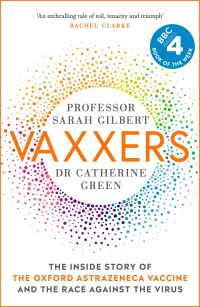
On 1 January 2020, Sarah Gilbert, Professor of Vaccinology at Oxford University, read an article about four people in China with a strange pneumonia. Within two weeks, she had designed a vaccine against a pathogen that no one had ever seen before. 12 months later, vaccination is being rolled out across the world to save millions of lives from Covid-19. In this book, we hear directly from Professor Gilbert and her colleague Dr Cath Green as they reveal the inside story of making the Oxford vaccine and the cutting-edge science behind it. This is their story of trying to fight a pandemic as ordinary people in extraordinary circumstances. Sarah and Cath share the heart-stopping moments in the eye of the storm; they separate fact from fiction; they explain how they made a safe vaccine in record time with the eyes of the world watching; and they give us hope for the future.
-
£12.99
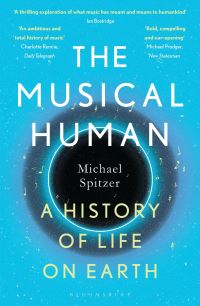
‘The Musical Human’ takes us on an exhilarating journey across the ages – from Bach to BTS and back – to explore the vibrant relationship between music and the human species. With insights from a wealth of disciplines, world-leading musicologist Michael Spitzer renders a global history of music on the widest possible canvas, looking at music in our everyday lives; music in world history; and music in evolution, from insects to apes, humans to AI. Through this journey we begin to understand how music is central to the distinctly human experiences of cognition, feeling and even biology, both widening and closing the evolutionary gaps between ourselves and animals in surprising ways. The book boldly puts the case that music is the most important thing we ever did; it is a fundamental part of what makes us human.
-
£10.99
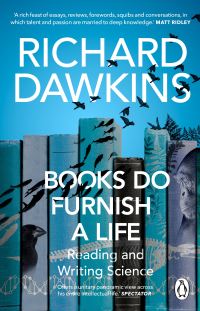
Including conversations with Neil DeGrasse Tyson, Steven Pinker, Matt Ridley and more, this is an essential guide to the most exciting ideas of our time and their proponents from our most brilliant science communicator. ‘Books Do Furnish a Life’ is divided by theme, including celebrating nature, exploring humanity and interrogating faith. For the first time, it brings together Richard Dawkins’ forewords, afterwords and introductions to the work of some of the leading thinkers of our age – Carl Sagan, Lawrence Krauss, Jacob Bronowski, Lewis Wolpert – with a selection of his reviews to provide an electrifying celebration of science writing, both fiction and non-fiction.
-
£9.99
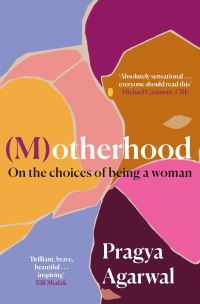
In a world where women have more choices than ever, society nevertheless continues to exert the stigma and pressures of less enlightened times when it comes to childbirth, defining women by whether they embrace or reject motherhood, and whether they can have children or not. Dr Pragya Agarwal uses her own varied experiences and choices around motherhood to examine the broader societal and scientific factors that drive how we think and talk about this issue – including education, economic status, feminism, race and more.
-
£20.00
On 1 January 2020, Sarah Gilbert, Professor of Vaccinology at Oxford University, read an article about four people in China with a strange pneumonia. Within two weeks, she had designed a vaccine against a pathogen that no one had ever seen before. 12 months later, vaccination is being rolled out across the world to save millions of lives from Covid-19. In this book, we hear directly from Professor Gilbert and her colleague Dr Cath Green as they reveal the inside story of making the Oxford vaccine and the cutting-edge science behind it. This is their story of trying to fight a pandemic as ordinary people in extraordinary circumstances. Sarah and Cath share the heart-stopping moments in the eye of the storm; they separate fact from fiction; they explain how they made a safe vaccine in record time with the eyes of the world watching; and they give us hope for the future.
-
£10.99
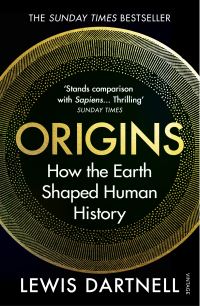
Why is the world the way it is? What forces have forged our planet and how have they in turn governed our evolution, influenced the rise and fall of civilisations through history, and ultimately shaped the story of humanity? Lying imperceptibly beneath everything we encounter in the modern world is a vast architecture of causal links, chains of consequences that explain why things are the way they are. ‘Origins’ is the story of this connectivity; it’s not about what we’ve done to our environment, but about what our environment has done to us. We range from the deep roots behind everyday realities, like why do most of us eat cereal for breakfast, to the profound factors that enabled life to make transitions in evolution.