Rebel Island
£12.99An essential guide to Taiwan’s past and present, providing invaluable context at a time of escalating tension over its future.

Showing 1–12 of 52 resultsSorted by latest
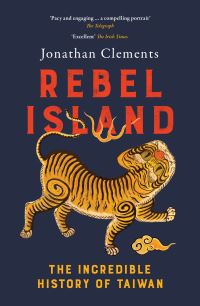
An essential guide to Taiwan’s past and present, providing invaluable context at a time of escalating tension over its future.
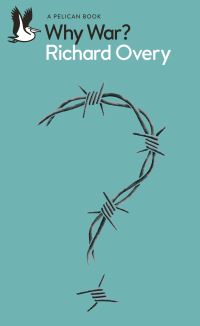
There can be few more important but also more contentious issues than attempting to understand the human propensity for conflict. Our history is inextricably tangled in wave after wave of inter-human fighting from as far back as we have records. How can we make sense of what Einstein called ‘the dark places of human will and feeling’? Richard Overy draws on a lifetime’s study of conflict to write this challenging, invaluable book.
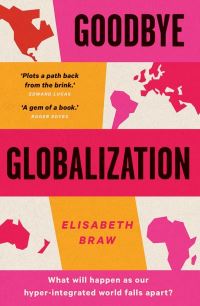
After the Cold War, globalization accelerated at breakneck speed. Manufacturing, transport, and consumption defied national borders, companies made more money, and consumers had access to an ever-increasing range of goods. But in recent years, a profound shift has begun to take place. Business executives and politicians alike are realising that globalization is no longer working. Supply chains are imperilled, Russia has been expelled from the global economy after its invasion of Ukraine, and China is using these fissures to leverage a strategic advantage. Given these pressures, what will the future of our world economy look like? In this groundbreaking account, Elisabeth Braw explores the collapse of globalization and the profound challenges it will bring to the West.
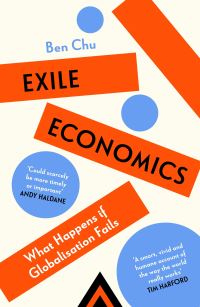
The dangerous race for self-sufficiency has begun. Be warned. Nations are turning away from each other. Faith in globalisaton has been fatally undermined by the pandemic, the energy crisis, surging trade frictions and swelling great power rivalry. A new vision is vying to replace what we’ve known for many decades. This vision – ‘Exile Economics’ – entails a rejection of interdependence, a downgrading of multilateral collaboration and a striving for greater national self-sufficiency. The supporters of this new order argue it will establish genuine security, prosperity and peace. But is this promise achievable? Or a seductive delusion? Through the stories of globally traded commodities, economics journalist Ben Chu illustrates the intricate web of interdependence that has come to bind nations together – and underlines the dangers of this new push to isolationism.
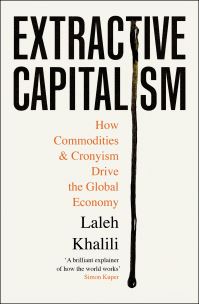
Whether it’s pumping oil, mining resources or shipping commodities across oceans, the global economy runs on extraction. Promises of frictionless trade and lucrative speculation are the hallmarks of our era, but the backbone of globalisation is still low-cost labour and rapacious corporate control. Extractive capitalism is what made – and is still making – our unequal world. Professor Laleh Khalili reflects on the hidden stories behind late capitalism, from seafarers abandoned on debt-ridden container ships to the nefarious reach of consultancy firms and the cronyism that drives record-breaking profits.
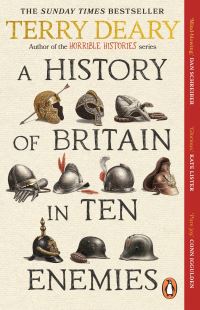
Ah, Britain. So special. The greatest nation on Earth, some say. And we did it all on our own. Didn’t we? Well, as it happens Britannia got its name from the Romans, and for the past two centuries we have been ruled by Germans. But then, as ‘Horrible Histories’ author Terry Deary argues, nations and their leaders are defined by the enemies they make. The surprisingly sadistic Boudica would be forgotten if it weren’t for the Ninth Legion, Elizabeth I a minor royal without the Spanish Armada, and Churchill an opposition windbag without the Nazis. Britain loves its heroes so much we have been known to pickle them in brandy to keep them fresh. This book is an entertaining gallop through history that will have you laughing as you find out what they didn’t teach you in school.
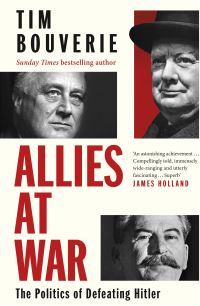
After the fall of France in June 1940, only Britain stood between Hitler and total victory. Desperate for allies, Winston Churchill did everything he could to bring the United States into the conflict, drive the Soviet Union and Nazi Germany apart and persuade neutral countries to resist German domination. By 1942, after the German invasion of Russia and the Japanese attack on Pearl Harbor, the British-Soviet-American alliance was in place. Yet it was an improbable and incongruous coalition, divided by ideology and politics and riven with mistrust and deceit. Churchill, Roosevelt and Stalin were partners in the fight to defeat Hitler, yet they were also rivals who disagreed on strategy, imperialism and the future of liberated Europe. Only by looking at their points of conflict, as well as of co-operation, are we able to understand the course of the war and world that developed in its aftermath.
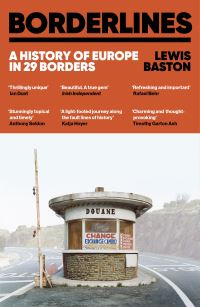
Europe’s internal borders have rarely been ‘natural’; they have more often been created by accident or force. Successive powers have redrawn the map of our continent, with varying degrees of success: the fingerprints of Napoleon, Alexander I, Castlereagh, Napoleon III and Bismarck are all there, but the present shape of Europe is mostly the work of the Allies in 1919 and Stalin in 1945. In this book, writer and political historian Lewis Baston journeys along and across key borders from west to east Europe, to explore their history. He explores how places and people heal from the scars, physical and psychological, left by a Europe of ethnic cleansing and barbed wire fences.
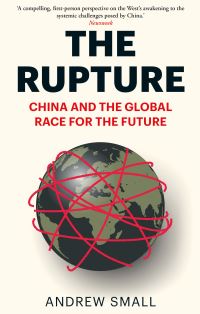
The gripping story of a turning point in global affairs, as politicians belatedly awaken to serious systemic threats.
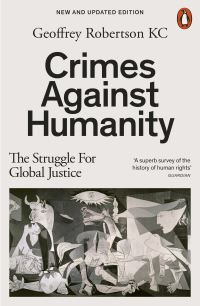
Geoffrey Robertson QC explains why we must hold political and military leaders accountable for genocide, torture and mass murder. He shows how human rights standards can be enforced against cruel governments, armies and multi-national corporations. This seminal work contains a critical perspective on events such as the invasion of Iraq, the abuses at Abu Ghraib, the killings in Darfur, the death of Milosevic and the trial of Saddam Hussein. Cautiously optimistic about ending impunity, but unsparingly critical of diplomats, politicians, Bush lawyers and others who evade international rules, this book will provide further guidance to a movement which aims to make justice predominant in world affairs.
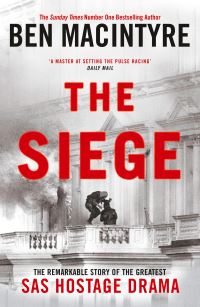
On April 30, 1980, six heavily armed gunmen burst into the Iranian embassy on Princes Gate, overlooking Hyde Park in London. There they took 26 hostages, including embassy staff, visitors, and three British citizens. A tense six-day siege ensued as millions gathered around screens across the country to witness the longest news flash in British television history, in which police negotiators and psychiatrists sought a bloodless end to the standoff, while the SAS – hitherto an organisation shrouded in secrecy – laid plans for a daring rescue mission: Operation Nimrod. Drawing on unpublished source material, interviews with the SAS, and testimony from witnesses including hostages, negotiators, intelligence officers and the on-site psychiatrist, historian Ben Macintyre takes readers on a journey from the years and weeks of build-up on both sides, to the minute-by-minute account of the siege and rescue.
No products in the basket.
Notifications