Land
£9.99From the bestselling author Simon Winchester, a human history of land around the world: who mapped it, owned it, stole it, cared for it, fought for it and gave it back.
We recently launched our new website and are facing a few teething issues. If you see any problems please contact us.
We recently launched our new website and are facing a few teething issues. If you see any problems please contact us.

Showing all 9 resultsSorted by latest
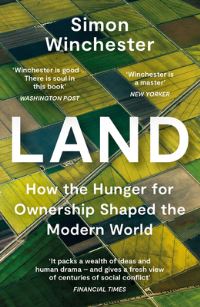
From the bestselling author Simon Winchester, a human history of land around the world: who mapped it, owned it, stole it, cared for it, fought for it and gave it back.
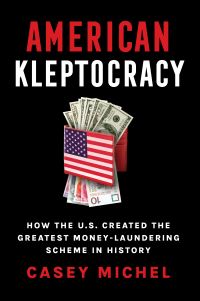
For years, one country has acted as the greatest offshore haven in the world, attracting hundreds of billions of dollars in illicit finance tied directly to corrupt regimes, extremist networks, and the worst the world has to offer. But it hasn’t been the sand-splattered Caribbean islands, or even traditional financial secrecy havens like Switzerland or Panama that have come to dominate the offshoring world. Instead, the country profiting the most also happens to be the one that still claims to be the moral leader of the free world, and the one that claims to be leading the fight against the crooked and the corrupt: the United States of America. This book examines just how the United States’ implosion into a centre of global offshoring took place.
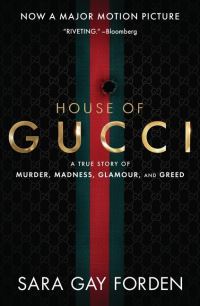
On March 27, 1995, Maurizio Gucci, heir to the fabulous fashion dynasty, was slain by an unknown gunman as he approached his Milan office. In 1998, his ex-wife Patrizia Reggiani Martinelli – nicknamed ‘The Black Widow’ by the press – was sentenced to 29 years in prison, for arranging his murder. Did Patrizia murder her ex-husband because his spending was wildly out of control? Did she do it because her glamorous ex was preparing to marry his mistress, Paola Franchi? Or is there a possibility she didn’t do it at all? The Gucci story is one of glitz, glamour, intrigue, the rise, near fall and subsequent resurgence of a fashion dynasty.
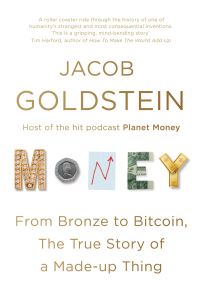
Humans invented money from nothing, so why can’t we live without it? And why does no one understand what it really is? In this lively tour through the centuries, Jacob Goldstein charts the story of this paradoxical commodity, exploring where money came from, why it matters and whether bitcoin will still exist in twenty years. Full of interesting stories and quirky facts – from the islanders who used huge stones as a means of exchange to the merits of universal basic income – this is an indispensable handbook for anyone curious about how money came to make the world go round.
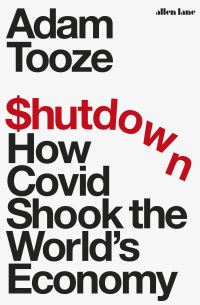
When the news first began to trickle out of China about a new virus in December 2019, risk-averse financial markets were alert to its potential for disruption. Yet they could never have predicted the total economic collapse that would follow, as stock markets fell faster and harder than at any time since 1929, currencies across the world plunged, investors panicked, and even gold was sold. In a matter of weeks, the world’s economy was brought to an abrupt halt. Flights were grounded; supply chains broken; industries from tourism to oil to hospitality collapsed overnight. Central banks responded with unprecedented interventions, just to keep their economies on life-support. The pandemic struck the three great global economic hubs – China, Europe and the United States. This book tells the story of that shutdown. We do not yet know how this story ends, or what new world we will find on the other side.

The experience of the last decade has not been kind to the image of economists: asleep at the wheel (perhaps with the foot on the gas pedal) in the run-up to the great recession, squabbling about how to get out of it, tone-deaf in discussions of the plight of Greece or the Euro area; they seem to have lost the ability to provide reliable guidance on the great problems of the day. In this ambitious, provocative book Abhijit V. Banerjee and Esther Duflo show how traditional western-centric thinking has failed to explain what is happening to people in a newly globalised world: in short Good Economics has been done badly.
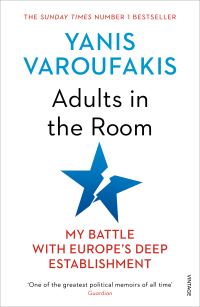
What happens when you take on the establishment? In this blistering, personal account, world-famous economist Yanis Varoufakis blows the lid on Europe’s hidden agenda and exposes what actually goes on in its corridors of power. Varoufakis sparked one of the most spectacular and controversial battles in recent political history when, as finance minister of Greece, he attempted to re-negotiate his country’s relationship with the EU. Despite the mass support of the Greek people and the simple logic of his arguments, he succeeded only in provoking the fury of Europe’s political, financial and media elite. But the true story of what happened is almost entirely unknown – not least because so much of the EU’s real business takes place behind closed doors.
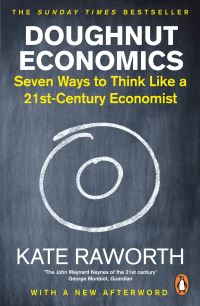
Remorseless financial crises. Extreme inequalities in wealth. Relentless pressure on the environment. Anyone can see that our economic system is broken. But can it be fixed? Here, Oxford academic Kate Raworth identifies the seven critical ways in which mainstream economics has led us astray – from selling us the myth of ‘rational economic man’ to obsessing over growth at all costs – and offers instead an alternative roadmap for bringing humanity into a sweet spot that meets the needs of all within the means of the planet.
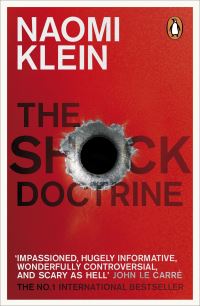
The story of how countries are shocked – by wars, terror attacks, coup d’etats, economic crisis and natural disasters. And of how countries are then shocked again – by those who exploit that shock to push through economic reforms that, rather than help a country rebuild itself, serve only to further break it down.
No products in the basket.
Notifications