Showing 13–16 of 16 resultsSorted by latest
-
£9.99
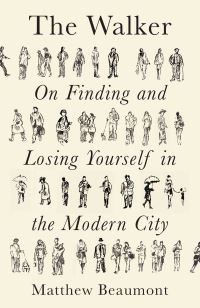
There is no such thing as the wrong step; every time we walk we are going somewhere. Moving around the modern city becomes more than getting from A to B, but a way of understanding who and where you are. In a series of riveting intellectual rambles, Matthew Beaumont, retraces a history of the walker. From Charles Dicken’s insomniac night rambles to wandering through the faceless, windswept monuments of the neoliberal city, the act of walking is one of escape, self-discovery, disappearances and potential revolution. Pacing stride for stride alongside such literary amblers and thinkers as Edgar Allen Poe, Andrew Breton, H G Wells, Virginia Woolf, Jean Rhys and Ray Bradbury, Matthew Beaumont explores the relationship between the metropolis and its pedestrian life.
-
£30.00
A beautiful gift for the adventurers in your family.
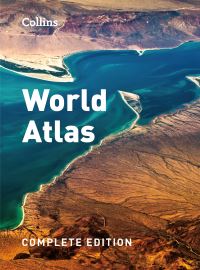
This atlas of the world presents a complete view of the world, bringing it to life through innovative maps, stunning images and detailed content. It offers an exciting perspective on how the planet is made up, how it looks and how it works.
-
£10.99
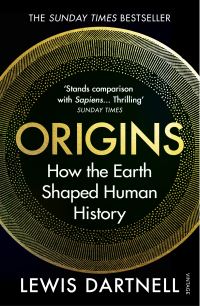
Why is the world the way it is? What forces have forged our planet and how have they in turn governed our evolution, influenced the rise and fall of civilisations through history, and ultimately shaped the story of humanity? Lying imperceptibly beneath everything we encounter in the modern world is a vast architecture of causal links, chains of consequences that explain why things are the way they are. ‘Origins’ is the story of this connectivity; it’s not about what we’ve done to our environment, but about what our environment has done to us. We range from the deep roots behind everyday realities, like why do most of us eat cereal for breakfast, to the profound factors that enabled life to make transitions in evolution.
-
£10.99
South Asia’s history has been shaped by its waters. In ‘Unruly Waters’, historian Sunil Amrith reimagines this history through the stories of its rains, rivers, coasts, rivers, and seas – and of the weather-watchers and engineers, mapmakers and farmers who have sought to control them. He shows how fears and dreams of water have, throughout South Asia, shaped visions of political independence and economic development, provoked efforts to reshape nature through dams and pumps, and unleashed powerful tensions within and between nations. Every year humans have watched with overwhelming anxiety for the nature of that year’s monsoon to be revealed, with entire populations living or dying on the outcome. From the first small weather-reporting stations to today’s satellites, the modern battle both to understand and manage water has literally been a matter of life or death.