The Next Crisis
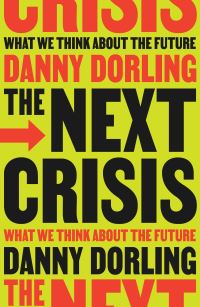
£22.00WHAT THE FUTURE LOOKS LIKE TO MOST PEOPLE. AND WHAT WE CAN DO ABOUT IT.

Showing 1–12 of 16 resultsSorted by latest
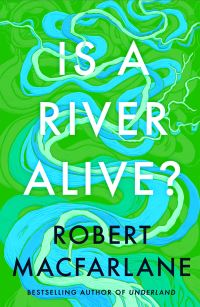
At the heart of ‘Is a River Alive?’ is a single, transformative idea: that rivers are not mere matter for human use, but living beings, who should be recognised as such in both imagination and law. Macfarlane takes the reader on a mind-expanding global journey into the history, futures, people and places of the ancient, urgent concept. Around the world, rivers are dying from pollution, drought and damming. But a powerful movement is also underway to recognize the lives and the rights of rivers, and to re-animate our relationships with these vast, mysterious presences whose landscapes we share. The young ‘rights of nature’ movement has lit up activists, artists, law-makers and politicians across six continents – and become the focus for revolutionary thinking about rivers in particular.
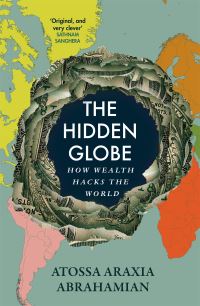
Borders draw one map of the world; money draws another. A journalist’s riveting account exposes a parallel universe exempt from the laws of the land and reveals how it became a haven for the rich and powerful.
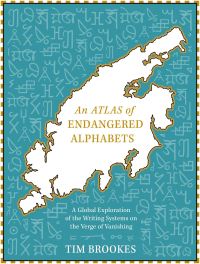
A global exploration of the many writing systems that are on the verge of vanishing, and the stories and cultures they carry with them. If something is important, we write it down. Yet 85% of the world’s writing systems are on the verge of vanishing – not granted official status, not taught in schools, discouraged and dismissed. When a culture is forced to abandon its traditional script, everything it has written for hundreds of years – sacred texts, poems, personal correspondence, legal documents, the collective experience, wisdom and identity of a people – is lost. This atlas is about those writing systems, and the people who are trying to save them.
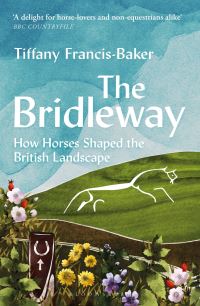
Tiffany Francis-Baker explores how the relationship between humans and horses has shaped the British landscape, how horses have captured our wild imaginations, and how this connection has evolved and become part of our nation’s ecosystems.
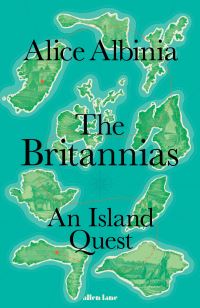
This is the story of Britain’s islands and how they are woven into its culture, history and collective psyche. From Neolithic Orkney and druidical Anglesey to the joys and strangeness of modern Thanet, we explore the furthest reaches of Britain’s island topography, once known by the collective term, Britanniae (the Britains). Alice Albinia takes the reader over borders and through disparate island cultures, past and present, listening to neglected voices and subversive stories. ‘The Britannias’ examines how the smaller islands have wielded disproportionate influence on the mainland, becoming the fertile ground of political, cultural and technological innovations which have gone on to change history throughout the archipelago.
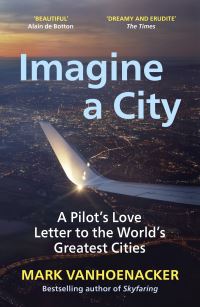
Mark Vanhoenacker grew up in his small hometown, spinning the illuminated globe in his bedroom and dreaming of elsewhere – of distant, real cities, and a perfect metropolis that existed only in his imagination. These places were the source of endless comfort and escape, and of a lasting fascination: streets unspooled, towers shone, and anonymous crowds bustled in cities where Mark could be anyone, perhaps even himself. Now, as a commercial airline pilot, Mark has spent nearly two decades crossing the skies of our planet, touching down in the cities he imagined as a child. He experiences our metropolises in short layover visits that repeat over weeks, months or even years, giving him a unique perspective on the urbanisation of the world. In this book, weaving travelogue with memoir, Mark celebrates the cities he has come to know and love, through the lens of the hometown his heart has never left.
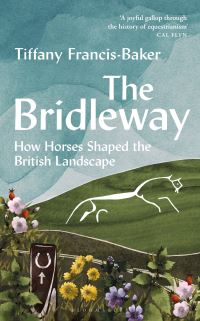
Tiffany Francis-Baker explores how the relationship between humans and horses has shaped the British landscape, how horses have captured our wild imaginations, and how this connection has evolved and become part of our nation’s ecosystems.
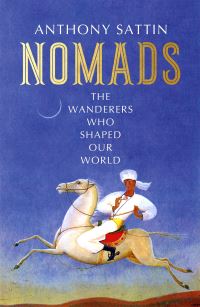
Moving across millennia, ‘Nomads’ explores the transformative and often bloody relationship between settled and mobile societies. Often overlooked in history, the story of the umbilical connections between these two very different ways of living presents a radical new view of human civilisation. From the Neolithic revolution to the 21st century via the rise and fall of the Roman Empire, the great nomadic empires of the Arabs and Mongols, the Mughals and the development of the Silk Road, nomads have been a perpetual counterbalance to the empires created by the power of human cities. Exploring evolutionary biology and psychology of restlessness that makes us human, Sattin’s sweeping history charts the power of nomadism from before the Bible, to its decline in the present day.
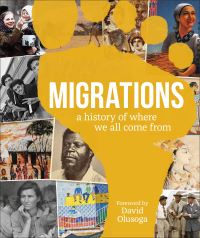
Discover how the migration of peoples has shaped the modern world. This book details the movement of people and cultures around the world – from the early migrations of Homo erectus out of Africa 50,000 years ago to modern refugee movements and migrations. Through striking photographs, evocative illustrations, and intimate first hand accounts, ‘Migrations’ explores famous (and infamous) movements in history, from the Middle Passage and Trail of Tears to the California Gold Rush and the Windrush generation.
This book considers gender perspectives on the implementation of digital technologies and smart solutions to effectively provide ‘mobility for all’ in urban spaces. It does so while attending to the agenda of creating green and inclusive cities.
No products in the basket.
Notifications