Showing 1–12 of 62 resultsSorted by latest
-
£25.00
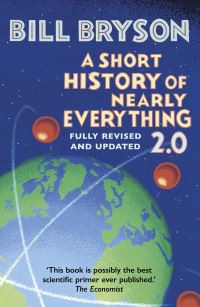
‘A Short History of Nearly Everything 2.0’ is the result of Bill Bryson’s quest to understand everything that has happened from the Big Bang to the rise of civilization – how we got from being nothing at all to what we are today. Now fully updated to include all the latest advances in science, it is more ground-breaking than ever before. Bryson makes complex subjects fascinating and accessible to everyone with an interest in the world around them.
-
£25.00
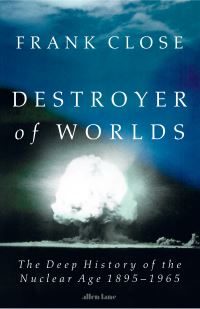
Henry Becquerel’s accidental discovery, in Paris in 1896, of a faint smudge on a photographic plate sparked a chain of discoveries which would unleash the atomic age. ‘Destroyer of Worlds’ is the story of how pursuit of this hidden source of nuclear power, which began innocently and collaboratively, was overwhelmed by the politics of the 1930s, and following devastation of Hiroshima and Nagasaki opened the way to a still more terrible possibility: a thermonuclear bomb, the so-called ‘backyard weapon’, that could destroy all life on earth – from anywhere.
-
£22.00
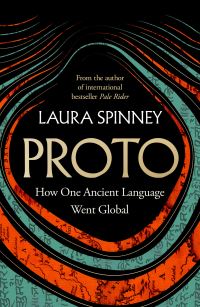
‘The fascinating story of ancient words ? new revelations await’ The Guardian
‘A truly extraordinary detective story’ Matt Ridley, author of The Evolution of Everything
________________________________
-
£12.99
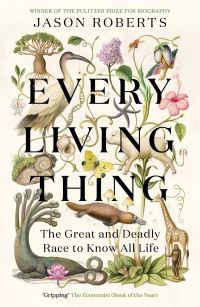
In the 18th century, two men dedicated their lives to the same daunting task: identifying and describing all life on Earth. Their approaches could not have been more different. Carl Linnaeus, a pious Swedish doctor with a huckster’s flair, believed that life belonged in tidy, static categories. Georges-Louis de Buffon, an aristocratic polymath and keeper of France’s royal garden, viewed life as a dynamic, ever-changing swirl of complexities. Both began believing their work to be difficult, but not impossible – how could the planet possibly hold more than a few thousand species? Stunned by life’s diversity, both fell far short of their goal. But in the process they articulated starkly divergent views on nature, on humanity’s role in shaping the fate of our planet, and on humanity itself. The rivalry between these two unique, driven individuals created reverberations that still echo today.
-
£10.99
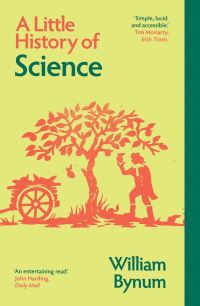
Emphasising surprising and personal stories of scientists both famous and unsung, ‘A Little History of Science’ traces the march of science through the centuries.
-
£10.99
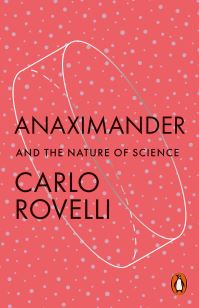
Carlo Rovelli restores Anaximander to his place in the history of science by carefully reconstructing his theories from what is known to us and examining them in their historical and philosophical contexts.
-
£22.00
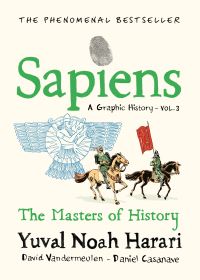
Sometimes history seems like a laundry list of malevolent monarchs, pompous presidents and dastardly dictators. But are they really the ones in the driving seat? This volume takes us on an immersive and hilarious ride through the human past to discover the forces that change our world, bring us together, and – just as often – tear us apart. Grab a front-row seat to the greatest show on earth and explore the rise of money, religion and empire. Join our fabulous host Heroda Tush, as she wonders: which historical superhero will display the power to make civilisations rise and fall?
-
£22.00
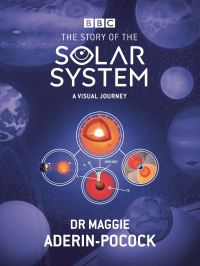
The BBC is the world’s oldest and most recognised public service broadcaster, with a mission to enrich people’s lives through programming that informs, educates, and entertains. At the heart of that mission is great storytelling, and ‘The Story of’ guides use those tools to bring big subjects to life. This volume will help you see the planets around us in a whole new light.
-
£10.99
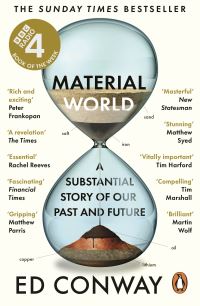
Sand, iron, salt, oil, copper and lithium. The struggle for these tiny, magical materials has razed empires, demolished civilisations, fed our greed and our ingenuity for thousands of years. But the story is not over. We are often told we now live in a weightless world of information but in fact we dug more stuff out of the earth in 2017 than in all of human history before 1950. And it’s getting worse. To make one bar of gold, we now have to dig 5000 tons of earth. For every tonne of fossil fuels, we extract six tonnes of other materials – from sand to stone to wood to metal. Even as we pare back our consumption of fossil fuels we have redoubled our consumption of everything else. Why? Because these ingredients build everything. They power our computers and phones, build our homes and offices, print our books and packaging.
-
£20.00
Explore the past, present and future of the everyday stuff in your home, from tinned food to tampons. Learn how 30,000 bath toys and the work of amateur beachcombers have helped scientists study ocean currents. Explore how the search for a death ray led to the creation of the microwave oven and ready meals. Discover the surprising link between sticky tape and the Nobel Prize. Uncover the extraordinary stories of ordinary objects in this book for curious minds.
-
£10.99
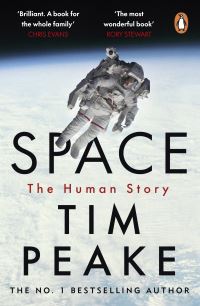
From author and astronaut Tim Peake, this is the captivating story of humans in space. Only 628 people in human history have left Earth. In this book, astronaut Tim Peake traces the lives of these remarkable men and women who have forged the way, from Yuri Gagarin to Neil Armstrong, from Valentina Tereshkova to Peggy Whitson. Full of exclusive new stories, and astonishing detail only an astronaut would know, the book conveys what space exploration is really like: the wondrous view of Earth, the surreal weightlessness, the extraordinary danger, the surprising humdrum, the unexpected humour, the newfound perspective, the years of training, the psychological pressures, the gruelling physical toll, the thrill of launch and the trepidation of re-entry.
-
£11.99
Science and religion have always been at each other’s throats, right?