Showing 1–12 of 16 resultsSorted by latest
-
£18.99
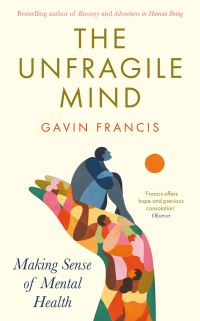
Between a quarter and a fifth of young people in the UK now suffer a mental disorder. One in four adults are prescribed psychiatric medication. These numbers represent a huge and recent expansion in mental health labelling, but reveal nothing of the experience of those seeking help. In ‘The Unfragile Mind’, Gavin draws on conversations with patients, colleagues, and his thirty years of practice to explore the chequered history of psychiatry, the nature of mental health and ill-health, and the problems – including mood disorders, trauma, anxiety and addiction – that he addresses daily. The mind, he argues, is dynamic and adaptive – better addressed not with rigid labels and protocols, but with curiosity, kindness, humility and hope.
-
£16.99
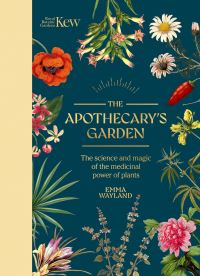
For centuries we have harnessed the ancient wisdom of botanical healing, with plants used for a multitude of remedies that nurture both body and soul. ‘Kew: The Apothecary’s Garden’ is a fascinating exploration of nature’s pharmacy and the healing power of plants, from soothing hops, chamomile and valerian, and invigorating guarana, maca and ginseng, to the infection-fighting turmeric and tea tree and the immunity-boosting turkey tail mushroom. Herbal remedies, natural tinctures, and the historical and botanical background of plants are revealed through expert text and beautiful illustrations from the renowned Kew archive.
-
£10.99
27th November 1918, London. Just 16 days after the end of the Great War, with the nation on its knees, Billie Carleton takes to the stage for the last time. She is found dead the next day in her bedroom. The cause of death: a cocaine overdose. The drugs were traced back to the Chinese community in Limehouse. And for nearly half a century, Billie Carleton’s case was to linger in popular imagination: a cautionary tale of the relationship between young girls, dope and predatory men. This is the story of how drug use was transformed into a national menace. It’s the story of how morphine and cocaine, once commonly available in any chemist’s shop, became the subject of vicious narratives targeting racial minorities and the working classes.
-
£10.99
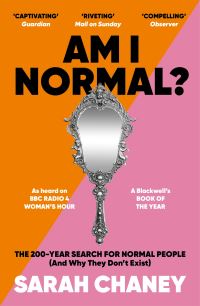
Sarah Chaney takes us on an eye-opening and surprising journey into the history of science, revisiting the studies, landmark experiments and tests that proliferated from the early 19th century to find answers to the question: what’s normal? These include a census of hallucinations – and even a UK beauty map (which claimed the women in Aberdeen were ‘the most repellent’). On the way she exposes many of the hangovers that are still with us from these dubious endeavours, from IQ tests to the BMI. Interrogating how the notion and science of standardisation has shaped us all, as individuals and as a society, this book challenges why we ever thought that normal might be a desirable thing to be.
-
£10.99
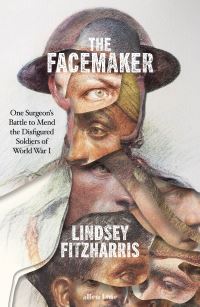
From the moment the first machine gun rang out over the Western Front, one thing was clear: mankind’s military technology had wildly surpassed its medical capabilities. The war caused carnage on an industrial scale, and the nature of trench warfare meant that thousands sustained facial injuries. In ‘The Facemaker’, award-winning historian Lindsey Fitzharris tells the true story of the pioneering plastic surgeon Harold Gillies, who dedicated himself to restoring the faces of a brutalized generation.
-
£16.99
Do you recoil in arachnophobic horror at the sight of a spider – or twitch with nomophobia when you misplace your mobile phone? Do your book-buying habits verge on bibliomania? Perhaps you find yourself mired in indecision and uncertainty? (Would it be reassuring to give this a name: aboulomania?) Our phobias and manias are contradictory and multiple: deeply intimate, yet forged by the times we live in – the commonest form of anxiety disorder, but rarely given a formal diagnosis. Plunge into this rich, surprising and fascinating A-Z compendium to discover how our fixations have taken shape, from pre-history to the present day, as award-winning author Kate Summerscale deftly traces the threads between the past and present, the psychological and social, the personal and the political.
-
£9.99
‘Indecently entertaining.’ A Daily Mail Book of the Week
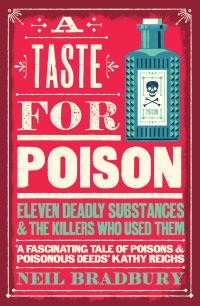
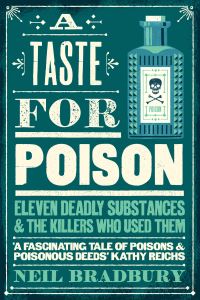
‘A fascinating tale of poisons and poisonous deeds which both educates and entertains.’ – Kathy Reichs
-
£10.99
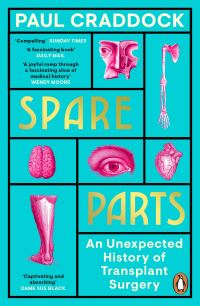
How did an architect help pioneer blood transfusion in the 1660s? Why did eighteenth-century dentists buy the live teeth of poor children? And what role did a sausage skin and an enamel bath play in making kidney transplants a reality? We think of transplant surgery as one of the medical wonders of the modern world but transplant surgery is as ancient as the pyramids, with a history more surprising than we might expect. Paul Craddock takes us on a journey – from sixteenth-century skin grafting to contemporary stem cell transplants – uncovering stories of operations performed by unexpected people in unexpected places.
-
£20.00
From the moment the first machine gun rang out over the Western Front, one thing was clear: mankind’s military technology had wildly surpassed its medical capabilities. The war caused carnage on an industrial scale, and the nature of trench warfare meant that thousands sustained facial injuries. In ‘The Facemaker’, award-winning historian Lindsey Fitzharris tells the true story of the pioneering plastic surgeon Harold Gillies, who dedicated himself to restoring the faces of a brutalized generation.
-
£20.00
‘Indecently entertaining.’ A Daily Mail Book of the Week
An Amazon US Best Book of 2022
‘A fascinating tale of poisons and poisonous deeds which both educates and entertains.’ – Kathy Reichs
-
£10.99
On the night of December 2, 1943, the Luftwaffe bombed a critical Allied port in Bari, Italy, sinking seventeen ships and killing over a thousand servicemen and hundreds of civilians. Caught in the surprise air raid was the John Harvey, an American Liberty ship carrying a top-secret cargo of 2,000 mustard bombs to be used in retaliation if the Germans resorted to gas warfare. After young sailors began suddenly dying with mysterious symptoms, Lieutenant Colonel Stewart Alexander, a doctor and chemical weapons expert, was dispatched to investigate. He quickly diagnosed mustard gas exposure, which both Churchill and Eisenhower denied. But Alexander’s breakthrough observations about the toxic effects of mustard on white blood cell were instrumental in ushering in a new era of cancer research.
-
£9.99
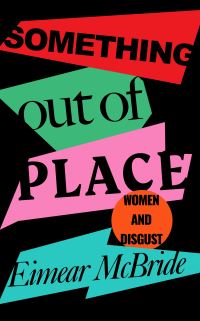
From playground taunts of ‘only sluts do it’ but ‘virgins are frigid’, to ladette culture, and the arrival of ‘ironic’ porn, via Debbie Harry, the Kardashians and the Catholic church – she looks at how this prejudicial messaging has played out in the past, and still surrounds us today. In this subversive essay, McBride asks – are women still damned if we do, damned if we don’t? How can we give our daughters (and sons) the unbounded futures we want for them? And, in this moment of global crisis, might our gift for juggling contradiction help us to find a way forward?