Showing 37–48 of 205 resultsSorted by latest
-
£18.99
History belongs to the heroes. But to get the full story, sometimes you have to ask the side characters. The lives of Leonardo da Vinci, Henry VIII and Queen Victoria fill bookshelves and fascinate scholars all over the world. But little attention is given to the ferret who posed for the renaissance master, the servant who oversaw the Tudor’s toilet time, or the famous horse who thrilled the miserable old monarch. These supporting cast members have been waiting in the wings for too long, and Adrian Bliss thinks it’s high time they join their glory-hogging contemporaries in the spotlight. Equal parts fascinating and hilarious, this book is a surreal love letter to life’s forgotten heroes featuring hitherto undocumented accounts from Ancient Greece to the frontlines of the Great Emu War.
-
£25.00
‘Land Between the Rivers’ is the result of ten years of research, writing, and thinking about the subject. It is an enormous topic: five thousand years, beginning with Gilgamesh at the edge of historical time. We begin the story with ancient Sumer, and Gilgamesh building the walls of Uruk (‘Iraq’) to make a great name for himself around the turn of the third millennium BC. We end it in 1958, as the last royal family of Iraq is slaughtered on the steps of a small royal palace in Baghdad, the most effervescent, free, and promising capital in the Middle East. Above all, the story of Iraq, the world’s hinge country, is that of the great clash pitting humanism against the outlooks of power and fate.
-
£25.00
In the wake of the 9/11 attacks, journalist Andrew North arrived in Afghanistan for the first time. Meanwhile, the lives of five young Afghans were about to change forever: Farzana had been banned from attending school as a child, but education would take her further than she could have imagined. Bilal’s dream of becoming a journalist was about to come true, but it would also expose him to untold danger. Abdul was on the cusp of finally becoming a doctor after his studies were delayed by years of war. Jahan’s shoe-shine business was beginning to take a completely unexpected turn. And Naqibullah’s life in a quiet province was soon to be shattered by the arrival of Western forces. ‘War & Peace & War’ tells their stories, and those of many others North came to know over twenty years.
-
£12.99
Emotionally scarred after witnessing the bloody climax of the Beslan school siege in Russia’s North Caucasus, in which 314 hostages died, Tom Parfitt set out on a journey. In ‘High Caucasus’, he shares his remarkable thousand-mile quest in search of personal peace – and a greater understanding of the roots of violence in a region whose fate has tragic parallels with the Ukraine of today.
-
£16.99
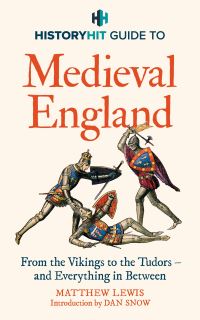
Have you ever wondered about Edgar {theling, the fourteen-year-old who took on William the Conqueror? Or about the woeful collapse of the Angevin Empire under King John? Or what about Eleanor Cobham, a noblewoman found guilty of witchcraft for predicting the death of the King? Join Matthew Lewis and the creators of History Hit on a guided tour spanning more than five centuries of English medieval history and witness spectacular changes in military, political and economic spheres. At home and overseas, England’s status and identity was in constant flux, and yet through it all, the nation withstood the turmoil of everything from the 9th century attack of the Great Heathen Army to the year of three kings in 1483 – just.
-
£25.00
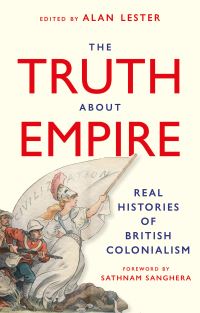
Sharp, authoritative essays on the dark realities of Empire and the true historian’s importance for democracy, amid history’s appropriation by apologists, racists and culture warriors.
-
£9.99
These are travel stories, ranging in space and time. Some are memories of re-imagined past, others more personal – all have a twist that prompts reflection about our place in the world. From the first recorded performance of ‘Hamlet’ (off the coast of Africa, in 1607) via the strange foundations on which probability theory was built and the forthright epitaphs of Suffolk gravestones, these explorations expand to include the pursuit of wine, a glittering dusk on the beach of Essaouira, the simit vendors of Istanbul, an elegy for Palmyra. And much more.
-
£25.00
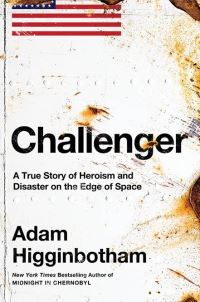
On the morning of the 28th of January 1986, just seventy-three seconds into flight, the space shuttle Challenger exploded over the Atlantic Ocean, killing all seven people on board. Like the assassination of JFK, the disaster is a defining moment in 20th century history – one that forever changed the way America thought of itself and its optimistic view of the future. Based on extensive archival research and meticulous, original reporting, this book follows a handful of central protagonists – including each of the seven members of the doomed crew – through the years leading up to the accident, a detailed account of the tragedy itself and into the investigation that followed.
-
£12.99
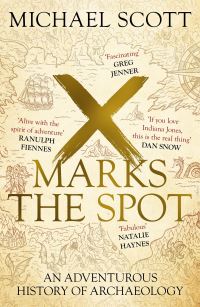
Ancient human footprints, stunning shipwrecks, mythical princesses and astonishing rituals. In ‘X Marks the Spot’ Professor Michael Scott traces the thrilling story of archaeology, from colonial expeditions to today’s cutting-edge digs, unearthing traps, curses and buried treasure along the way. We meet the characters, some celebrated and some forgotten, who found world-famous discoveries like the Rosetta Stone, the Terracotta Warriors and Machu Picchu. We trek from the jungles of South America to the deserts of China, uncovering the true stories behind the wonders of past civilisations. And we learn why X never, ever marks the spot.
-
£12.99
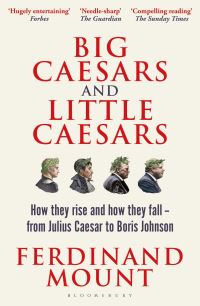
Who said that dictatorship was dead? The world today is full of strong men and their imitators. Caesarism is alive and well. Yet in modern times it’s become a strangely neglected subject. Ferdinand Mount opens up a fascinating exploration of how and why caesars seize power and why they fall. There is a comforting illusion shared by historians and political commentators from Fukuyama back to Macaulay, Mill and Marx, that history progresses in a nice straight line towards liberal democracy or socialism, despite the odd hiccup. In reality, every democracy, however sophisticated or stable it may look, has been attacked or actually destroyed by a would-be caesar, from Ancient Greece to the present day. Marx was wrong. This Caesarism is not an absurd throwback, it is an ever-present danger.
-
£30.00
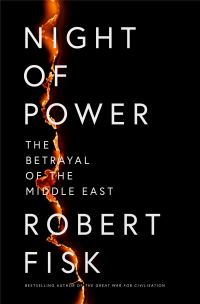
‘INCOMPARABLE DEPTH AND UNDERSTANDING?AND EXTRAORDINARY COURAGE’ NOAM CHOMSKY
The final work from foreign correspondent Robert Fisk, picking up the story in the Middle East where his internationally bestselling The Great War of Civilisation left off, starting with the aftermath of the Iraq invasion in 2005.
-
£10.99
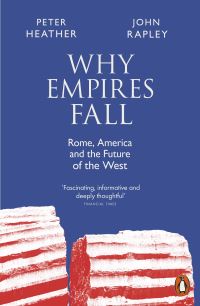
Over the last three centuries, the West rose to dominate the planet. Then, suddenly, around the turn of the millennium, history reversed. Faced with economic stagnation and internal political division, the West has found itself in rapid decline. But this is not the first time the global order has witnessed such a dramatic rise and fall. The Roman Empire followed a similar arc from dizzying power to disintegration – a fact that is more than a strange historical coincidence. In ‘Why Empires Fall’, Peter Heather and John Rapley use this Roman past to think anew about the contemporary West, its state of crisis, and what paths we could take out of it.

 7-Ingredient Mediterranean