Progress
£22.00‘A spirited skewering of the idea that things can only get better’ The Guardian
‘A new understanding of our past’ Danny Dorling, author of Inequality and the 1%
________________________________

 The winners
1 × £10.99
The winners
1 × £10.99  Anxious People
1 × £10.99 My friends
1 × £20.00
Anxious People
1 × £10.99 My friends
1 × £20.00 Subtotal: £41.98
Showing 1–12 of 205 resultsSorted by latest
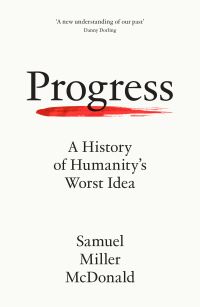
‘A spirited skewering of the idea that things can only get better’ The Guardian
‘A new understanding of our past’ Danny Dorling, author of Inequality and the 1%
________________________________
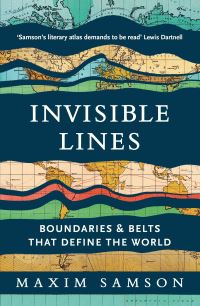
Our world has innumerable boundaries, ranging from the obvious – like oceans and mountain ranges – to the intangible – like subtle differences in language or climate. Most of us cross invisible lines all the time, but rarely do we stop to consider them. ‘Invisible Lines’ presents 30 such unseen boundaries, intriguing and unexpected examples of the myriad ways in which we collectively engage with and experience the world. From football fans in Buenos Aires to air quality in China, Paris’ banlieues to sub-Saharan Africa’s Malaria Belt, the invisible boundaries that shape our experiences and existence provide a compelling guide to seeing and understanding our world anew.
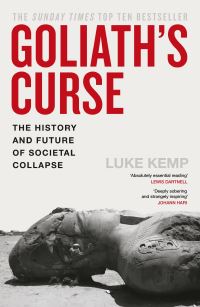
A new history of humanity told through the lens of collapse, from Neanderthals to AI, and what it means for our uncertain future.
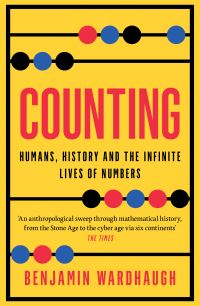
WHAT DOES IT MEAN TO COUNT? WHY ARE HUMANS THE ONLY SPECIES ON EARTH THAT CAN DO IT? WHERE DID COUNTING COME FROM? HOW HAS IT SHAPED SOCIETIES ALONG THE WAY? AND WHY DOES IT MATTER?
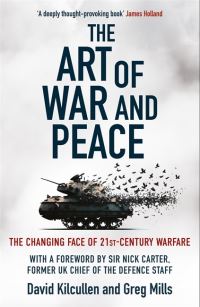
How have the character and technology of war changed in recent times? Why does battlefield victory often fail to result in a sustainable peace? What is the best way to prevent, fight and resolve future conflict? The world is becoming a more dangerous place. Since the fall of Kabul and Russia’s invasion of Ukraine, the US-led liberal international order is giving way to a more chaotic and contested world system. Western credibility and deterrence are diminishing in the face of wars in Europe and the Middle East, tensions across the Taiwan Strait, and rising populism and terrorism around the world.
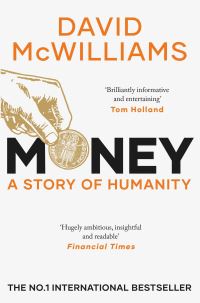
For readers of SAPIENS and Yanis Varoufakis, the definitive story of money and how it shaped humankind from influential global economist David McWilliams
Â
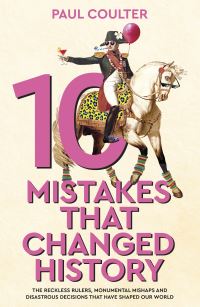
From breakups that ended empires to naps that sank ships, this title reveals how overlooked historical errors are responsible for some of the most era-defining events of the past. Featuring many of the most recognisable characters and episodes in history, from Cleopatra to the sinking of the Titanic, comedian and historian Paul Coulter reframes our understanding of these pivotal moments, revealing how human errors and their unintended outcomes have governed our world – and will likely determine our future.
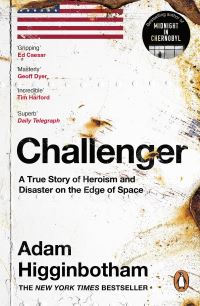
On the morning of the 28th of January 1986, just 73 seconds into flight, the space shuttle Challenger exploded over the Atlantic Ocean, killing all seven people on board. Like the assassination of JFK, the disaster is a defining moment in 20th century history – one that forever changed the way America thought of itself and its optimistic view of the future. Based on extensive archival research and meticulous, original reporting, this book follows a handful of central protagonists – including each of the seven members of the doomed crew – through the years leading up to the accident, a detailed account of the tragedy itself and into the investigation that followed.
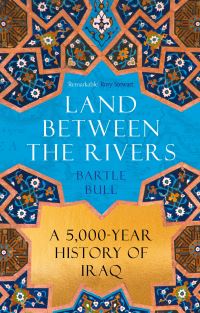
‘Land Between the Rivers’ is the result of ten years of research, writing, and thinking about the subject. It is an enormous topic: five thousand years, beginning with Gilgamesh at the edge of historical time. We begin the story with ancient Sumer, and Gilgamesh building the walls of Uruk (‘Iraq’) to make a great name for himself around the turn of the third millennium BC. We end it in 1958, as the last royal family of Iraq is slaughtered on the steps of a small royal palace in Baghdad, the most effervescent, free, and promising capital in the Middle East. Above all, the story of Iraq, the world’s hinge country, is that of the great clash pitting humanism against the outlooks of power and fate.
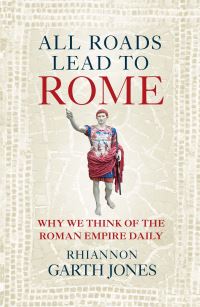
Explore the timeless influence of Ancient Rome in this compelling, insightful book, and learn how its legacy continues to shape our world today. Whether you’re interested in history, contemporary global issues, or you’re simply curious about why Rome remains relevant, this book offers a fresh perspective on the lasting significance of one of history’s most famous civilizations.
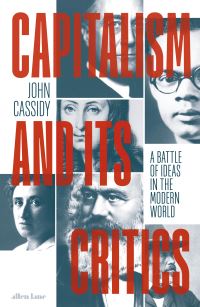
At a time when we are faced with fundamental questions about the sustainability and morality of the economic system, this book provides a kaleidoscopic history of global capitalism, from colonialism and the Industrial Revolution to the ecological crisis and artificial intelligence. John Cassidy adopts a bold new approach: he tells the story through the eyes of the system’s critics. From eighteenth-century weavers who rebelled against early factory automation to Eric Williams’s paradigm-changing work on slavery and capitalism, to the Latin American dependistas, the international Wages for Housework campaign of the 1970s, and the modern degrowth movement, this absorbing narrative traverses the globe.
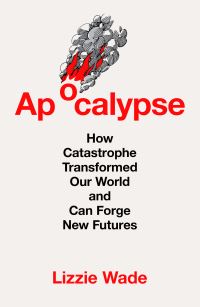
A groundbreaking new perspective on catastrophes throughout human history, with vital lessons for our future
The winners
1 × £10.99 Anxious People
1 × £10.99 My friends
1 × £20.00 Subtotal: £41.98
Notifications