Showing 1–16 of 42 resultsSorted by latest
-
£22.00
War: what is it good for? Absolutely something, surely, or we wouldn’t keep doing it. Throughout the ages, each generation has faced the same questions: Am I willing to fight for my way of life? How can I come up with something the enemy hasn’t thought of? And the important one that people often forget to ask: is there a way of solving this amicably? In this work, Terry Deary shows us what can we learn from battles through the ages.
-
£22.00
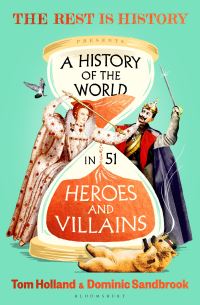
The multiple Sunday Times bestselling brand and creators of the #1 podcast sensation return with a hilarious deep dive into history's biggest heroes and most infamous villains
-
£25.00
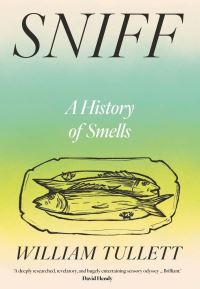
A remarkable account of the weird and wonderful history of smellAcross vast periods of time and around the globe, smell has been central to human life. From the incense burned in medieval religious rituals to the use of modern sniffer dogs, smells have been central to our sense of identity, our ability to build communities, and, perhaps less positively, to mark those deemed unwelcome within them. Our sense of smell brings us the pleasure of good food, wine, and perfume, but it also warns us of dangerous fire, gas, and rot.What did the past smell like? Why does our own world smell the way it does?Moving through key locations, from libraries to forests, churches to hospitals, Will Tullett explores the peculiar history of smell. We smell witchcraft and murder, fin de siècle Parisian theatres, and cinemas in 1960s New York. What emerges is not just a history of smells, but biographies of the many noses that have sniffed them.
-
£30.00
An extraordinary chronicle of the Nazi destruction of Jewish Vienna, from the bestselling author of Former People.
-
£25.00
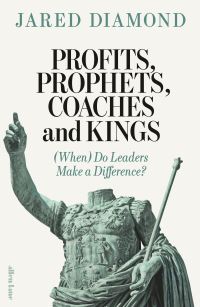
We often read history as the biographies of ‘great men’ who shaped the world. But are leaders, whichever field they are in, really that influential? Should CEOs be given large bonuses when a company performs well? Why, when a political leader is assassinated, is their successor as likely to improve as damage a country? When do we know if firing a coach has changed the fortunes of the team? Historian and bestselling author Jared Diamond argues that leaders are neither heroic exceptions nor products of circumstance. Looking at four difference spheres: history, business, sport and religion, Diamond asks under which conditions is a leader most likely to make a difference and why. Drawing on the life and career of iconic leaders, Diamond shows us how leadership effectiveness is determined by a range of complex interrelated factors, from resources to geography, culture to technology.
-
£22.00
We are in a cold war, but one unlike anything we’ve seen before. Influence, ignorance and ideology have been weaponised, with USA and China fighting on the global battleground to push their rival visions of the future. The world is splintering into two competing spheres of influence and it’s no exaggeration to say that we are potentially looking down the barrel of a gun towards global armageddon. Western leaders can no longer be complacent or passive, allowing foreign actors chip away at our political infrastructure and national security. The stakes could not be higher, but there is a path towards a brighter future. ‘Ten Steps to Prevent World War Three’ draws on a blend of big ideas, personal narrative, lessons from history and geopolitical insights to uncover the mindset and strategies that can build a peaceful global future.
-
£12.99
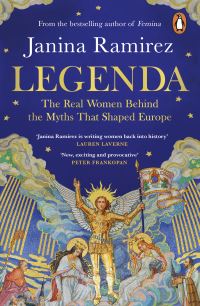
Bestselling historian Professor Janina Ramirez peels back the layers of time to reveal how the identities of women have been co-opted by those intent on crafting national identities. Their names are well-known, and summaries of their achievements have been recited in classrooms for decades, but medieval women like Joan of Arc, Lady Godiva and Isabella of Castile have been misrepresented, their stories twisted and weaponised. Meanwhile, ground-breaking 18th and 19th-century women who blazed a trail through revolutionary Europe have been forgotten, their legacies too easily dismissed or ignored. Questioning established narratives and searching for the real women behind the legends, Ramirez interrogates what defines a nation and who gets to build it, shining a light on how history is so often hijacked to serve the ideological and political interests of the present.
-
£12.99
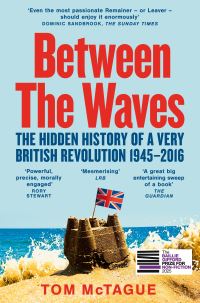
A gripping, persuasive and authoritative account of Britain's tumultuous relationship with Europe.
-
£12.99
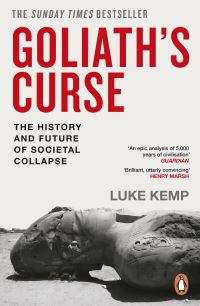
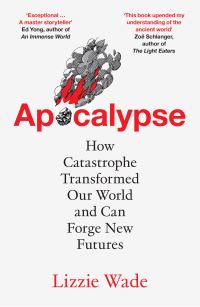
A new history of humanity told through the lens of collapse from Neanderthals to AI, and what it means for our uncertain future.
-
£25.00
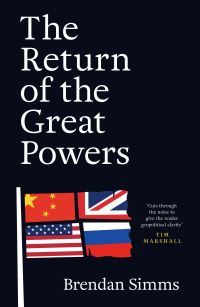
From the dawn of the modern era to the end of the Cold War, global history was defined by rivalries between great powers. In the West, this meant the struggle for supremacy in Europe and the Americas, while in the East, it encompassed those vying for control over the successor states to Genghis Khan’s empire. Between 1989 and the year 2000, great power rivalry temporarily gave way to globalization, with liberal democracy on the march and national chauvinism seemingly in retreat. But events of the past decade have made one thing abundantly clear: the great powers are back. In this work, renowned historian Brendan Simms offers a history of the rise, fall, and return of the great powers in our time. He shows that over the past ten years or so, the major global actors have already resumed making decisions based on geopolitical rather than global economic considerations.
-
£25.00
Stories about royal women form some of our most foundational myths about femininity, and yet their legacies have been almost entirely constructed by the words and images of men. Kate Williams leads us deep into the world of queens, empresses, princesses, mistresses and ladies-in-waiting, uncovering how their ambitions were shaped, celebrated and often thwarted.
-
£10.99
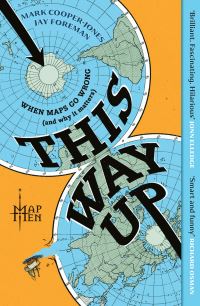
A SUNDAY TIMES BESTSELLER
A Waterstones Best Nature & Travel Writing Book 2025
'Educational, smart and funny’ Richard Osman
‘This book is superb’ Charlie Brooker
‘Brilliant. Fascinating. Hilarious.’ Jonn Elledge, bestselling author of A History of the World in 47 Borders
-
£10.99
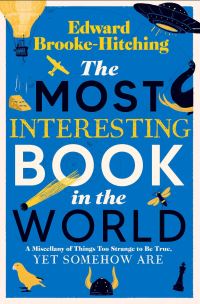
A miscellany of things too strange to be true, yet somehow are, by former BBC QI Elf turned bestselling author, Edward Brooke-Hitching.
-
£12.99
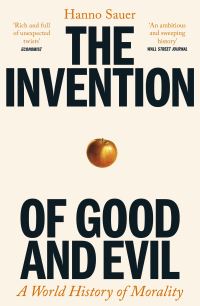
For almost five million years, humans have been locked in a relationship with morality, inventing and reinventing the concepts of ‘Good’ and ‘Evil’, and weaving them into our cities, laws and customs. Morality is often associated with restraint and coercion; restriction and sacrifice; inquisition, confession and a guilty conscience. Joyless and claustrophobic, it is a device used to shames us into compliance. This impression is not entirely incorrect, but it is certainly incomplete. Using our past as a basis for a new understanding of our future, Hanno Sauer traces humanity’s fundamental moral transformations from our earliest ancestors through to the present day, when it seems we have never disagreed more over what it means to be good. Our current political disagreements may feel like the end of the world, but where will the evolution of morality take us next?
-
£10.99
A groundbreaking new perspective on catastrophes throughout human history, with vital lessons for our future