Circle of stars
£25.00A compelling new history of the EU and the people who sought to shape and challenge it-from Maastricht to today

Showing all 4 resultsSorted by latest
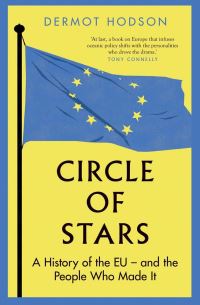
A compelling new history of the EU and the people who sought to shape and challenge it-from Maastricht to today
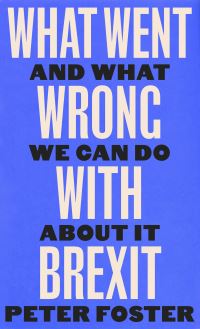
Brexit divided Britain. For many it wasn’t simply about economics, it was about ‘taking back control’, about some non-specific idea of sovereignty. But six years later the real effects of Brexit are being clearly seen. And questions need to be asked as to whether it lived up to any of the promises made, and to count the real cost of leaving the EU. The reality is that the ‘Global Britain’ we have been promised has not been delivered. Brexit has damaged the prospect for UK trade and inward investment into the UK. Trade with the EU is now 10% more expensive than it was before Brexit. By the end of the decade average wages for UK workers will be 470 worse than they would have been had we not left. And the political fallout continues. What has really happened? What are the options going forward? These are the questions Peter Foster answers in ‘What Went Wrong with Brexit’.
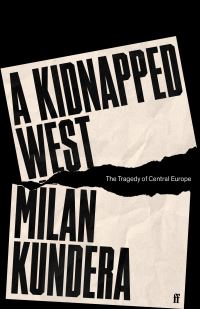
In a moment of historic threat and uncertainty in mainland Europe, this collection, makes the case for the ‘small countries’ of Central Europe as the nucleus of European values and a lightning rod for its potential dangers, where language and culture play an active role in affirming national identity and democracy is under continued threat from the threat of Russian oppression. However, these countries have been historically overlooked by the major powers of Western Europe. Kundera warns that this blindness puts Europe’s cultural and political independence at risk, a warning that feels increasingly relevant to our current moment.
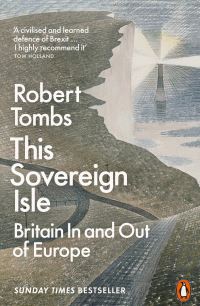
Geography comes before history. Islands cannot have the same history as continental plains. The United Kingdom is a European country, but not the same kind of European country as Germany, Poland or Hungary. For most of the 150 centuries during which Britain has been inhabited it has been on the edge, culturally and literally, of mainland Europe. In this succinct book, Tombs shows that the decision to leave the EU is historically explicable – though not made historically inevitable – by Britain’s very different historical experience, especially in the twentieth century, and because of our more extensive and deeper ties outside Europe.
No products in the basket.
Notifications