The AGI Chronicles
£25.00The inside story on the race for artificial general intelligence, perhaps the most significant invention of the century.

Showing all 9 resultsSorted by latest

The inside story on the race for artificial general intelligence, perhaps the most significant invention of the century.

For almost five million years, humans have been locked in a relationship with morality, inventing and reinventing the concepts of ‘Good’ and ‘Evil’, and weaving them into our cities, laws and customs. Morality is often associated with restraint and coercion; restriction and sacrifice; inquisition, confession and a guilty conscience. Joyless and claustrophobic, it is a device used to shames us into compliance. This impression is not entirely incorrect, but it is certainly incomplete. Using our past as a basis for a new understanding of our future, Hanno Sauer traces humanity’s fundamental moral transformations from our earliest ancestors through to the present day, when it seems we have never disagreed more over what it means to be good. Our current political disagreements may feel like the end of the world, but where will the evolution of morality take us next?
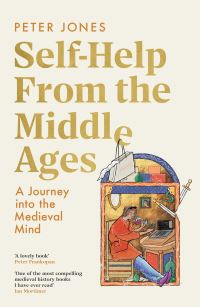
When Dante called despair ‘the sin that freezes the heart,’ was he describing the first burnout? What can a painting by Giotto reveal about our hunger to see others fail? Can desire ever lift us closer to wisdom, not drag us from it? What can a twelfth-century monk teach us about burnout, envy, or despair? Far more than we might imagine. In ‘Self-Help from the Middle Ages’, historian Peter Jones travels through Europe’s archives and libraries to uncover a lost psychology: a world where confession was therapy, sin was diagnosis, and the Seven Deadly Sins served as a map of the human mind.
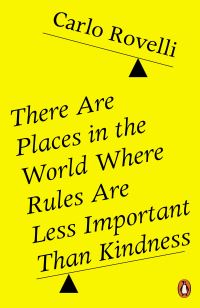
One of the most inspiring and counter-intuitive thinkers of our age, the author of ‘Seven Brief Lessons on Physics’, transforms the way we think about the world with his reflections on science, history, and humanity. In this collection of writings, the logbook of an intelligence always on the move, Carlo Rovelli follows his curiosity and invites us on a voyage through science, history, philosophy, and politics.
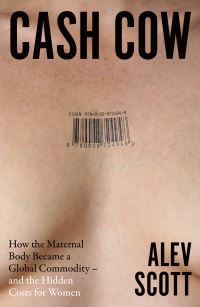
‘Captivating, mind-boggling and deeply disturbing’ – Maureen Freely
‘Humane, thoughtful and urgent – this book will make you think, make you laugh, make you cry, but also make you burn with rage’ – Dr Mary Wellesley
A thought-provoking deep dive into the global fertility industry and the commodification of the maternal body
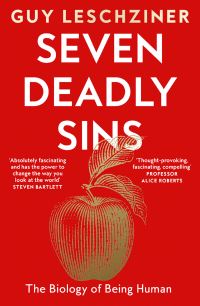
‘Has the power to change the way you look at the world’ Steven Bartlett
‘The heir to Oliver Sacks’ David Baddiel
A FINANCIAL TIMES BEST BOOK OF 2024
AN INDEPENDENT BOOK OF THE MONTH
Gluttony. Greed. Sloth. Pride. Envy. Lust. Anger.
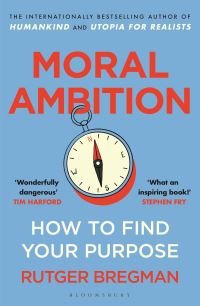
The inspiring, life-changing new book from global sensation Rutger Bregman, Moral Ambition shows how our world has been shaped by a small group of committed individuals who changed the course of history – and how you can, too.
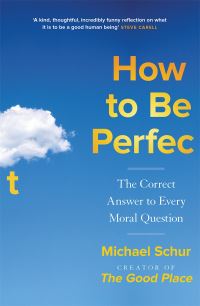
How can we live a more ethical life? This question has plagued people for thousands of years, but it’s never been tougher to answer than it is now, thanks to challenges great and small that flood our day-to-day lives and threaten to overwhelm us with impossible decisions and complicated results with unintended consequences. Plus, being anything close to an ‘ethical person’ requires daily thought and introspection and hard work; we have to think about how we can be good not, you know, once a month, but literally all the time. To make it a little less overwhelming, this fascinating, accessible and funny book by one of our generation’s best writers and adept minds in television comedy, Michael Schur, boils down the whole confusing morass with real life dilemmas, so that we know how to deal with ethical dilemmas.
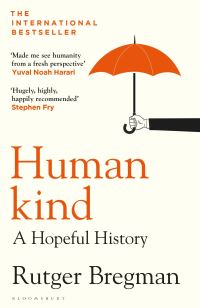
It’s a belief that unites the left and right, psychologists and philosophers, writers and historians. It drives the headlines that surround us and the laws that touch our lives. And its roots sink deep into Western thought: from Machiavelli to Hobbes, Freud to Pinker, the tacit assumption is that humans are bad. Humankind makes the case for a new argument: that it is realistic, as well as revolutionary, to assume that people are good. When we think the worst of others, it brings out the worst in our politics and economics too. In his long-awaited second book, international-bestselling author Rutger Bregman shows how believing in human kindness and altruism can be a new way to think – and act as the foundation for achieving true change in our society. It is time for a new view of human nature.
No products in the basket.