Showing 1–12 of 41 resultsSorted by latest
-
£22.00
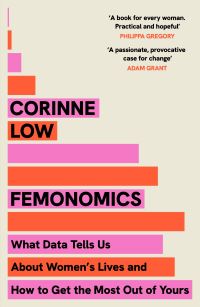
It’s not in your head. It’s in the data. To be a woman today is to be overwhelmed from every angle. The data proves that the odds are still stacked against us – biologically, culturally, economically. But that same data can empower us to make choices that will reclaim our time, energy and help us find joy. In ‘Femonomics’, economist Corinne Low explodes the myths about what makes women successful and happy such as: What if flexible working isn’t the answer, and we actually need more boundaries? What if the gender happiness gap was as important as the gender pay gap? ‘Femonomics’ gives you the tools to design the life you want. It will teach you how to turn your time into money, how to work out what you value, how to invest in the right partner, how to plan your career at every stage, how to organise your family life – and ultimately how to make the world work for you.
-
£12.99
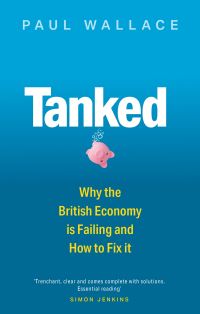
In the autumn of 2023, Liz Truss took Britain on a journey into economic la-la land and comprehensively tanked the economy. The result? Higher mortgages and rents, high inflation, debt at an eye- watering oe2.7 trillion and a sluggish economy rapidly falling behind our (ex-)European partners. As economic journalist Paul Wallace argues in this incisive, expert and accessible book, this was low point of a once supercharged economy that has over the last 15 years not recovered from the financial crash of 2008. Written over ten chapters tackling the most important issues (Brexit, debt, the City, immigration, manufacturing, levelling up, public services) Wallace asks in clear, jargon-free prose what the problems are, and what we can do to solve them. He offers a ten-point plan to get our economy back and track, building on its most resilient aspects.
-
£22.00
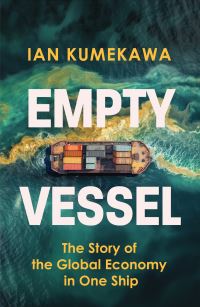
Here is a history of the world economy over the last fifty years told through the life of a single ship. Capitalism. International law. Imperial decline. National sovereignty. Inflation. Gentrification. Mass incarceration. Busts. Racism. Greed. ‘Empty Vessel’ is the story of globalism in one boat. First built as a Swedish offshore oil rig in the 1970s, it went on to house British soldiers in the Falklands War in the 1980s, prisoners from Riker’s Island in New York’s East River in the 1990s,Volkswagen factory employees in Germany in the 2000s, and Nigerian oil workers off the coast of Africa in the 2010s. In each of its lives it arrived as an empty vessel, filled at the behest of both public and private interests, for purposes of war, incarceration, and commerce – connecting people thousands of miles apart, all shaped by the same global economic transformations.
-
£14.99
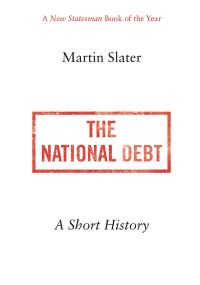
The story of our National Debt told through key events in British history.
-
£10.99
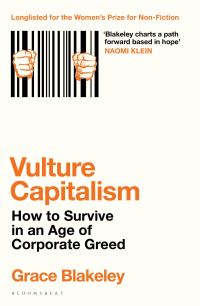
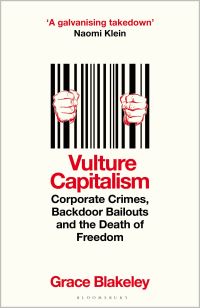
Everything you know about capitalism is wrong. Free markets aren’t really free. Record corporate profits don’t trickle down to everyone else. And we aren’t empowered to make our own choices – they’re made for us every day. In ‘Vulture Capitalism’, journalist Grace Blakeley takes on the world’s most powerful corporations by showing how the causes of our modern crisis are the intended result of our capitalist system. It’s not broken, it’s working exactly as planned. From Amazon to Boeing, Henry Ford to Richard Nixon, Blakeley shows us exactly where late-stage capitalism has gone wrong.
-
£10.99
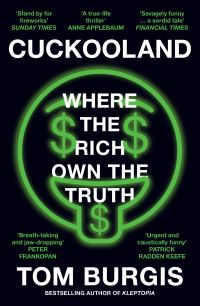
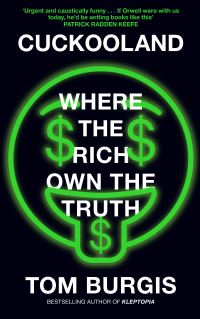
‘Stand by for fireworks as it hits the shelves’ SUNDAY TIMES
‘If Orwell were with us today, he’d be writing books like this’ PATRICK RADDEN KEEFE
-
£30.00
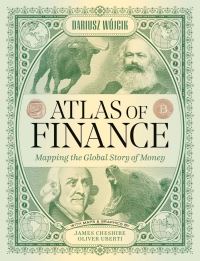
A unique illustrated exploration of the development of finance that combines data from every part of the world and covers five thousand years of history
-
£25.00
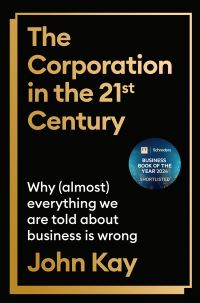
The goods and services provided by the leading companies of the 21st century appear on your screen, fit in your pocket, or occupy your head. Ownership of the means of production is a redundant concept. Workers are the means of production; increasingly, they take the plant home. Capital is a service bought from a specialist supplier with little influence over customer businesses. The professional managers who run modern corporations do not exert authority because they are wealthy; they are wealthy because they exert authority. John Kay’s incisive overhaul of our ideas about business redefines our understanding of successful commercial activity and the corporation – and describes how we have come to ‘love the product’ as we ‘hate the producer’.
-
£12.99
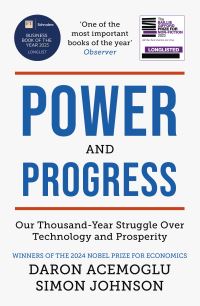
The first hundred years of industrialisation in England delivered stagnant incomes for workers, while making a few people very rich. And throughout the world today, digital technologies and artificial intelligence increase inequality and undermine democracy through excessive automation, massive data collection and intrusive surveillance. It doesn’t have to be this way. ‘Power and Progress’ demonstrates that the path of technology was once – and can again be – brought under control.
-
£20.00
Everything you know about capitalism is wrong. Free markets aren’t really free. Record corporate pro-fits don’t trickle down to everyone else. And we aren’t empowered to make our own choices – they’re made for us every day. In ‘Vulture Capitalism’, journalist Grace Blakeley takes on the world’s most powerful corporations by showing how the causes of our modern crisis are the intended result of our capitalist system. It’s not broken, it’s working exactly as planned. From Amazon to Boeing, Henry Ford to Richard Nixon, Blakeley shows us exactly where late-stage capitalism has gone wrong.
-
£25.00
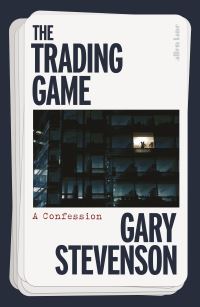
Ever since he was a kid, kicking broken footballs on the streets of East London in the shadow of Canary Wharf’s skyscrapers, Gary wanted something better. Something a whole lot bigger. Then he won a competition run by a bank: ‘The Trading Game’. The prize: a golden ticket to a new life, as the youngest trader in the whole city. A place where you could make more money than you’d ever imagined. Where your colleagues are dysfunctional maths geniuses, overfed public schoolboys and borderline psychopaths, yet they start to feel like family. Where soon you’re the bank’s most profitable trader, dealing in nearly a trillion dollars. A day. Where you dream of numbers in your sleep – and then stop sleeping at all. But what happens when winning starts to feel like losing? The story of the dark heart of an intoxicating world – from someone who survived the game and then blew it all wide open.
-
£18.99
‘URGENT AND CAUSTICALLY FUNNY? IF ORWELL WERE WITH US TODAY, HE’D BE WRITING BOOKS LIKE THIS’ PATRICK RADDEN KEEFE
‘BREATH-TAKING AND JAW-DROPPING’ PETER FRANKOPAN
‘A TRUE-LIFE THRILLER’ ANNE APPLEBAUM