Showing all 3 resultsSorted by latest
-
£12.99
Tough choices loom if the world wants to go green. The United States and other countries must decide where and how to procure the materials that make our renewable energy economy possible. To build electric vehicles, solar panels, cell phones, and millions of other devices means the world must dig more mines to extract lithium, copper, cobalt, rare earths, and nickel. But mines are deeply unpopular, even as they have a role to play in fighting climate change. These tensions have sparked a worldwide reckoning over the sourcing of these critical minerals, and no one understands the complexities of these issues better than Ernest Scheyder, whose exclusive access has allowed him to report from the front lines on the key players in this global battle to power our future.
-
£10.99
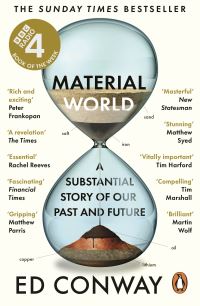
Sand, iron, salt, oil, copper and lithium. The struggle for these tiny, magical materials has razed empires, demolished civilisations, fed our greed and our ingenuity for thousands of years. But the story is not over. We are often told we now live in a weightless world of information but in fact we dug more stuff out of the earth in 2017 than in all of human history before 1950. And it’s getting worse. To make one bar of gold, we now have to dig 5000 tons of earth. For every tonne of fossil fuels, we extract six tonnes of other materials – from sand to stone to wood to metal. Even as we pare back our consumption of fossil fuels we have redoubled our consumption of everything else. Why? Because these ingredients build everything. They power our computers and phones, build our homes and offices, print our books and packaging.
-
£9.99
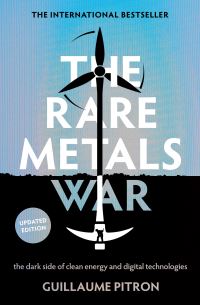
The resources race is on. Powering our digital lives and green technologies are some of the Earth’s most precious metals – but they are running out. And what will happen when they do? The green-tech revolution will reduce our dependency on nuclear power, coal, and oil, heralding a new era free of pollution, fossil-fuel shortages, and crossborder tensions. But there is a hidden dark side to this seemingly utopian vision.