Showing all 13 resultsSorted by latest
-
£9.99
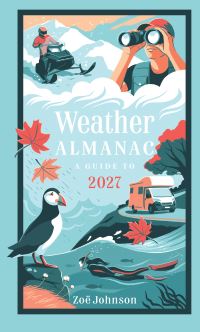
The perfect gift for nature lovers and weather watchers
A fascinating month-by-month collection of facts, figures and explanations related to UK weather. Discover historical facts, notable weather events, amazing statistics and captivating weather-related stories that will keep you intrigued all year round.
-
£20.00
Embrace the story of our Earth. Embrace the story of us all. In this unique graphic novel, Mother Earth herself narrates a timeless story of growth, change and the delicate balance between humanity and nature. Through lyrical text and captivating illustrations by artist Elin Manon, readers journey from the creation of the Earth and the birth of life to the present day, witnessing the planet’s transformation and deep connection with humanity. But ‘Earth Ever After’ is more than just a story – it’s a gentle reminder of our shared responsibility to protect the world around us. This enchanting book inspires hope and healing, offering a moment of reflection in our busy, modern lives. It encourages us to think about how we can live more harmoniously with the planet, making it a perfect way to spark important conversations about our relationship with nature.
-
£22.00
“A truly original perspective on Italy.” Helena Attlee, author of The Land Where Lemons GrowFull of surprise and discovery, This Beautiful Country paints an unforgettable picture of Italy heretofore unseen – one wilder than you can imagine. Italy is renowned for its antiquities, classical literature, philosophy, and modern-day culture, cuisine and fashion. What has gone largely overlooked – and undocumented, even by its people – is its unique biodiversity. Italy has the widest variety of wildlife in Europe with over 60,000 different species, and around 4,800 of these are found nowhere else on Earth. It has more grape varieties than France, more wheat that the United States, over 300 local tomatoes, and dozens of citrus and chestnut varieties. Edward Cutler, co-founder of the Tuscany Environment Foundation, began to explore Italy’s history on his Tuscan farm. Starting with a small salamander endemic to the surrounding Apennine Mountains,
-
£11.99
Cherry blossom, hinoki, ezo spruce. Persimmon, maple, cypress. The trees of Japan are wondrous emblems of beauty that cast a spell on those who venture to its unique landscape. As a child, Aya Koda realized they were more than mere objects of beauty. Gifted a sapling by her father, she discovered that we depend on trees as much as they do on us. Markers of time passing, they clear the air and regenerate our earth – while we are responsible to care for their future. Following her travels around Japan, as she witnesses landslides, lumber and forests of falling ash, Tree is a beautiful series of essays that contemplate the most distinctive and eternal features of our natural world. A modern classic translated for the first time, Koda’s voice echoes down the generations, to remind us that trees hold a mirror to what we cherish on Earth, and what we choose to leave behind.
-
£14.99
A new, beautifully illustrated edition of David Attenborough’s groundbreaking Life on Earth.
-
£10.99
As indigenous scientist and author of ‘Braiding Sweetgrass’ Robin Wall Kimmerer harvests serviceberries alongside the birds, she considers the ethic of reciprocity that lies at the heart of the gift economy. How, she asks, can we learn from indigenous wisdom and the plant world to reimagine what we value most? Our economy is rooted in scarcity, competition, and the hoarding of resources, and we have surrendered our values to a system that actively harms what we love. Meanwhile, the serviceberry’s relationship with the natural world is an embodiment of reciprocity, interconnectedness, and gratitude. The tree distributes its wealth – its abundance of sweet, juicy berries – to meet the needs of its natural community. ‘The Serviceberry’ is an antidote to the broken relationships and misguided goals of our times, and a reminder that ‘hoarding won’t save us, all flourishing is mutual.’
-
£20.00
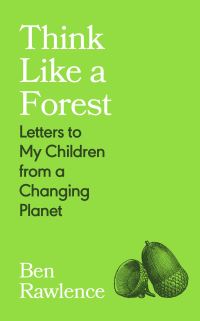
Through a series of inspiring letters written to his daughters, climate activist and writer Ben Rawlence finds new ways to open conversations and navigate the uncertainty of our changing times together.
-
£32.00
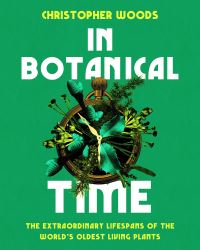
“In Botanical Time is an exploration of the fascinating botanical and cultural uses of twenty-five of the world’s longest-lived plants. The book will focus on how and why these plants have adapted and evolved and what we can learn from them today in our ever more extreme conditions. In Botanical Time will also focus on the science behind how and why organisms have evolved to live that long at all, the sustainability benefits of being able to do so, and, from these investigations, larger lessons about the rapidity with which humans have caused and are still causing species to adapt to be able to survive in increasingly human-invaded habitats and conditions. The book will also draw meaningful parallels to the ways humans have long recognized these plant species’ worth, looking to them as symbols of strength or endurance, that will resonate with a general popular science and gardening readership”– Provided by. publisher.
-
£12.99
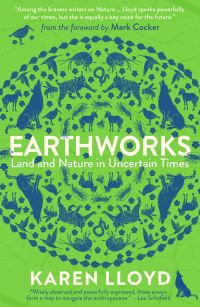
This collection is a rallying call – a celebration of renewal and resilience – for all who care about Earth’s future.
-
£10.99
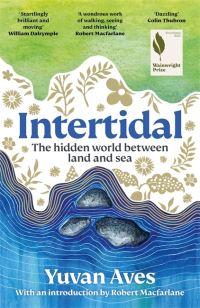
Over two years and three monsoons, Yuvan Aves pays scrupulous attention to the living world of his coastal city. The result is a diary of deep observation of coast and wetland, climate and self. Set in beaches and marshes, and the wild places of the mind, ‘Intertidal’ comprises daily accounts of being in a multispecies milieu. In language that is jewel-like and precise, we hear frog calls through the night, spot butterflies miles into the ocean, find blue buttons washed ashore, see the churning of longshore currents and meditate on the composting abilities of worms. We also witness communities stand together to preserve the homes and livelihoods of the human and non-human inhabitants of the coast and the marsh.
-
£11.99
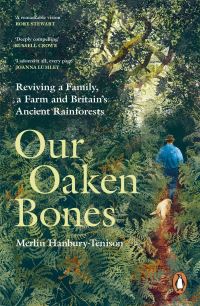
Reeling from the pain of devastating miscarriages and suffering from PTSD after military adventures in Afghanistan, Merlin and his wife Lizzie decide to leave the bustle of London and return to Merlin’s childhood home, a Cornish hill farm called Cabilla in the heart of Bodmin Moor. There, they are met by unexpected challenges: a farm slipping ever further into debt, the discovery that the overgrazed and damaged woods running throughout the valley are in fact one of the UK’s last remaining fragments of Atlantic temperate rainforest, and the sudden and near catastrophic strickening by Covid of Merlin’s father, the explorer Robin. As they fall more in love with the rainforest that Merlin had adventured in as a child, so begins a fight to save not only themselves and their farm, but also one of the world’s most endangered habitats.
-
£22.00
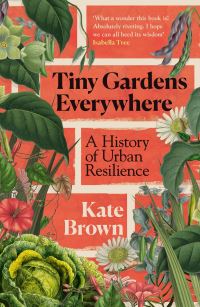
In the heart of bustling European and American cities lies an overlooked yet vibrant corner of resilience, ingenuity and magic: our gardens. From pre-Industrial England to modern-day Washington, via the Paris Commune, Barrackia in pre-war Berlin, Soviet allotments in Estonia, the orchards tended by Black migrants in Washington and food forests in contemporary Amsterdam, ordinary people, working with each other and with nature, cultivated life in the unlikeliest of places. Over the past three hundred years, these tiny gardens, often born from necessity and shaped by precarity, immigration and environmental crisis, thrived by recycling nutrients, remedying contaminated soil and transforming how we think about our relationship to the earth. This title is a hymn to the most fertile agriculture in recorded human history, showing that it occurred not on farms but with little effort in small garden beds.
-
£10.99
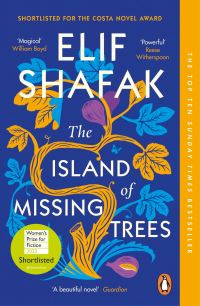
1974, on the island of Cyprus. Two teenagers, from opposite sides of a divided land, meet at a tavern in the city they both call home. The tavern is the only place that Kostas, who is Greek and Christian, and Defne, who is Turkish and Muslim, can meet, in secret, hidden beneath the blackened beams from which hang garlands of garlic, chilli peppers and wild herbs. This is where one can find the best food in town, the best music, the best wine. But there is something else to the place: it makes one forget, even if for just a few hours, the world outside and its immoderate sorrows. In ‘The Island of Missing Trees’, prizewinning author Elif Shafak brings us a rich, magical tale of belonging and identity, love and trauma, memory and amnesia, human-induced destruction of nature, and, finally, renewal.