Showing all 5 resultsSorted by latest
-
£28.00
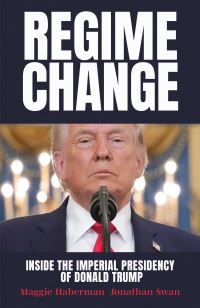
From the two reporters who have covered him more closely than perhaps anyone else over the past decade comes this definitive portrait of Donald Trump in the White House. ‘Regime Change’ covers the first year of Trump’s second presidency – a term liberated from every constraint that defined his first. The generals who once told him ‘no’ are gone, and the lawyers who remain have learned to pick their battles. His administration has flouted court orders and he has claimed powers that Congress once checked. What remains is a President willing to take enormous risks that have upended global markets and toppled heads of state; an imperial President operating almost entirely on instinct alone.
-
£12.99
A leading economist explores the global rise of the U.S. dollar and shows why its future stability is far from assured.
-
£9.99
Does political rhetoric on immigration policy match what is actually happening on the ground? Why do well-intentioned plans fail? Could immigration policy be done better? This book explores what immigration policy seeks to achieve and why so many people end up unhappy with the outcome. Drawing on decades of research and examples from high-income countries around the world, it exposes the unavoidable trade-offs governments face, and the impacts of their choices on people and communities. It reveals how we got here, why the policy challenge is so difficult, and how we get to a better place.
-
£30.00
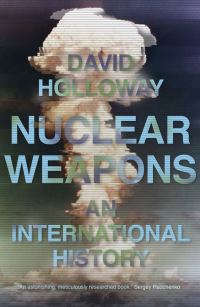
How should we deal with nuclear weapons? The discovery of nuclear fission fundamentally changed the world order. Its power was harnessed, nuclear bombs invented, and the cities of Hiroshima and Nagasaki were destroyed. In recurring international crises and calls for arms control, the threat of nuclear war has hung over humanity ever since. David Holloway traces how these weapons shaped the last century, from the US-Soviet arms race to the rivalry between India and Pakistan. Deterrence and intimidation, alliances and war plans, international treaties and organizations have all played their role. At the centre were political leaders – among them Truman, Kennedy, and Reagan, as well as Stalin, Khrushchev, and Gorbachev – who all had their fingers on the nuclear button.
-
£12.95
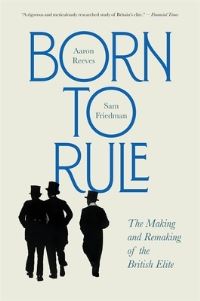
This data-rich sociological study uses everything from census figures to Who’s Who to analyze how, over 125 years, the British elite have used status, elite education, and powerful social networks to shape politics and cultural values. But what happens when elites begin to change-in what they look like, value, and how they position themselves?