Showing 1–12 of 325 resultsSorted by latest
-
£10.99
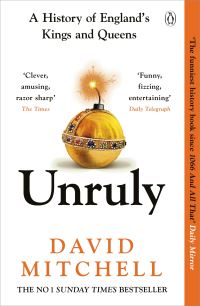
Think you know the Kings and Queens of England? Think again. In ‘Unruly’, David Mitchell explores how early England’s monarchs, while acting as feared rulers firmly guiding their subjects’ destinies, were in reality a bunch of lucky sods who were mostly as silly and weird in real life as they appear to us today in their portraits.
-
£10.99
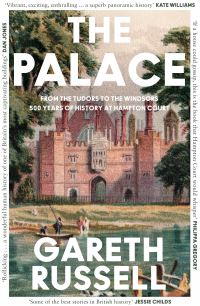
‘If a house could gossip, this is the book that Hampton Court would whisper. An enjoyable and readable stroll through 500 years of Hampton Court history: royal residents, common visitors, thieves, invaders and ghosts’ PHILIPPA GREGORY
-
£25.00
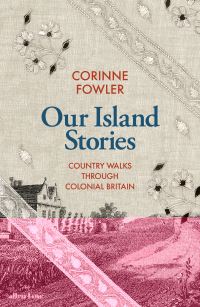
The countryside is cherished by many Britons. There is a depth of feeling about rural places, the moors and lochs, valleys and mountains, cottages and country houses. Yet the British countryside, so integral to our national identity, is rarely seen as having anything to do with British colonialism. Where the countryside is celebrated, histories of empire are forgotten. Historian Corinne Fowler brings rural life and colonial rule together with transformative results. Through ten country walks, roaming the island with varied companions, she combines local and global history, connecting the Cotswolds to Calcutta, Dolgellau to Virginia, and Grasmere to Canton. Empire transformed rural lives for better and for worse: whether in Welsh sheep farms or Cornish copper mines, it offered both opportunity and exploitation.
-
£25.00
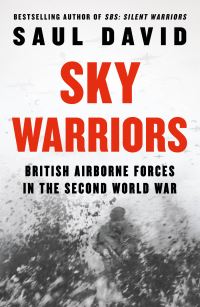
From bestselling historian Saul David, a riveting new history of the British airborne experience across the Second World War.
-
£22.00
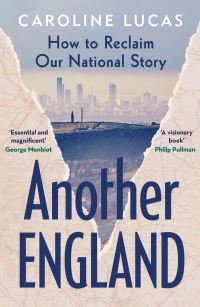
Who are the English? Today, the dominant story told about our national history solely serves the interests of the right. The only people who dare speak of ‘Englishness’ are cheerleaders for isolationism and imperial nostalgia. But there is another story, equally compelling, about who we are: about the English people’s radical inclusivity, their ancient commitment to the natural world, their long struggle to win rights for all. It puts the Chartists and the Levellers in their rightful places alongside Nelson and Churchill. It draws on the medieval writers and Romantic poets who emphasised the sanctity of the environment. And at its heart is England’s ancient multicultural heritage, embodied by the Black and Asian writers the curriculum neglects. Here, Caroline Lucas uses this alternative story to offer a progressive vision of what Englishness is and what it might be.
-
£12.99
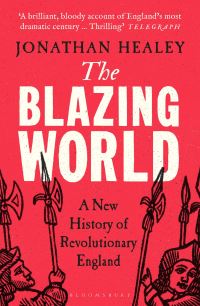
At the beginning of the 17th century, English politics centred on the king & the royal court. 90% of the population lived in the countryside, the vast majority was illiterate & famine & plague were regular scourges. However, by the turn of the 18th century, a new world had arisen. A world more familiar to our own: parliamentary politics, thriving arts & culture & even an embryonic welfare state. How did this happen? The story of this turbulent period is less well-known than it should be. Myths have grown around key figures; turning points like the Civil War are opaque for many. Yet the 17th century has never been more relevant. The British constitution is once again being bent & contorted, & there is a clash of ideologies reminiscent of when the Roundheads fought the Cavaliers. From raw politics to religious divisions, civil wars to witch trials, this title is the story of a strange but fascinating century.
-
£25.00
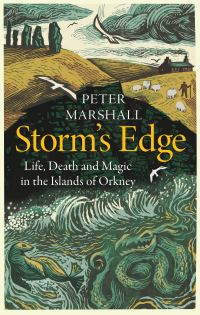
From Peter Marshall, winner of the Wolfson Prize 2018, Storm’s Edge is a new history of the Orkney Islands that dives deep into island politics, the evolution of folklore, and community memory on the geographical edge of Britain.
-
£25.00
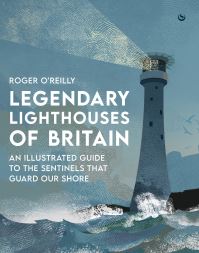
Packed with legends, sea lore and exciting true-life tales, this is a highly giftable treasure trove of Britain’s top 100 lighthouses, each one illustrated by award-winning artist Roger O’Reilly.
-
£25.00
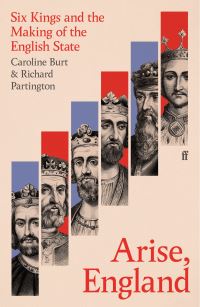
Between 1199 and 1399, English politics was high drama. These two centuries witnessed savage political blood-letting – including civil war, deposition, the murder of kings and the ruthless execution of rebel lords – as well as international warfare, devastating national pandemic, economic crisis and the first major peasant uprising in English history. Arise, England uses the six Plantagenet kings who ruled during these two centuries to explore England’s emergent statehood. Drawing on original accounts and arresting new research, it draws resonances between government, international relations, and the abilities, egos and ambitions of political actors, then and now. Colourful and complicated, and by turns impressive and hateful, the six kings stride through the story; but arguably the greatest character is the emerging English state itself.
-
£7.99
Since the UK’s withdrawal from the EU, the constititional position of Northern Ireland within the Union has endured an unusual level of attention. Lisa Claire Whitten has written a concise history of Northern Ireland through its pivotal moments: the 1920-72 Unionist-led governments, the following 30 years of bitter conflicts, the 1998 Belfast/Good Friday Agreement, and the 2016 referendum on the UK’s membership of the EU. Considering each of the moment in the broader setting of UK constititional norms and narratives, she addresses the exceptional constitutional characteristics of Northern Ireland and ways in which these have often resulted in a ‘blindspot’ analysis of the Union. This short book also considers the implications of Brexit and the constitutional impacts and shifts it has brought to Northern Ireland and discuss the possible constitutional repercussions.
-
£30.00
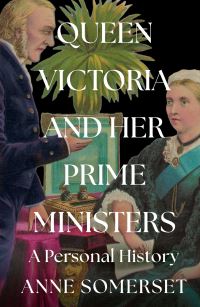
It is generally accepted that Queen Victoria reigned but did not rule. This couldn’t be more wrong.
-
£10.99
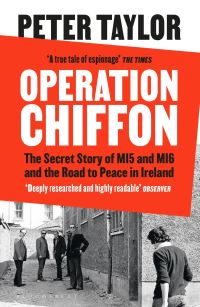
On the 25th anniversary of the Good Friday Agreement, Peter Taylor tells the gripping story of Operation Chiffon, MI5’s top-secret intelligence operation that finally helped bring peace to Ireland. April 1998: the Good Friday Agreement is signed, ending decades of violence and bloodshed in Northern Ireland. The process of getting the IRA to end its so-called ‘armed struggle’ was always the prerequisite of the search for peace. It was Operation Chiffon that made it possible. Operation Chiffon takes us inside the top-secret intelligence operation whose roots go back to the bloodiest years of the conflict in the early 1970s, involving officers from MI6 and, later in the 1990s, MI5. The remarkable story, which has remained hidden for 40 years, is now revealed by legendary BBC journalist Peter Taylor with unique access to the officers involved.