Showing 13–24 of 39 resultsSorted by latest
-
£28.00
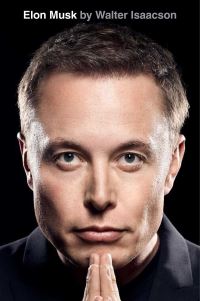
The astonishingly intimate story of Elon Musk, the most fascinating and controversial innovator of our era – a rule-breaking visionary who helped to lead the world into the era of electric vehicles, private space exploration, and artificial intelligence. Oh, and took over Twitter. When Elon Musk was a kid in South Africa, he was regularly beaten by bullies. One day a group pushed him down some concrete steps and kicked him until his face was a swollen ball of flesh. He was in the hospital for a week. But the physical scars were minor compared to the emotional ones inflicted by his father, an engineer, rogue, and charismatic fantasist. His father’s impact on his psyche would linger.
-
£20.00
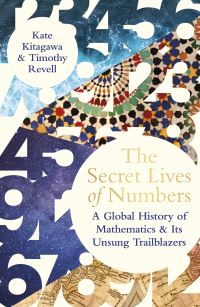
From building rockets to the handheld technology that governs our day-to-day lives, we are all in debt to the mathematical geniuses of the past. But the history of mathematics is warped; it looks like a sixteenth-century map that enlarges Europe at the expense of Africa, Asia and the Americas. This book introduces readers to a new group of mathematical boundary-smashers, those who have been erased by history because of their race, gender or nationality. Kitagawa and Revell bring to vivid life the stories and struggles of mathematicians from every continent: from the brilliant Arabic scholars of the ninth century ‘House of Wisdom’; to the pioneering African-American mathematicians of the twentieth century; the first female mathematics professor (from Russia); and the ‘lady computers’ around the world who revolutionised our knowledge of the night sky.
-
£12.99
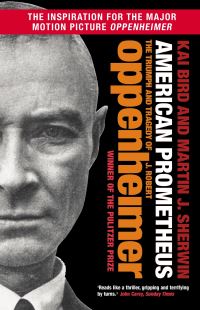
A portrait of scientist J. Robert Oppenheimer, the father of the atomic bomb, which discusses his role in the 20th-century scientific world, as well as his roles as family man and head of Princeton’s Institute for Advanced Studies.
-
£12.99
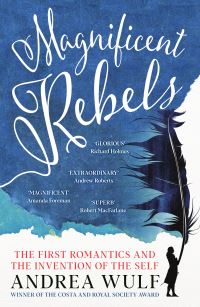
In the 1790s an extraordinary group of friends changed the world. Disappointed by the French Revolution’s rapid collapse into tyranny, what they wanted was nothing less than a revolution of the mind. The rulers of Europe had ordered their peoples how to think and act for too long. Based in the small German town of Jena, through poetry, drama, philosophy and science, they transformed the way we think about ourselves and the world around us. They were the first Romantics. Their way of understanding the world still frames our lives and being. We’re still empowered by their daring leap into the self. We still think with their minds, see with their imagination and feel with their emotions. This extraordinary group of friends changed our world. It is impossible to imagine our lives, thoughts and understanding without the foundation of their ground-breaking ideas.
-
£20.00
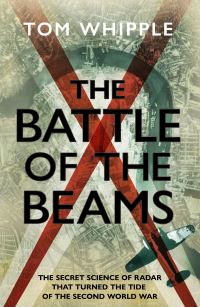
Summer 1939. War is coming. The British believe that, through ingenuity and scientific prowess, they alone have a war-winning weapon: radar. They are wrong. The Germans have it too. They believe that their unique maritime history means their pilots have no need of navigational aids. Flying above the clouds they, like the seafarers of old, had the stars to guide them, and that is all that is required. They are wrong. Most of the bombs the RAF will drop in the first years of the war land miles from their target. They also believe that the Germans, without the same naval tradition, will never be able to find targets at night. They are, again, wrong. In 1939 the Germans don’t just have radar to spot planes entering their airspace, they have radio beams to guide their own planes into enemy airspace. War is coming, and it is to be a different kind of war.
-
£20.00
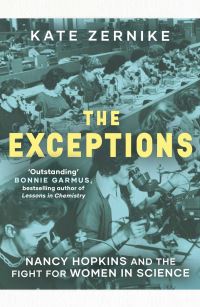
The story of how a group of determined, brilliant women used the power of the collective and the tools of science to inspire ongoing radical change. It shows that real power is collective power and that speaking up and allying yourself with likeminded others is one of the key pathways to change. This is a triumphant story – real progress has been made – and yet the problems persist. Kate Zernike tells us why.
Â
-
£10.99
Meet Lori Gottlieb, an insightful and compassionate therapist whose clients present with all kinds of problems. Over the course of a year, they all make progress. But Gottlieb is not just a therapist – she’s also a patient who’s on a journey of her own. Interspersed with the stories of her clients are her own therapy sessions, as she goes in search of the hidden roots of a devastating and life-changing event.
-
£25.00
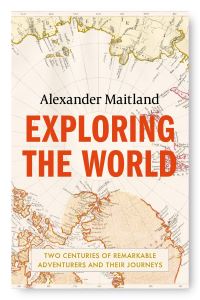
For nearly two hundred years the Society has been awarding gold medals to those individuals who have contributed most to our geographical knowledge. Winners of the Founder’s and Patron’s medals now number around three hundred individuals, and the roll-call of names is a veritable Who’s Who of exploration. Telling their stories, of the many and varied ways in which they have helped ‘fill in the maps’, is nothing less than a history of exploration itself.
-
£9.99
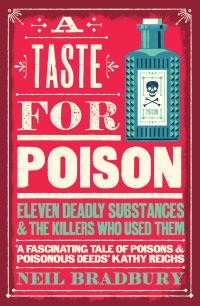
‘Indecently entertaining.’ A Daily Mail Book of the Week
‘A fascinating tale of poisons and poisonous deeds which both educates and entertains.’ – Kathy Reichs
-
£10.99
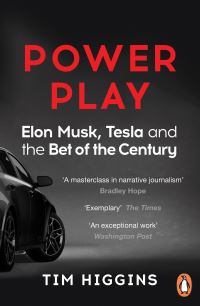
Join the race to drive the future. Can a startup conquer the biggest and most entrenched industry in the global economy? The petrol car transformed our lives, both as a lifestyle object and a means of transport. It created a new economy and changed the design of our cities, but also led to pollution, congestion and climate change. Electric cars are the next frontier that could save the industry – but will they ever be good enough? Tesla silenced their doubters early on by doing the impossible and creating a luxury electric sportscar, but now they face the biggest trial yet: delivering and manufacturing an affordable electric family car to the masses – the Tesla Model 3. Here is a fascinating, insider business story of one of the most talked-about companies in the world.
-
£16.99
A moving, evocative account of a rural GP in a remote rural location.
-
£10.99
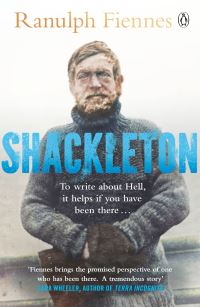
To write about Hell, it helps if you have been there. In 1915, Sir Ernest Shackleton’s attempt to traverse the Antarctic was cut short when his ship, Endurance, became trapped in ice. The disaster left Shackleton and his men alone at the frozen South Pole, fighting for their lives. Their survival and escape is the most famous adventure in history. ‘Shackleton’ is an engaging account of the adventurer, his life and his incredible leadership under the most extreme of circumstances.