 Cat In The Hat
 Great Thinkers School Of Life
£20.00A unique selection of the greatest thinkers from the fields of philosophy, political theory, sociology, art, architecture and literature, with enjoyable profiles of what they have to teach to us today.

Showing 169–180 of 256 resultsSorted by latest
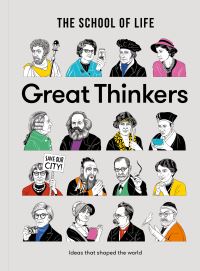
A unique selection of the greatest thinkers from the fields of philosophy, political theory, sociology, art, architecture and literature, with enjoyable profiles of what they have to teach to us today.
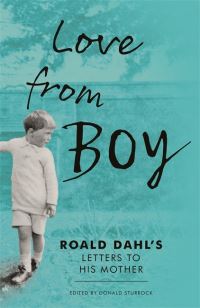
‘Dear Mama, I am having a lovely time here. We play football every day here. The beds have no springs’ So begins the first letter that a nine-year-old Roald Dahl penned to his mother, Sofie Magdalene, under the watchful eye of his boarding-school headmaster. For most of his life, Roald Dahl would continue to write weekly letters to his mother, chronicling his adventures, frustrations and opinions, from the delights of childhood to the excitements of flying as a World War II fighter pilot and the thrill of meeting top politicians and movie stars during his time as a diplomat and spy in Washington. And, unbeknown to Roald, his mother lovingly kept every single one of them. Sofie was, in many ways, Roald’s first reader. It was she who encouraged him to tell stories and nourished his desire to fabricate, exaggerate and entertain.
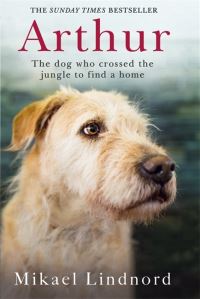
The Adventure World Championship is a 430-mile race through the Amazon rainforest; one of the most gruelling endurance events on the planet. As Mikael Lindnord and his team collapsed one night, exhausted and starving, he noticed a scruffy but stoical stray dog out of the corner of his eye. Impressed by his bearing, Mikael threw the dog a meatball and thought nothing more of it. But when they left the next day, the dog came with them. Crossing rivers, climbing rocks, battling illness and injury, the team and the dog walked together towards the finish line, where Mikael decided he would keep Arthur (named after King Arthur) and take him back to his young family in Sweden, whatever it took. Their story is a testament to the remarkable lengths both humans and animals will go to: for success, for hope, and for love.
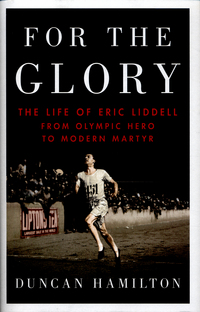
Renowned for his athletic prowess, it was also his deeply entrenched values that set Eric Liddell apart from the crowd. These qualities were never better illustrated than in the 1924 Paris Olympics when, having declined his place in the 100 metres owing to the fact that the race was run on a Sunday, he produced an astonishing performance to win gold in the 400 metres. Liddell was immortalised in the Oscar-winning Chariots of Fire, but that film barely scratched the surface of his life. For the Glory takes the reader from Liddell the fastest man on the planet, through Liddell the man with a higher purpose, to Liddell when he had to be stronger than all around him, detained in an internment camp under terrible conditions, when he became the moral centre of an otherwise unbearable world. Liddell would make the ultimate sacrifice, but the story of his life continues to inspire generation after generation.
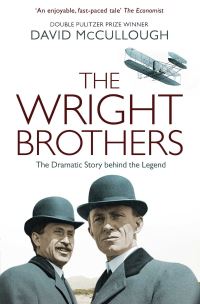
Two-time winner of the Pulitzer Prize David McCullough tells the dramatic story-behind-the-story about the brothers who taught the world how to fly.
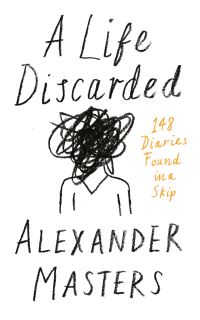
Unique, transgressive and as funny as its subject, A Life Discarded has all the suspense of a murder mystery. Written with his characteristic warmth, respect and humour, Masters asks you to join him in celebrating an unknown and important life left on the scrap heap.
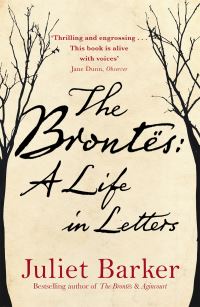
The Bronte story has been written many times but rarely as compellingly as by the Brontes themselves. In this selection of letters and autobiographical fragments we hear the authentic voices of the three novelist sisters, Charlotte, Emily and Anne, their brother, Branwell, and their father, the Reverend Patrick Bronte.
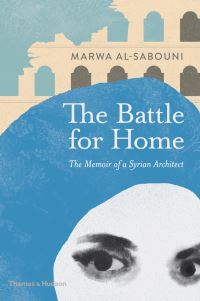
Drawing on the author’s personal experience of living and working as an architect in Syria, this book offers an eyewitness perspective on the country’s bitter conflict through the lens of architecture, showing how the built environment offers a mirror to the community that inhabits it.
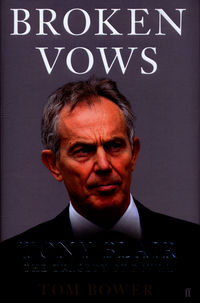
This is a total re-evaluation of New Labour and Blair’s years in power, with a focus on five areas: health, education, immigration, energy, and war. And then there’s the more personal angles too – Blair’s battle with Gordon Brown, his relations with the Palace, his private life and his controversial ventures since office.
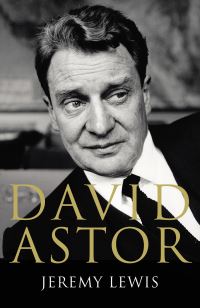
Few newspaper editors are remembered beyond their lifetimes, but David Astor of the Observer is a great exception to the rule. He converted a staid, Conservative-supporting Sunday paper into essential reading, admired and envied for the quality of its writers and for its trenchant but fair-minded views. This book explores his life and career.
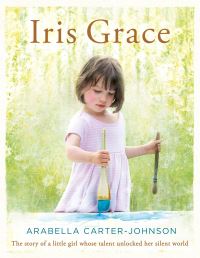
A remarkable, heartwarming true story about an autistic little girl and the cat that saved her. Iris Grace is five years old and severely autistic. For the first few years of her life she barely communicated at all and seemed to be trapped in her own world, unreachable. But when the family decided to get a cat, Thula, Iris opened up and began to communicate. The little girl who seemed to be lost in her own world slowly blossomed; Iris grew in confidence and began to explore the world around her. This led to her discovering painting – and an extraordinary talent emerged. Her exquisite Monet-like watercolour images have to be seen to be believed.
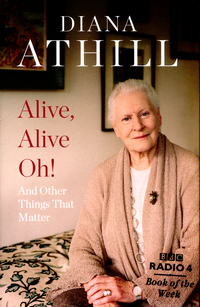
Several years ago, Diana Athill accepted that she could no longer live entirely independently, and moved to a retirement home in Highgate. There, she found herself released from the daily anxieties of caring for her own property, and free to settle into her remaining years. From this vantage point, she reflects on what it feels like to be very old, and on the moments in her long life that have risen to the surface and which sustain her in these last years.
Notifications