Showing 1–12 of 19 resultsSorted by latest
-
£12.99
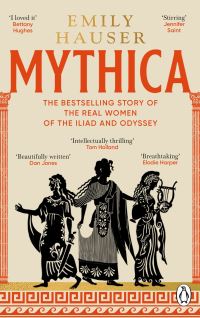
Award-winning classicist and historian Emily Hauser takes readers on an epic journey to uncover the astonishing true story of the real women behind ancient Greece’s greatest legends, and the real heroes of those ancient epics, Homer’s Iliad and Odyssey.
-
£22.00
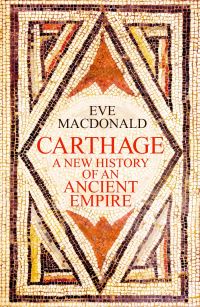
Carthage was a power that dominated the western Mediterranean for almost six centuries before its fall to Rome. The history of the realm and its Carthaginians was subsumed by their conquerors and, along the way, the story of the real Carthage was lost. In this landmark new history, Eve MacDonald tells the essential story of the lost culture of Carthage and of its forgotten people, using archaeological analysis to uncover the history behind the legend. A journey that takes us the Phoenician Levant of the early Iron Age to the Atlantic and all along the coast of Africa, the book puts the city and the story of North Africa once again at the centre of Mediterranean history. Reclaimed from the Romans, this is the Carthaginian version of the tale, revealing to us that, without Carthage, there would be no Rome.
-
£10.99
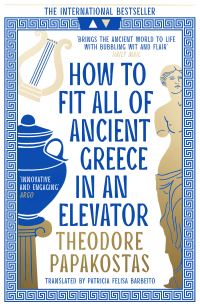
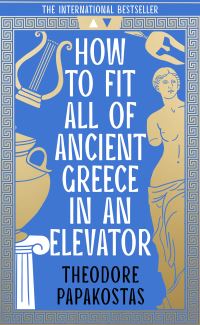
‘Irresistibly fascinating’ MARIE CLAIRE GREECE
‘Essential’ VICTORIA HISLOP
‘Brilliantly conceived’ PAUL CARTLEDGE
An enormous bestseller in Greece, this is a bold, witty retelling of the story of Ancient Greece by a rising star in archaeology
-
£25.00
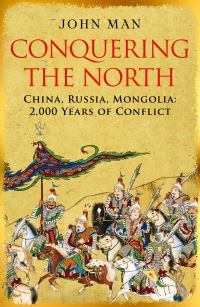
A panoramic history of the roots of China and Mongolia’s historic rivalry? and why it matters now.
-
£10.99
A TIMES HISTORY BOOK OF THE YEAR
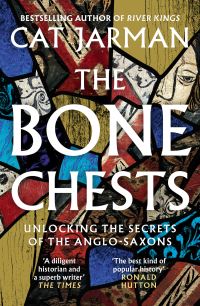
‘A diligent historian and a superb writer’THE TIMES
A gripping new history of the making of England as a nation.
-
£12.99
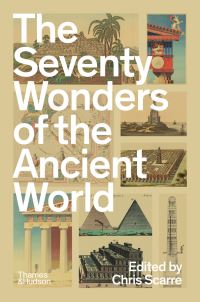
How were the ancient wonders of the world built? This text examines spectacular feats of engineering and celebrates the achievements of the builders who worked without the aid of modern technology.
-
£16.99
‘Irresistibly fascinating’ MARIE CLAIRE GREECE
‘Essential’ VICTORIA HISLOP
‘Brilliantly conceived’ PAUL CARTLEDGE
An enormous bestseller in Greece, this is a bold, witty retelling of the story of Ancient Greece by a rising star in archaeology
-
£10.99
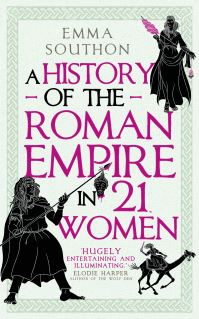
Putting the Women Back into Roman History
-
£25.00
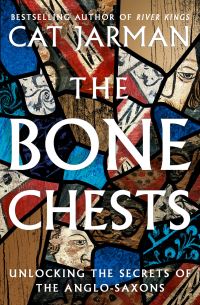
‘A diligent historian and a superb writer’TIMES, BOOK OF THE WEEK
From bioarchaeologist and bestselling author of River Kings, a gripping new history of the making of England as a nation, told through six bone chests, stored for over a thousand years in Winchester Cathedral.
-
£40.00
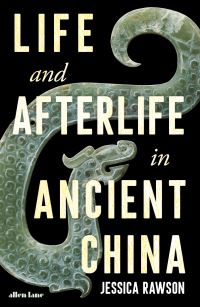
The three millennia up to the establishment of the first imperial Qin dynasty in 221 BC cemented many of the distinctive elements of Chinese civilisation which are still in place today. Records of these early achievements, and their diverse and unexpected expressions, often lie not in written history, but in how people marked the end of their lives: their dwellings for the afterlife. Beautifully illustrated and drawing on the latest archaeological discoveries, ‘Life and Afterlife in Ancient China’ shows how the tombs form a mosaic of one of the oldest civilisations in the world.
-
£10.99
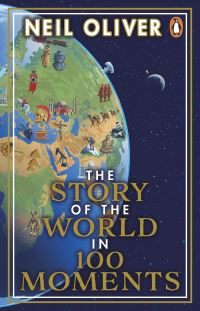
In his ambitious book, Neil Oliver takes us on a whistlestop tour around the world and through a million years to give us a unique and invaluable grasp of how human history pieces together. From the east to the west, north to south, these 100 moments act like stepping stones allowing us to make sense of how these pivotal events have shaped the world we know today. Including many moments readers will expect, there are also surprises, and with them, some remarkable, unforgettable stories that give a whole new insight on our past.
-
£12.99
Organized into six thematic sections, ‘The Great Archaeologists’ gives short, vivid biographies and fresh assessments of the achievements of 70 of the world’s greatest practitioners.

 The emperor of gladness