Showing 1–12 of 20 resultsSorted by latest
-
£10.99
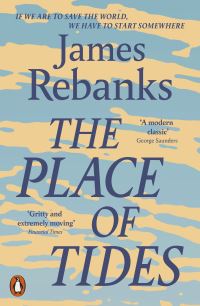
One afternoon many years ago, James Rebanks met an old lady on a remote Norwegian island. She lived and worked alone on a tiny rocky outcrop, caring for wild Eider ducks and gathering their down. Hers was a centuries-old trade that had once made men and women rich, but had long been in decline. Still, somehow, she seemed to be hanging on. Back at home, Rebanks couldn’t stop thinking about her. She was fierce and otherworldly – and yet strangely familiar. Years passed. Then, one day, he wrote her a letter, asking if he could return. Bring work clothes, she replied, and good boots, and come quickly: her health was failing. He travelled to the edge of the Arctic to witness her last season on the island. Slowly, he began to understand that this woman and her world were not at all what he’d previously thought. What began as a journey of escape became an extraordinary lesson in self-knowledge and forgiveness.
-
£22.00
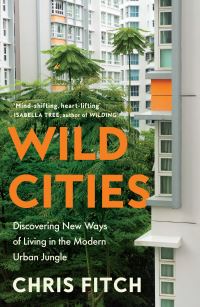
‘Mind-shifting, heart-lifting’ ISABELLA TREE
‘Inspiring and essential’ ALASTAIR HUMPHREYS
Nature isn’t a luxury, it’s a necessity. But today the majority of the world’s population lives in some form of urban environment. And by 2050, two-thirds of humanity will live in towns and cities.
-
£10.99
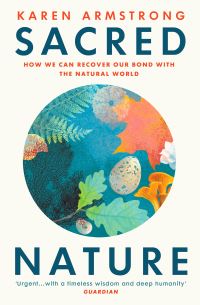
For most of human history nature was held to be sacred, and our God or gods were believed to be present everywhere in nature. That was true of almost all the world’s cultures and religious traditions. When people in the West began to separate God and nature in the 17th century, it was not just a profound breach with thousands of years of accumulated wisdom and experience: it was also the root of how we have come to plunder the natural world and to promote our individual selves in unhealthy and destructive ways. Karen Armstrong argues that if we want to avert the looming environmental catastrophe, it is not enough to change our behaviour: we need to learn to think and feel differently about the natural world. She passionately believes that our religious heritage can teach us how to recover a spiritual bond with nature.
-
£16.99
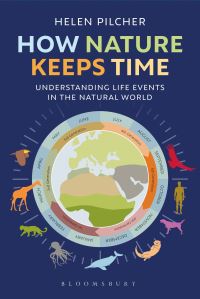
Which organisms live the longest? How does the natural world recover from fire? How long do eggs take to hatch? What are the world’s fastest and slowest growing plants? Which species invest the most in parental care? ‘How Nature Keeps Time’ discovers the natural world’s most important and intriguing patterns of time. With colour photography and more than 80 reader-friendly charts and diagrams, this book examines a broad range of species from across the world and throughout time. From the lifecycle of immortal jellyfish and identifying the perfect amount of time for a ‘good sleep’ to mass extinction and the destruction of the coral reef, Helen Pilcher tackles highly relevant and fascinating topics.
-
£9.99
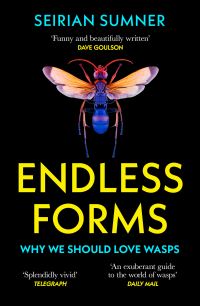
‘A funny and beautifully written welcome to the enigmatic, weird and wonderful world of wasps’ DAVE GOULSON, author of SILENT EARTH
There may be no insect with a worse reputation than the wasp, and none guarding so many undiscovered wonders.
-
£10.99
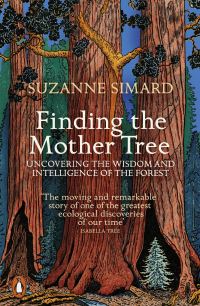
No one has done more to transform our understanding of trees than the world-renowned scientist Suzanne Simard. Now she shares the secrets of a lifetime spent uncovering startling truths about trees: their cooperation, healing capacity, memory, wisdom and sentience. Raised in the forests of British Columbia, where her family has lived for generations, Professor Simard did not set out to be a scientist. She was working in the forest service when she first discovered how trees communicate underground through an immense web of fungi, at the centre of which lie the Mother Trees: the mysterious, powerful entities that nurture their kin and sustain the forest. Though her findings were initially dismissed and even ridiculed, they are now firmly supported by the data. As her remarkable journey shows us, science is not a realm apart from ordinary life, but deeply connected with our humanity.
-
£4.99
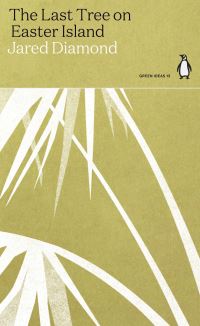
This is his haunting account of visiting the mysterious stone statues of Easter Island, showing how a remote civilization destroyed itself by exploiting its own natural resources – and why we must heed this warning.
-
£4.99
The celebrated pioneer of the ‘do-nothing’ farming method reflects on global ecological trauma and argues that we must radically transform our understanding of both nature and ourselves in order to have any chance of healing.
-
£4.99
Robin Wall Kimmerer guides us towards a more reciprocal, grateful and joyful relationship with our animate earth, from the wild leeks in the field to the deer in the woods.
-
£4.99
In this lyrical meditation on the American wild lands, Leopold considers the different ways humans shape the natural landscape, and describes for the first time the far-reaching phenomenon now known as ‘trophic cascades’.
-
£4.99
Provocative and playful, ‘All Art is Ecological’ explores the strangeness of living in an age of mass extinction, and shows us that emotions and experience are the basis for a deep philosophical engagement with ecology.
-
£4.99
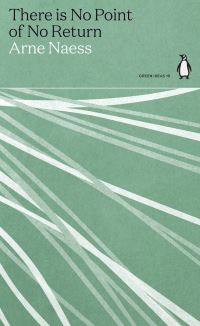
Emphasizing joy in the world, human cooperation and the value of all living things, this selection of Arne Næss’s philosophical writings is filled with wit, learning and an intense connection with nature.