Showing 85–96 of 229 resultsSorted by latest
-
£10.99
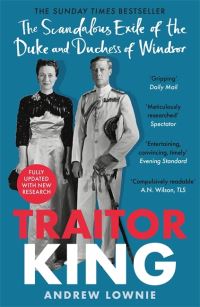
Here Andrea Lownie looks at the years following the abdication of Edward VIII when the former king was kept in exile, feuding with his family over status for his wife, Wallis Simpson, and denied any real job. Drawing on extensive research into hitherto unused archives and Freedom of Information requests, it makes the case that the Duke and Duchess of Windsor were not the naïve dupes of the Germans but actively intrigued against Britain in both war and peace.
-
£16.99
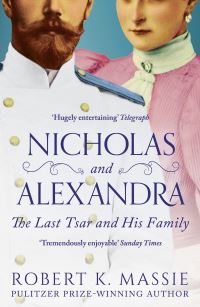
A biography of the last days and last rulers of the Russian Empire – Tsar Nicholas II of Russia and his wife, Alexandra.
-
£9.99
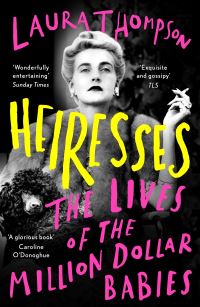
A survey of the world of the wealthy heiress – glittering and gleaming, flawed and fascinating – from the seventeenth to the twenty-first centuries.
-
£10.99
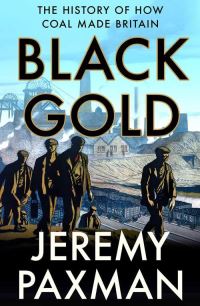
From the bestselling historian and acclaimed broadcaster
‘A rich social history ? Paxman’s book could hardly be more colourful, and I enjoyed each page enormously’ DOMINIC SANDBROOK, SUNDAY TIMES
‘Vividly told ? Paxman’s fine narrative powers are at their best’ THE TIMES
-
£10.99
This volume concerns how wartime changed the lives of the most sheltered section of British society – the young, unmarried daughters of the upper classes.
-
£19.99
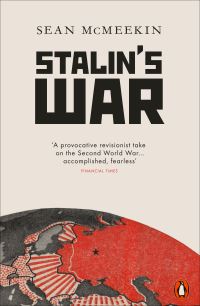
Stalin’s only difference from Hitler, McMeekin argues, was that he was a successful murderous predator. With Hitler dead and the Third Reich in ruins, Stalin created an immense new Communist empire. Among his holdings were Czechoslovakia and Poland, the fates of which had first set the West against the Nazis and, of course, China and North Korea, the ramifications of which we still live with today. Until Barbarossa wrought a public relations miracle, turning him into a plucky ally of the West, Stalin had murdered millions, subverted every norm of international behaviour, invaded as many countries as Hitler had, and taken great swathes of territory he would continue to keep. In the larger sense the global conflict grew out of not only German and Japanese aggression but Stalin’s manoeuvrings, orchestrated to provoke wars of attrition between the capitalist powers in Europe and in Asia.
-
£25.00
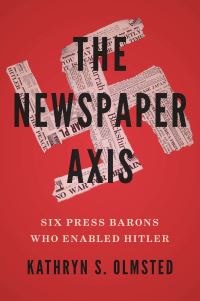
How six conservative media moguls hindered America and Britain from entering World War II
-
£11.99
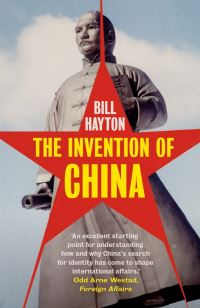
A provocative account showing that “China”-and its 5,000 years of unified history-is a national myth, created only a century ago with a political agenda that persists to this day
-
£8.99
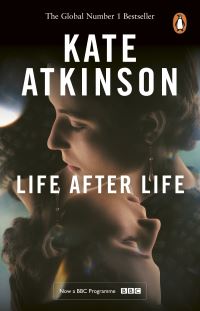
What if you had the chance to live your life again and again, until you finally got it right? During a snowstorm in England in 1910, a baby is born and dies before she can take her first breath. During a snowstorm in England in 1910, the same baby is born and lives to tell the tale. What if there were second chances? And third chances? In fact an infinite number of chances to live your life? Would you eventually be able to save the world from its own inevitable destiny? And would you even want to? ‘Life After Life’ follows Ursula Todd as she lives through the turbulent events of the last century again and again. With wit and compassion, she finds warmth even in life’s bleakest moments, and shows an extraordinary ability to evoke the past.
-
£20.00
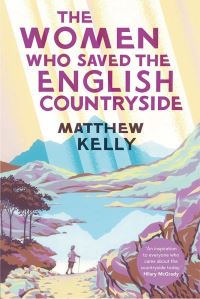
A vibrant history of English landscape preservation over the last 150 years, told through the lives of four remarkable women
-
£18.99
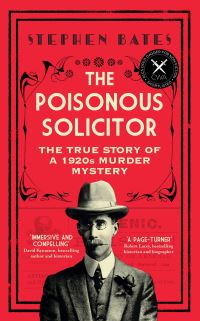
In 1922, Major Herbert Armstrong, a Hay-on-Wye solicitor, was found guilty of, and executed for, poisoning his wife, Katharine, with arsenic. Armstrong’s case has all the ingredients of a classic murder mystery, from a plot by Agatha Christie or Dorothy Sayers. It is a near-perfect whodunnit. 100 years later, Stephen Bates examines and retells the story of the case, evoking the period and atmosphere of the early 1920s, a time of newspaper sensationalism, hypocrisy and sanctimonious morality.
-
£9.99
The hotel that I love like a fatherland is situated in one of the great port cities of Europe, and the heavy gold Antiqua letters in which its banal name is spelled out shining across the roofs of the gently banked houses are in my eye metal flags, metal bannerets that instead of fluttering shine out their greeting. In the 1920s and 30s, Joseph Roth travelled extensively in Europe, leading a peripatetic life living in hotels and writing about the towns through which he passed. Incisive, nostalgic, curious, and sharply observed – and collected together here for the first time – his pieces paint a picture of a continent racked by change yet clinging to tradition.