Peace At Last
£10.99A vivid, original, and intimate hour-by-hour account of Armistice Day 1918, to mark its centenary

Showing 49–60 of 229 resultsSorted by latest
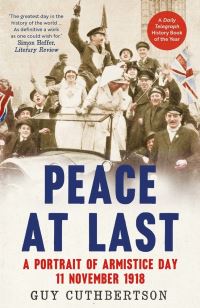
A vivid, original, and intimate hour-by-hour account of Armistice Day 1918, to mark its centenary
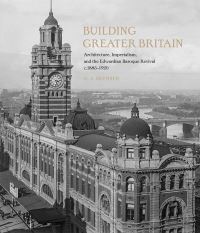
This innovative study reappraises the Edwardian Baroque movement in British architecture, placing it in its wider cultural, political, and imperial contexts
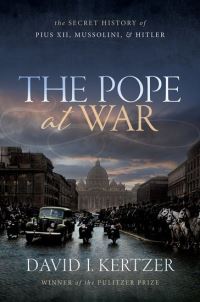
Filled with discoveries, this is the dramatic story of Pope Pius XII’s struggle to response to the Second World War, the Holocaust, and the Nazi domination of Europe.
For over half a century Noël Coward was the British theatre’s most renowned dramatist, director and star. These diaries chronicle the last 30 years of his life, from his war-time concert tours, to his triumphant re-emergence in the 1960s.
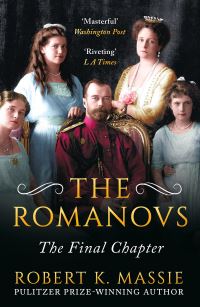
The quest to solve a great mystery of the twentieth century: the ultimate fate of Russia’s last tsar and his family.
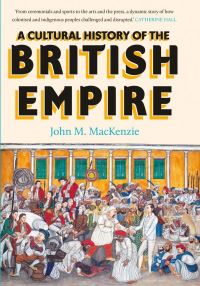
A compelling history of British imperial culture, showing how it was adopted and subverted by colonial subjects around the world
‘Looking to Sea’ takes us from Vanessa Bell’s painting of Studland Beach, one of the first modernist paintings in Britain, to Paul Nash’s post-war art that bore the scars of his experience in the trenches, to Martin Parr’s photographs of seaside resorts in the 1980s. Lily Le Brun embraces ideas from modernism and the sublime, the impact of the world wars and the influence of America, to issues crucial to our world today like the environment and nationhood.
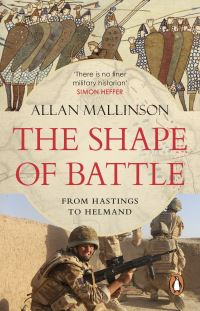
One of our most distinguished military historians tells the story of six defining battles . . .Every battle is different. Each takes place in a different context – the war, the campaign, the weapons. However, battles across the centuries, whether fought with sticks and stones or advanced technology, have much in common. Fighting is, after all, an intensely human affair; human nature doesn’t change. So why were battles fought as they were? What gave them their shape? Why did they go as they did: victory for one side, defeat for the other? In exploring six significant feats of arms – the war and campaign in which they each occurred, and the factors that determined their precise form and course – The Shape of Battle answers these fundamental questions about the waging of war.Hastings (1066) – everyone knows the date, but not, perhaps, the remarkable strategic background.Towton (1461) – the bloodiest battle to be fought on English soil. Wat
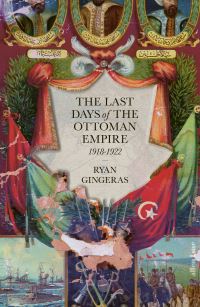
The Ottoman Empire had been one of the major facts in European history since the Middle Ages. By 1914 it had been much reduced, but still remained after Russia the largest European state. Stretching from the Adriatic to the Indian Ocean, the Empire was both a great political entity and a religious one, with the Sultan ruling over the Holy Sites and, as Caliph, the successor to Mohammed. Yet the Empire’s fateful decision to support Germany and Austria-Hungary in 1914, despite its successfully defending itself for much of the war, doomed it to disaster, breaking it up into a series of European colonies and what emerged as an independent Saudi Arabia. Ryan Gingeras explains how these epochal events came about and shows how much we still live in the shadow of decisions taken so long ago.
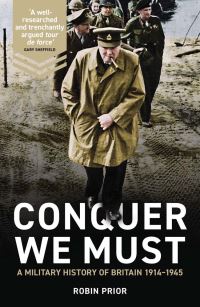
A major new account of Britain’s military strategy between 1914-1945, including the two world wars and everything between
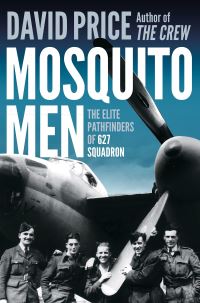
The story of one of the most remarkable – and feared – British aircraft of the Second World War: the de Havilland DH.98 Mosquito fighter-bomber.
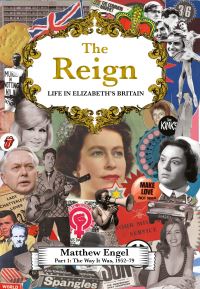
She came to the throne in 1952 when Britain had a far-flung empire, sweets were rationed, mums stayed home and kids played on bombsites. 70 years on, everything has changed utterly – except the Queen herself, aging far more gracefully than the fractious nation over which she so lightly presides. How did we get from there to here in a single reign? To cancel culture, anti-vaxxers and Twitter feeds? Matthew Engel tells the story – starting with the years from Churchill to Thatcher – with his own light touch and a wealth of fascinating, forgotten, often funny detail.
No products in the basket.
Notifications