Showing 1–12 of 24 resultsSorted by latest
-
£12.99
Benjamin Zephaniah (1958-2023) was a writer and performer of extraordinary range. Dis Poetry brings together all the poems from his three Bloodaxe collections, City Psalms, Propa Propaganda and Too Black, Too Strong, as well as some from The Dread Affair, along with previously unpublished work and lyrics from various recordings.
-
£12.00
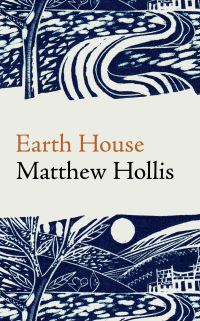
In this long awaited second collection, Matthew Hollis evokes the landscape, language and ecology of the isles of Britain and Ireland to explore how our most intimate moments have resonance in the wider cycle of life. What emerges is a moving meditation on time and the transformative phases of nature.
-
£12.00
Russia’s Maria Stepanova is a poet, novelist, essayist, journalist and the author of ten poetry collections and three books of essays. Her book-length poem Holy Winter 20/21, written in a frenzy during the pandemic, speaks of winter and war, of banishment and exile, of social isolation and existential abandonment.
-
£25.00
Fleur Adcock is one of Britain’s most accomplished poets. Published on her 90th birthday, this first complete edition of her poetry supersedes her earlier retrospective, Poems 1960-2000, with the addition of five later collections, Dragon Talk, Glass Wings, The Land Ballot, Hoard and The Mermaid’s Purse, along with a gathering of 20 new poems.
-
£12.00
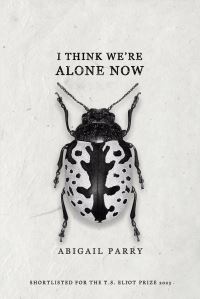
Abigail Parry’s second collection was supposed to be about intimacy: what it might look like in solitude, partnership and collective responsibility. Instead the poems relate to pop music, etymology, surveillance equipment and cervical examination, church architecture and beetles. Anything except what intimacy is or looks like.
-
£14.99
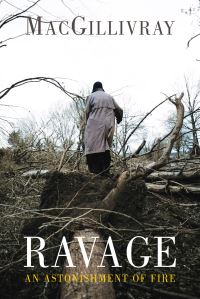
MacGillivray draws together her extensive research into the life and work of Norwegian-Shetlandic poet Kristján Norge, who vanished from the Outer Hebrides in 1961, presenting two previously unpublished poetry manuscripts by Norge, Optik: A History of Ghost and Ravage, and a work of fiction, The Wind of Voices.
-
£14.99
Ground-breaking anthology of poets of colour from The Complete Works, the most successful collective ever formed in British poetry, who have helped to bring about a more diverse and representative publishing landscape. The book includes new poetry by all 30 poets together with highly personal and politically engaged essays by 10 of the writers.
-
£12.99
Nicole Sealey began making erasures from the US Department of Justice’s 2015 report detailing bias policing and court practices in the city of Ferguson, Missouri, three years after the murder of Michael Brown by Ferguson police. She revisits that investigation in an act of erasure that reimagines the entire original text as it strips it away.
-
£10.99
Please Do Not Touch This Exhibit explores disability, storytelling, and the process of mythologising trauma. Jen Campbell writes of Victorian circus and folklore, deep seas and dark forests, discussing her own relationship with hospitals – both as a disabled person, and as an adult reflecting on childhood while going through IVF.
-
£12.99
Hot on the heels of her previous collection Men Who Feed Pigeons, Selima Hill’s Women in Comfortable Shoes is her 21st book of poetry, presenting eleven contrasting but well-fitting sequences of short poems relating to women. Poetry Book Society Recommendation.
-
£10.99
Jane Clarke’s third collection is far-reaching and yet precisely rooted in time and place, exploring how people, landscape and culture shape us. Voices of the past and present show courage in the face of poverty, prejudice, war and exile and everyday losses in what is essentially a book of love poems to our beautiful, fragile world.
-
£14.99
In this long awaited second collection, Matthew Hollis evokes the landscape, language and ecology of the isles of Britain and Ireland to explore how our most intimate moments have resonance in the wider cycle of life. What emerges is a moving meditation on time and the transformative phases of nature.