Showing all 5 resultsSorted by latest
-
£25.00
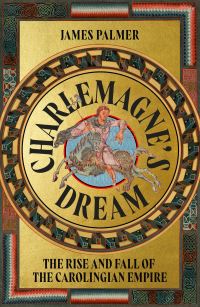
Today, the Carolingians are best known as the dynasty of Charlemagne. In a few remarkable decades spanning the late eighth and early ninth centuries, Charlemagne united much of modern-day Europe through conquest and diplomacy, establishing the continent’s first empire since the fall of Rome. ‘Charlemagne’s Dream’ depicts the entire sweeping arc of the Carolingian dynasty – the men and women who laid the foundations for his achievements, and the colourful heirs who squandered his legacy. They fought and traded with power centres as far-flung as Córdoba, Constantinople, and Baghdad. They gathered scholars and philosophers to drive a cultural and intellectual renaissance. They allied with the pope, forever changing the relationship between church and state. And they dispatched the first missionaries to northern Europe, expanding Christendom’s reach farther than ever imagined.
-
£16.99
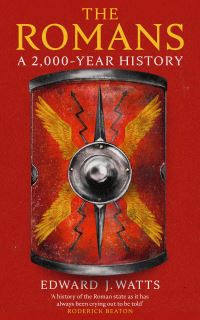
The greatest empire in Western history – told as never been told before. Rome is often remembered for its spectacular collapse. But for over two thousand years – through civil wars, plagues, invasions, and religious upheaval – the Roman state survived, adapted, and reinvented itself. From a muddy settlement on the banks of the Tiber to the glittering court of Constantinople, this is the untold story of a civilisation that endured. Acclaimed historian Edward J. Watts tells a truly complete history of Rome in all its epic sweep: the Punic Wars, the fall of the republic, the coming of Christianity, Alaric’s sack of Rome, the rise of Islam and the onslaught of the Crusaders who would bring about the empire’s end.
-
£25.00
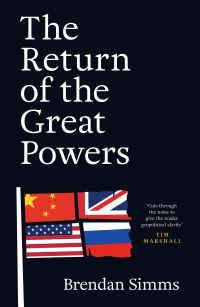
From the dawn of the modern era to the end of the Cold War, global history was defined by rivalries between great powers. In the West, this meant the struggle for supremacy in Europe and the Americas, while in the East, it encompassed those vying for control over the successor states to Genghis Khan’s empire. Between 1989 and the year 2000, great power rivalry temporarily gave way to globalization, with liberal democracy on the march and national chauvinism seemingly in retreat. But events of the past decade have made one thing abundantly clear: the great powers are back. In this work, renowned historian Brendan Simms offers a history of the rise, fall, and return of the great powers in our time. He shows that over the past ten years or so, the major global actors have already resumed making decisions based on geopolitical rather than global economic considerations.
-
£9.99
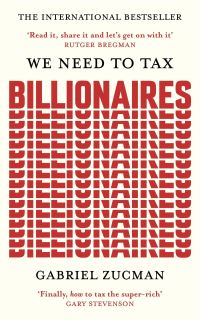
While ordinary citizens pay around half of their income in tax, billionaires pay often close to zero income tax – because they earn almost all their income through companies. The solution is the 2% ‘Zucman tax’: a minimum tax on the ultra-rich themselves, advocated by economist and global expert on the taxation of wealth Gabriel Zucman. We need to tax billionaires, and this book shows us why now is the moment.
-
£12.99
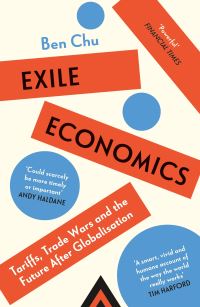
The dangerous race for self-sufficiency has begun. Be warned Nations are turning away from each other. Faith in globalisaton has been fatally undermined by the pandemic, the energy crisis, surging trade frictions and swelling great power rivalry. A new vision is vying to replace what we’ve known for many decades. This vision – ‘Exile Economics’ – entails a rejection of interdependence, a downgrading of multilateral collaboration and a striving for greater national self-sufficiency. The supporters of this new order argue it will establish genuine security, prosperity and peace. But is this promise achievable? Or a seductive delusion? Through the stories of globally traded commodities, economics journalist Ben Chu illustrates the intricate web of interdependence that has come to bind nations together – and underlines the dangers of this new push to isolationism.