Showing 85–96 of 167 resultsSorted by latest
-
£40.00
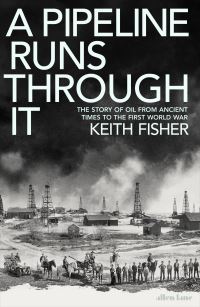
Petroleum has always been used by humans: as an adhesive by Neanderthals, as a waterproofing agent in Noah’s Ark and as a weapon during the Crusades. Its eventual extraction from the Earth in vast quantities transformed light, heat and power. A fresh, comprehensive in-depth look at the social, economic, political and geopolitical forces involved in our transition to the modern oil age, this title tells an extraordinary origin story, from the pre-industrial history of petroleum through to large-scale production in the mid-19th century and the development of a dominant, fully-fledged oil industry by the early 20th century. In an entirely new analysis, the book shows how the British navy’s increasingly desperate dependence on vulnerable foreign sources of oil may have been a catalytic ingredient in the outbreak of WWI. The rise of oil has shaped the modern world, and this is the book to understand it.
-
£16.99
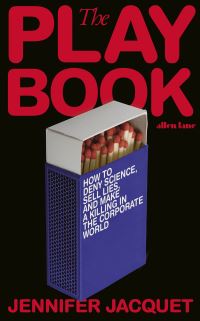
Knowledge is power. Which is why the rich and powerful don’t want you to have it. ‘The Playbook’ is an exposé of the extraordinary lengths that corporations will go to in order to deny the scientific facts – around climate change, public health risks and worker safety – when they don’t suit their agenda. Written in the form of a corporate handbook for tobacco, oil and pharmaceutical company executives, it is a litany of obfuscation techniques, denial, delays and outright lies. Part satire, part social history, part guide to resistance, this is a charge sheet against the powerful.
-
£25.00
Kissinger’s six leaders are Konrad Adenauer, Charles de Gaulle, Richard Nixon, Anwar Sadat, Lee Kuan Yew, and Margaret Thatcher. All of them were formed in a period when established institutions collapsed all over Europe, colonial structures gave way to independent states in Asia and Africa, and a new international order had to be created from the vestiges of the old. Kissinger penetratingly analyses each of these leaders’ careers through the highly individual strategies of statecraft which he presents them as embodying, to show how it is the combination of character and circumstance which creates history. Kissinger’s public experience, personal knowledge and historical perceptions enrich the book with insights and judgements such as only he could make.
-
£30.00
In June 1992 Chris Patten went to Hong Kong as the last British governor, to try to prepare it not (as other British colonies over the decades) for independence, but for handing back in 1997 to the Chinese, from whom most of its territory had been leased 99 years previously. Over the next five years he kept this diary, which describes in detail how Hong Kong was run as a British colony and what happened as the handover approached. The book gives unprecedented insights into negotiating with the Chinese, about how the institutions of democracy in Hong Kong were (belatedly) strengthened and how Patten sought to ensure that a strong degree of self-government would continue after 1997.
-
£20.00
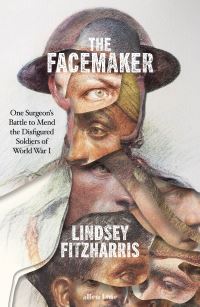
From the moment the first machine gun rang out over the Western Front, one thing was clear: mankind’s military technology had wildly surpassed its medical capabilities. The war caused carnage on an industrial scale, and the nature of trench warfare meant that thousands sustained facial injuries. In ‘The Facemaker’, award-winning historian Lindsey Fitzharris tells the true story of the pioneering plastic surgeon Harold Gillies, who dedicated himself to restoring the faces of a brutalized generation.
-
£20.00
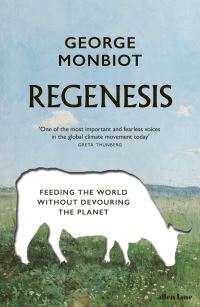
Farming is the world’s greatest cause of environmental destruction – and the one we are least prepared to talk about. We criticise urban sprawl, but farming sprawls across thirty times as much land. We have ploughed, fenced and grazed great tracts of the planet, felling forests, killing wildlife, and poisoning rivers and oceans to feed ourselves. Yet millions still go hungry. Now the food system itself is beginning to falter. But, as George Monbiot shows us in this book, there is another way. ‘Regenesis’ is a breathtaking vision of a new future for food and for humanity.
-
£25.00
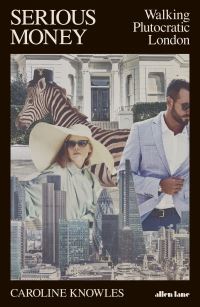
London is a plutocrat’s paradise, with more resident billionaires than New York, Hong Kong or Moscow. Far from trickling down, their wealth is burning up the environment and swallowing up the city. But what do we really know about London’s super rich, and the lives they lead? To find out more about this secretive, security-heavy elite, sociologist Caroline Knowles walks the streets of London from the City to suburban Surrey, via Kensington, Notting Hill, Mayfair and elsewhere. Her walks reveal how the wealthy shape the capital in their image, creating a new world of gated communities and luxury developments. A move behind closed doors takes us ever further into the dark heart of the plutocratic city, from multimillion-pound mansions to high-end hotels and gentlemen’s clubs. Along the way we meet a wide and wickedly entertaining cast of millionaires, billionaires and those who serve them.
-
£25.00
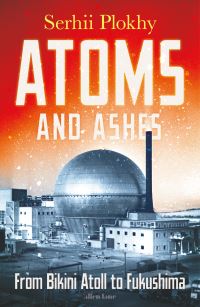
In 2011, a 43-foot-high tsunami crashed into a nuclear power plant in Fukushima, Japan. In the following days, explosions would rip buildings apart, three reactors would go into nuclear meltdown, and the surrounding area would be swamped in radioactive water. It is now considered one of the costliest nuclear disasters ever. But Fukushima was not the first, and it was not the worst. In ‘Atoms and Ashes’, acclaimed historian Serhii Plokhy tells the tale of the six nuclear disasters that shook the world – Bikini Atoll, Kyshtym, Windscale, Three Mile Island, Chernobyl, and Fukushima.
-
£35.00
For millennia much of the world was ruled by emperors: a handful of individuals claimed no limit to the lands they could rule over and no limit to their authority. They operated beyond normal human constraint and indeed often claimed a superhuman or divine authority. As an expert on empires and on Russian history, Lieven is brilliantly qualified to write a book that brings to life a system of rule that dominated most of human history, as well as some of history’s grandest and most dismaying figures.
-
£25.00
Before Bill Gates became an expert on climate science, he was known as one of the few who studied pandemics – how they start, how they spread, how they can be controlled. He warned us years ago in a now-famous TED Talk of their arrival in our future. The future, of course, is now, and now is when we have to plan against a next one. This book is a clear and upbeat plan of what every country, every government leader, and every individual can do in order to help prevent another pandemic, grounded in Bill’s firsthand experience with the Gates Foundation’s commitment to fighting COVID-19.
-
£20.00
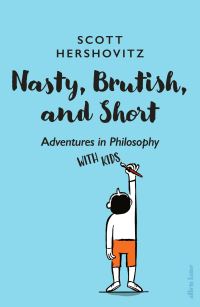
Say ‘philosopher,’ and someone grand, old and bearded might come to mind. But, as philosophy professor Scott Hershovitz shows in this debut, some of the best philosophers in the world are better described as nasty, brutish and short – that is to say, they’re children. Children make wonderful philosophers because they constantly question things that grown-ups take for granted, test theories about the people around them, and try to work out the way the world works. Following the lead of his two young sons, Rex and Hank, Hershovitz takes us on a unique tour through classical and contemporary philosophy, steered by questions like, does Hank have the right to drink Fanta? When is it okay to swear? And, does the number six exist?
-
£20.00
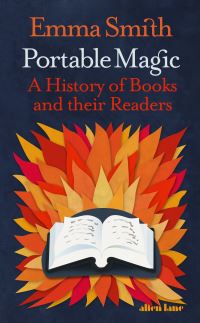
Most of what we say about books is really about their contents: the rosy nostalgic glow for childhood reading, the lifetime companionship of a much-loved novel. But books are things as well as words, objects in our lives as well as worlds in our heads. And just as we crack their spines, loosen their leaves and write in their margins, so they disrupt and disorder us in turn. All books are, as Stephen King put it, ‘a uniquely portable magic’. In this thrilling history, Emma Smith shows us why.